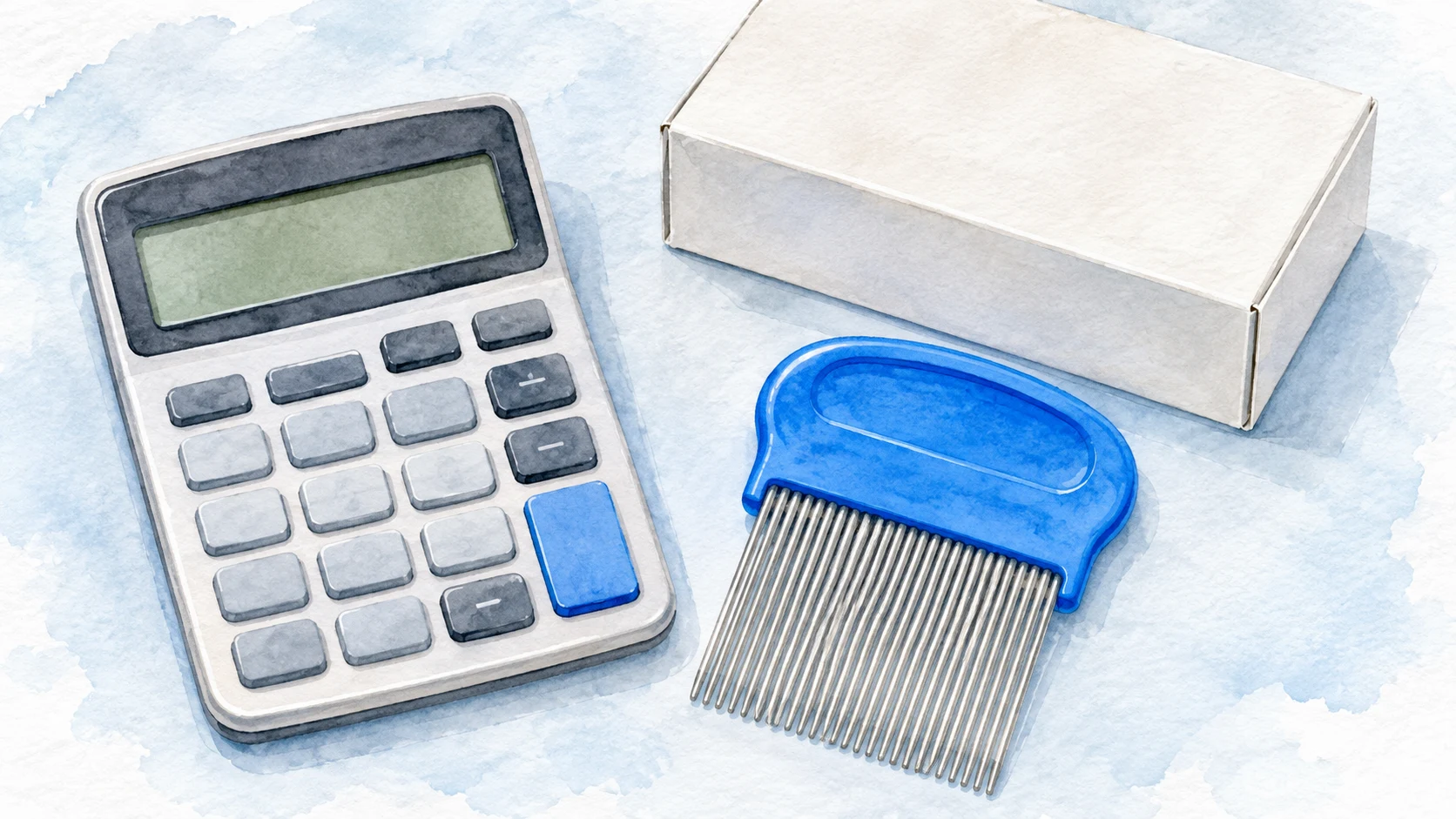
Home head lice treatment can cost around $10 to $35 for an initial over-the-counter product purchase, based on retail examples checked on November 8, 2026. A separate nit comb, additional product for longer hair, or a required repeat application can increase the total. The final expense depends on how many people have confirmed infestations and what their treatment instructions require.
The cheapest bottle on the shelf is not necessarily the cheapest complete treatment. Some packages already include a lice comb, while others sell the treatment and comb separately. Families can also end up buying another package when the original quantity is insufficient or the product instructions call for another application.
We would calculate the cost of the complete treatment course before buying anything. That gives you a more realistic household budget than comparing shampoo prices alone.
What Does Over-the-Counter Head Lice Treatment Cost?
Over-the-counter (OTC) head lice products are available at pharmacies, grocery stores, and major retailers. Their prices vary according to the product, package size, included accessories, and retailer.
The following US retail examples were checked on November 8, 2026. They are advertised prices, not nationwide averages.
| Retailer | Product example | Listed price |
|---|---|---|
| Walgreens | Walgreens Lice Killing Shampoo, 2 oz | $10.99 |
| Walmart | Nix Ultra All-in-One Shampoo, 4 oz, with removal comb | $18.88 |
| Target | Nix Ultra All-in-One Shampoo, 4 oz, with removal comb | $19.29 |
| Target | Nix Lice Scalp Treatment Shampoo, comb and prevention kit, 10 fl oz | $28.99 |
| CVS | Nix Complete Lice Treatment Kit | $34.99 |
The Walgreens lice treatment listings include a store-brand shampoo priced at $10.99. A larger combination package may cost considerably more. For comparison, Walmart’s Nix product listings show an All-in-One treatment kit with a comb for $18.88, while Target’s comparable Nix kit was listed at $19.29.
The difference between those two prices is small, but other packages can cost substantially more. The product’s size and included accessories matter just as much as the amount printed on the price tag.
Retailer prices can change without notice. Store inventory, delivery charges, promotions, and local availability may also affect what you actually pay.
How Much Does a Separate Lice Comb Cost?
A nit comb is a separate expense when your treatment package does not include a suitable comb. These tools have closely spaced teeth that help remove crawling lice and attached nits during examination and combing.
A standalone comb can cost less than a full treatment kit, but prices vary with the material, construction, and design. A Target listing for an Acu-Life lice comb was approximately $12.06 during this price check.
The California head lice treatment checklist recommends a fine-toothed nit comb with long metal teeth for removing lice and nits. A basic wide-toothed hair comb is not an equivalent substitute.
Before buying another comb, check what comes inside your treatment package. For example, the Nix All-in-One product listed above already includes a lice removal comb. Purchasing a second one immediately would add an expense without necessarily improving the treatment.
Comb prices also need to be considered alongside usability. A poorly suited comb may make repeated examination more difficult, particularly with dense or tangled hair. The features to compare when buying a lice comb are more useful than paying extra simply because a product is advertised as professional or electronic.
What Can Make Your At-Home Treatment Bill Increase?
The first purchase is only part of the potential expense. Some families need additional supplies or another package before completing the treatment course.
Hair length and product quantity
Longer hair may require more product to cover the scalp and hair adequately. A single bottle does not necessarily contain enough for every head.
The CDC’s head lice treatment instructions specifically warn that people with shoulder-length hair or longer may need a second bottle. Check the quantity stated on the actual product label rather than assuming every bottle covers the same amount of hair.
This can make the difference between buying one package and buying two. It is particularly relevant when several people in the household need treatment.
Repeat applications
Certain products require another application after the first treatment. Others have different instructions depending on whether they affect unhatched eggs.
The recommended retreatment timing varies according to the specific product. Some labels call for a second application around a week after the first. Others have different directions.
A repeat application may mean buying another package if the remaining product is insufficient or the package is intended for one use. Include this possibility in your budget before assuming the initial purchase covers everything.
Do not apply extra product or repeat an application earlier simply because you want to finish the infestation faster. The label determines the permitted use.
Additional household members
When multiple family members have confirmed infestations, the cost rises because you may need sufficient product for each person.
The CDC’s household treatment guidance recommends checking household members and treating those who are infested, along with people who share a bed with them. Buying a separate package for every person without checking first can create unnecessary expense.
A family with two affected children may need more product than a household with one affected child. Hair length and the amount of product required also influence the total.
Replacing unsuitable supplies
Some families discover that their existing hair comb is not suitable for nit removal. Others need additional clips or detangling supplies to work through the hair comfortably.
You do not necessarily need to purchase an elaborate collection of accessories. Start with the tools required for the chosen method and add anything else only when there is a practical reason.
How Much Does a Complete Home Treatment Budget Look Like?
A few simple examples show how the individual purchases add up.
| Household purchase | Illustrative total |
|---|---|
| One Walgreens lice shampoo | $10.99 |
| One Walmart treatment-and-comb kit | $18.88 |
| One Target treatment-and-comb kit | $19.29 |
| Separate $10.99 shampoo and $12.06 comb | $23.05 |
| Two $18.88 treatment-and-comb kits | $37.76 |
These are arithmetic examples using observed retail prices, not recommended treatment combinations. A second kit is not automatically necessary. Whether another package is needed depends on the instructions, quantity, hair length, and number of people being treated.
The examples also exclude sales tax, shipping, delivery fees, and any items a household already owns. They do not include prescription products or professional services.
For many families, the simplest purchase is a suitable treatment kit that already includes the necessary comb. Buying separate pieces can still make sense when the household already owns a suitable tool or needs a larger comb for repeated use.
Does Wet Combing Cost Less Than Buying Lice Treatment?
Manual removal can reduce the amount spent on medicated products, particularly when you already have suitable hair-care supplies and a fine-toothed comb.
A wet-combing approach generally requires a comb, conditioner or another suitable hair product used as a lubricant, and enough time to work through the hair carefully. The main expense may be the comb and the repeated time spent examining and combing.
The manual removal method using a lice comb requires patience and consistent work. Families choosing this approach should account for the repeated sessions rather than budgeting for one afternoon.
A low initial purchase price also does not mean the method is cost-free. Parents must be able to complete the work thoroughly, and the process can be particularly time-consuming when several people have lice.
The American Academy of Pediatrics discusses manual removal as an option for families who prefer not to use medicated products. However, evidence for its effectiveness is limited, and careful technique with continued monitoring is required.
Is Treating Several Family Members at Home Expensive?
Treating more than one person increases product consumption, but the total does not always rise by exactly the same amount for every family member.
A household may have two people with short hair and one person with long, dense hair. Their product requirements may differ even when everyone is using the same treatment.
Check the package quantity before buying multiple kits. Also establish whether a package contains enough product for one person or more than one application. Retailers may sell family packs, but the actual coverage still depends on the instructions and the amount needed.
Coordinating treatment among people with confirmed infestations can also prevent unnecessary repeat spending. The household head lice treatment approach helps families plan around multiple affected people rather than buying products without checking everyone first.
Do not automatically medicate unaffected children or adults just because someone else in the household has lice. Check first and follow the applicable product or healthcare guidance.
How Much Do Household Cleaning Supplies Add to the Cost?
Families sometimes add furniture sprays, room foggers, special laundry detergents, and other products to their shopping carts after finding head lice.
Most of those purchases are unnecessary. Head lice live primarily on the human scalp, and environmental pesticide sprays are not a substitute for treating an active infestation.
The CDC’s head lice treatment guidance explains that additional environmental measures are usually unnecessary and warns against fumigant sprays and fogs because of their potential toxicity.
Ordinary household supplies are generally sufficient for the limited cleaning recommended after an infestation. There is no reason to buy a separate collection of insecticides for the furniture or bedrooms.
Keeping this expense out of your budget can make a meaningful difference. Spend your money on confirmed treatment needs rather than products that do not address the infestation on your child’s head.
When Does Paying for Professional Removal Make More Financial Sense?
Home treatment usually has the lower initial cash cost because you purchase the supplies and perform the work yourself. Professional removal charges for someone else to carry out the examination and manual combing.
The financial comparison changes when several people need extensive combing or a parent cannot complete the work consistently. Multiple product purchases and repeated attempts can also narrow the difference between home and professional expenses.
Families should compare the complete household cost rather than one bottle against a professional appointment. Include the required treatment products, combs, repeat purchases, and the time needed to finish the home process.
The published costs of professional head lice removal provide a separate basis for comparing service prices and package inclusions. A professional appointment may cost more upfront, but it can be worth considering when the family cannot manage the removal process alone.
A Practical Way to Keep Head Lice Treatment Costs Under Control
The best way to avoid unnecessary spending is to confirm an active infestation before purchasing products. Then check the label, calculate how much product is needed, and identify whether the package already includes a suitable comb.
Budget for any required repeat application, but do not buy extra medication without checking the instructions. If several household members are affected, assess their individual needs before purchasing multiple packages.
A reasonable home-treatment budget should cover the actual treatment course rather than every product advertised for lice. Buying the correct supplies once, in the quantities the instructions require, is a better starting point than collecting several different kits and hoping one of them solves the problem.