
Cockroaches can be repelled by certain plant-derived odors, but the evidence is uneven. Catnip compounds, some essential oils, and several isolated plant chemicals have produced measurable avoidance in laboratory experiments. […]
Does Heat or Cold Kill Cockroaches?
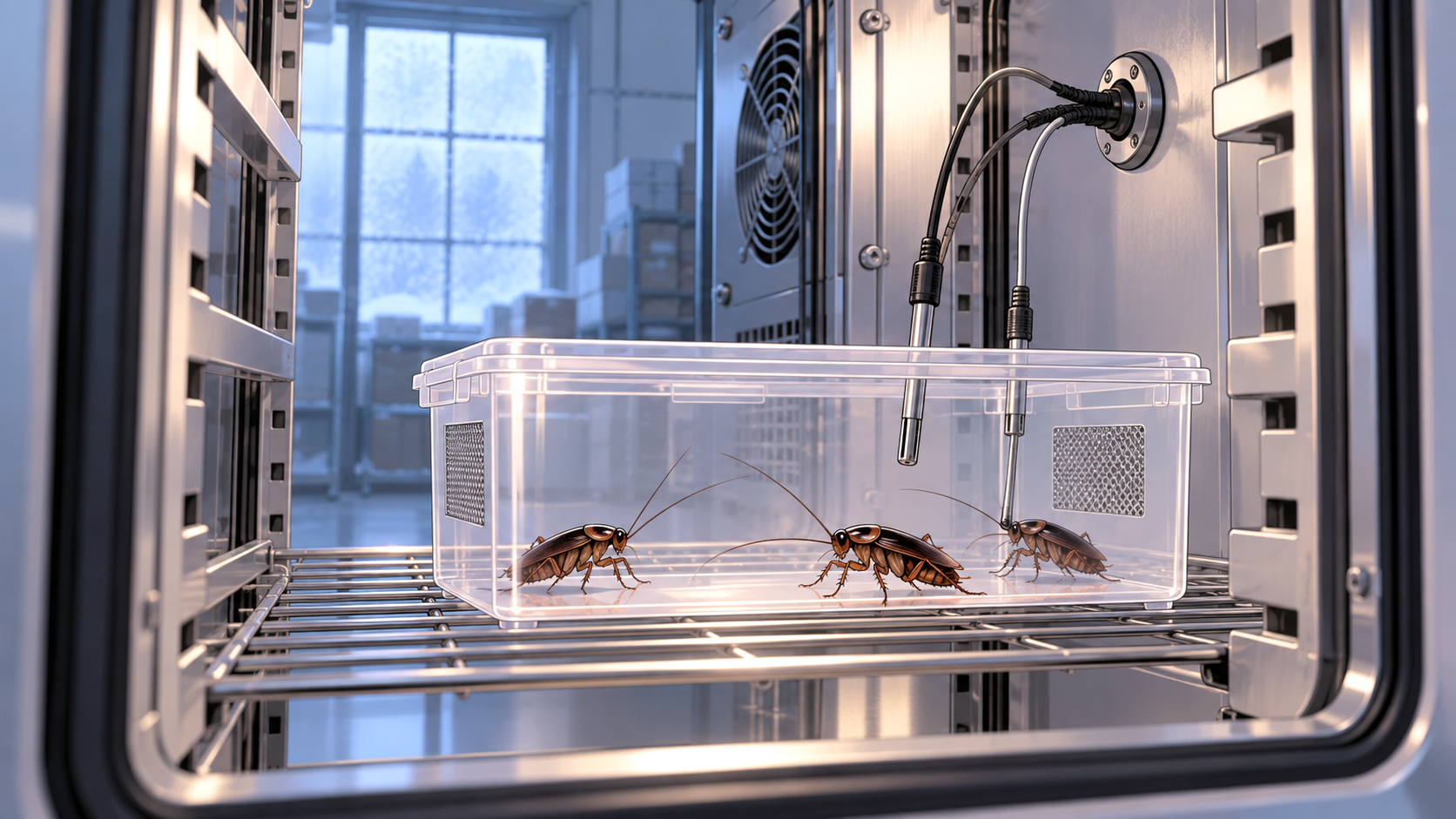
Both extreme heat and sustained freezing can kill cockroaches. For German cockroaches, laboratory data show complete adult mortality after 120 minutes at 44°C (111°F), with much faster mortality as temperatures […]
Best Cockroach Sprays and Killers
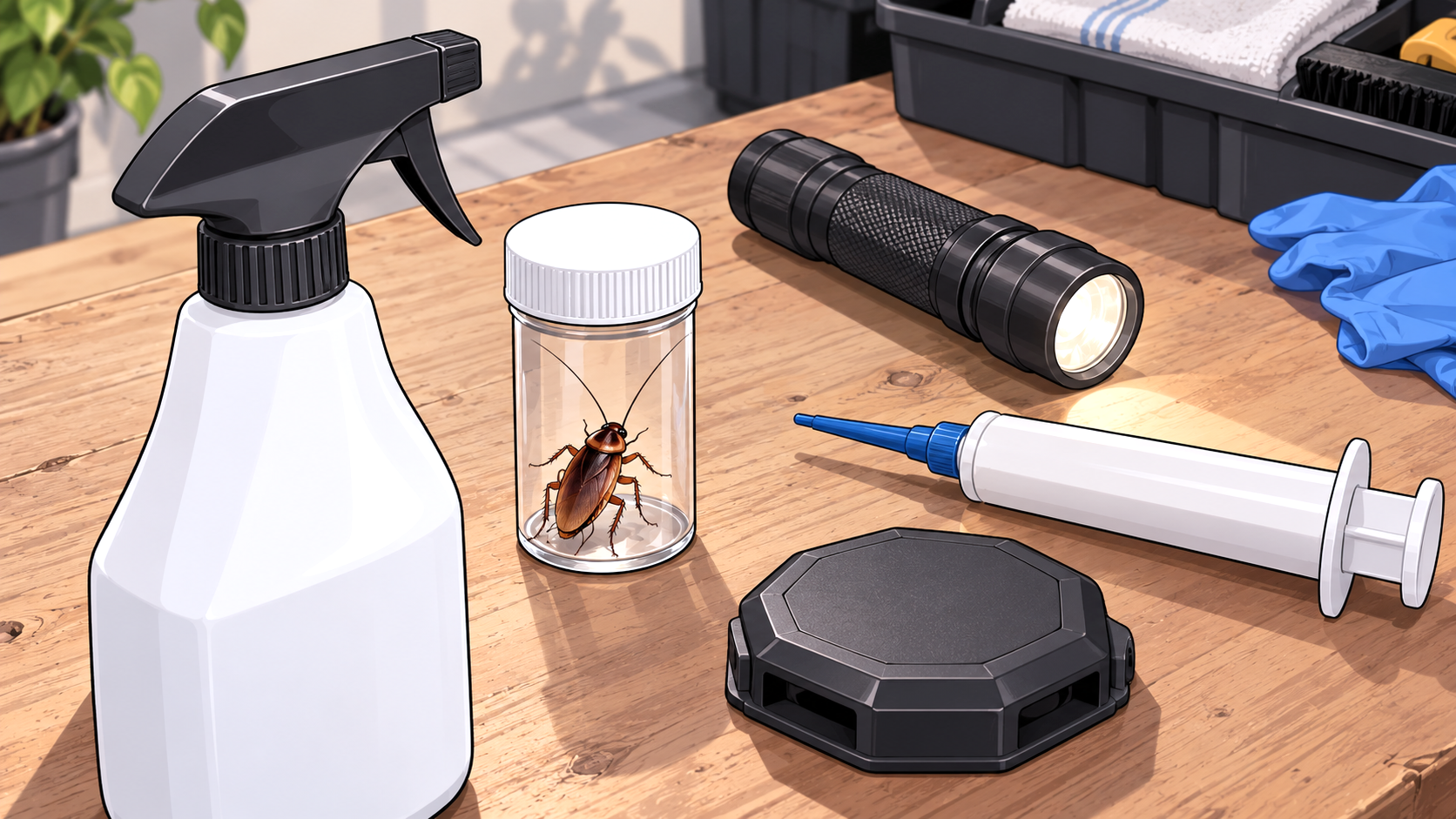
The best cockroach killer depends on where the insects are hiding and which species you have, but for established indoor German cockroach infestations, gel baits with active ingredients such as […]
Does Bleach Kill Cockroaches?
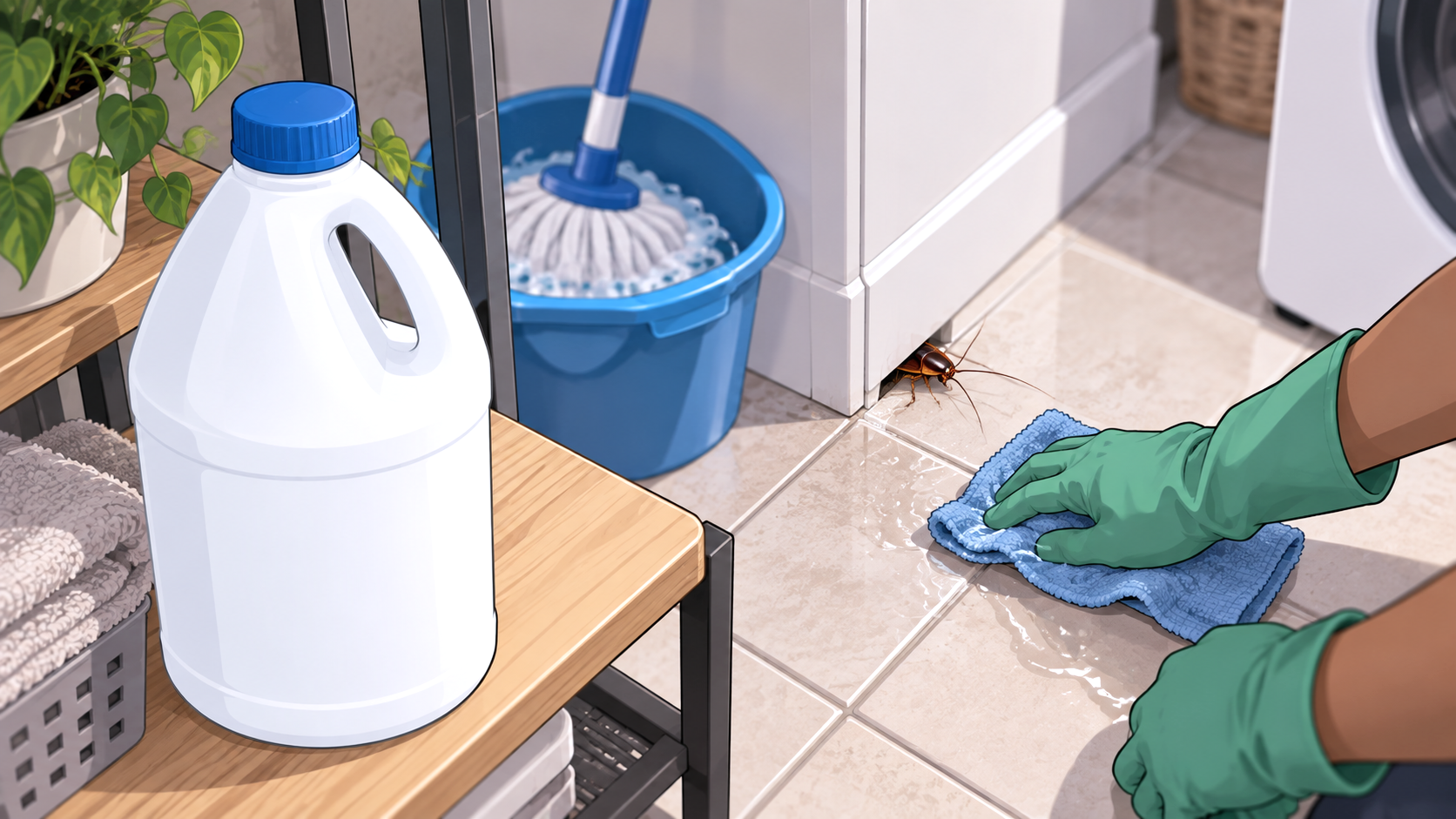
Bleach is harsh enough that sufficiently intense direct exposure can injure or kill many small organisms, but that does not make ordinary household bleach a dependable cockroach treatment. A cockroach […]

Best Pet-Safe Cockroach Killers: What to Look For
The safest cockroach-control setup around pets is usually one that minimizes the animal’s access to the pesticide. Secure bait stations and carefully placed gel bait can provide low-exposure options when […]
Do Bug Bombs or Foggers Work on Cockroaches?
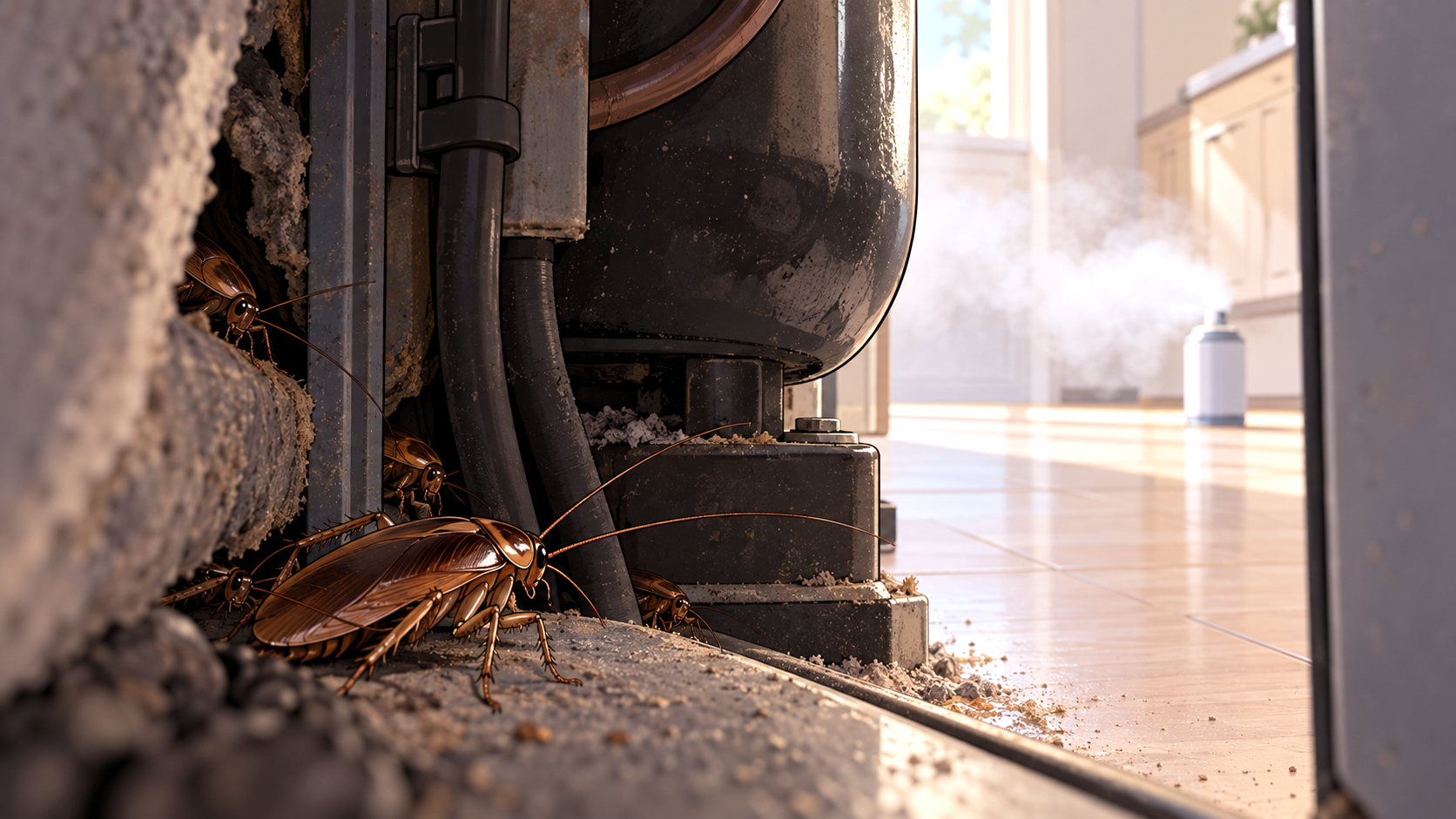
Bug bombs can kill cockroaches that receive enough insecticide exposure, but they are a poor choice for controlling an established German cockroach infestation. In occupied apartments, total-release foggers failed to […]

How Does Cockroach Bait and Gel Work?
Cockroach bait works by combining food ingredients with a small amount of insecticide. A cockroach finds the bait, feeds on it, and ingests the active ingredient. Gel makes that bait […]

Best Firebrat Killers and Traps
The best firebrat product depends on what you need it to do. D-Fense Dust is our strongest pick for treating cracks and other concealed firebrat harborages, Cy-Kick CS makes more […]

What Eats Firebrats? What Are Their Natural Predators?
Firebrats are prey for several small predators that share buildings with them, most notably house centipedes, spiders, and earwigs. These predators can catch firebrats when the insects leave their hiding […]
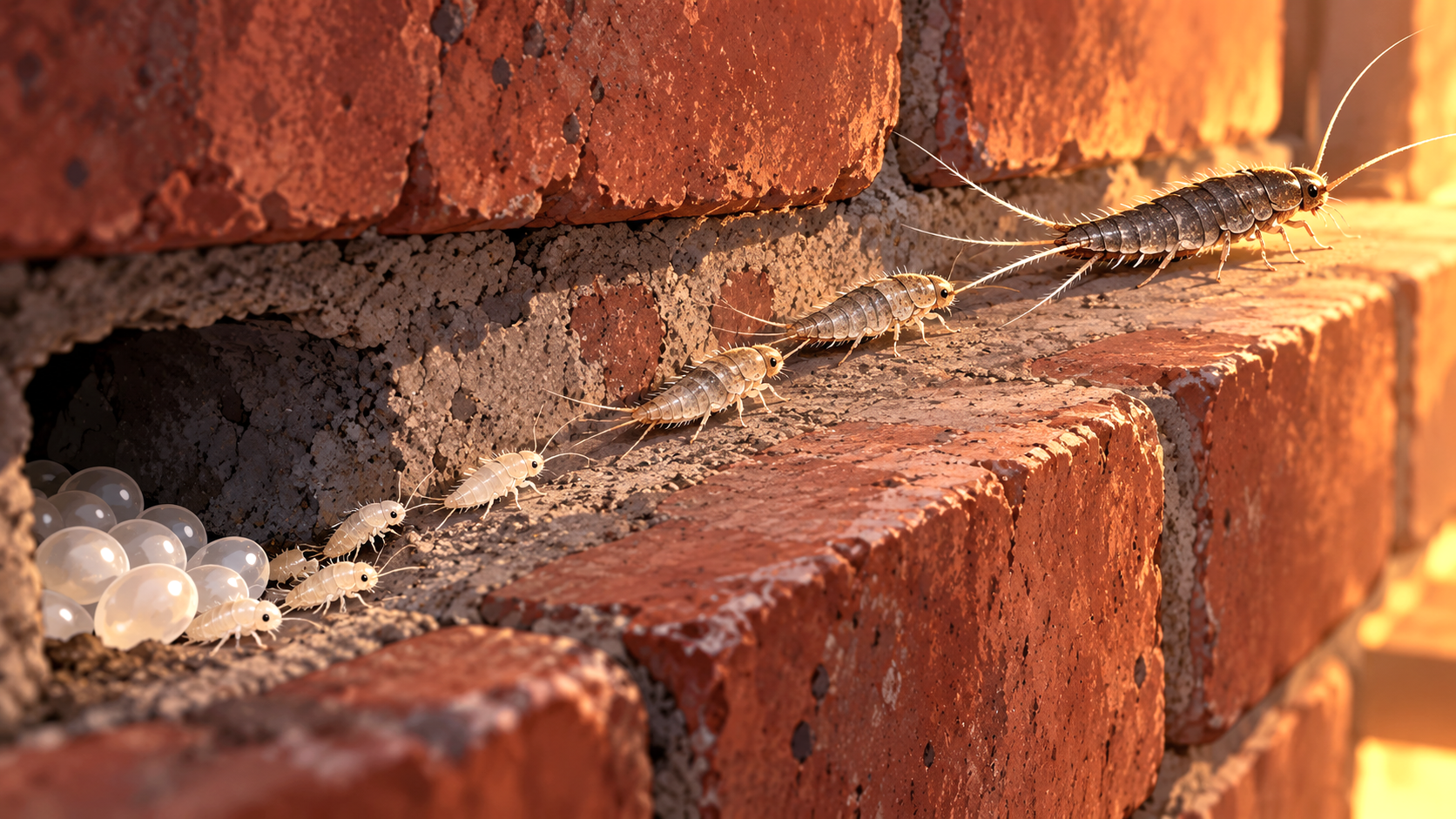
Firebrat Life Cycle: From Egg to Adult
The firebrat life cycle moves from egg to nymph to adult, without the larval or pupal stages seen in insects such as beetles, moths, and flies. A newly hatched firebrat […]