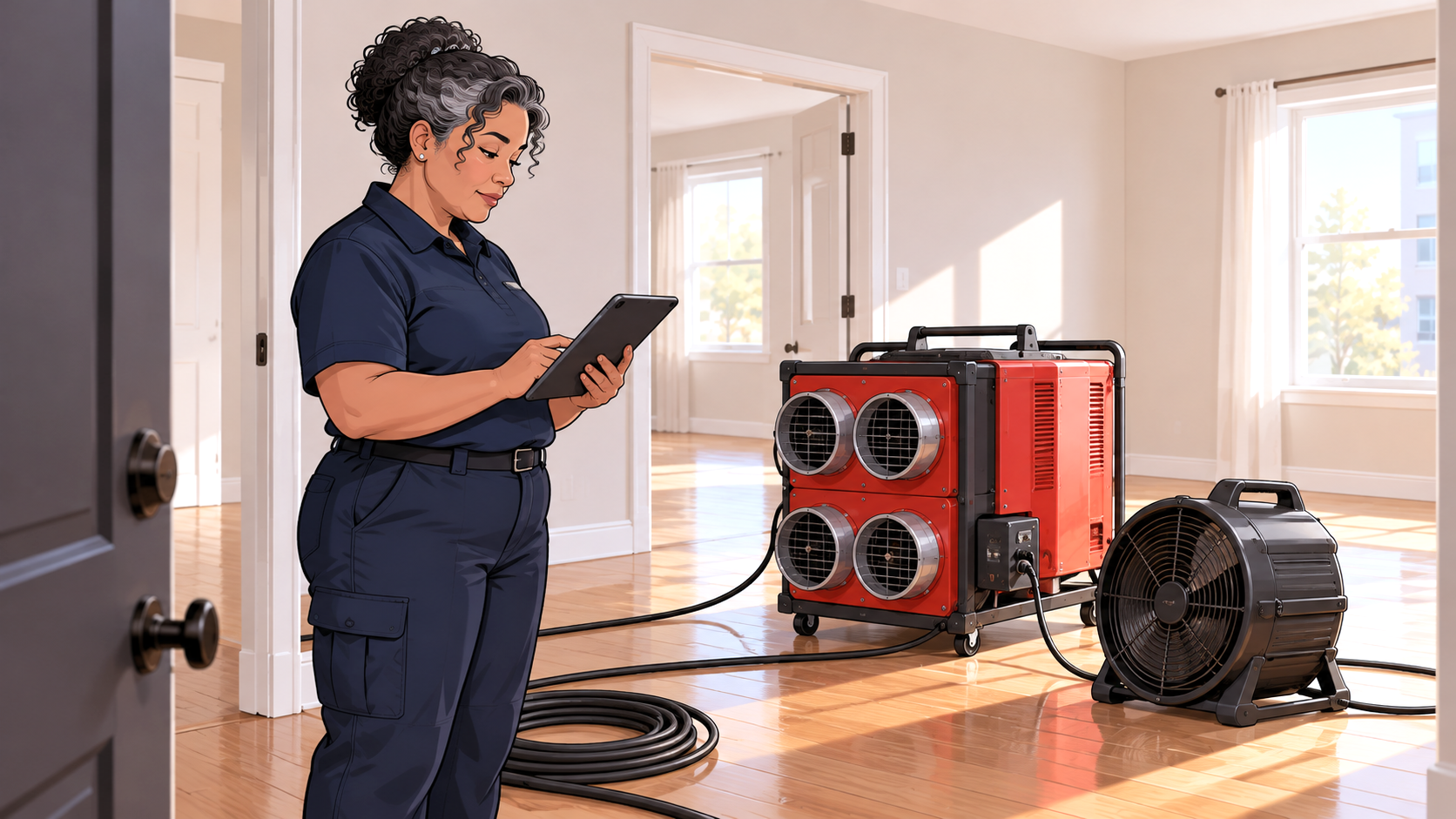
Professional bed bug heat treatment in the U.S. commonly costs about $1 to $3 per square foot. Using that range, treating 1,000 square feet may cost roughly $1,000 to $3,000, while 2,000 square feet may run about $2,000 to $6,000. Actual quotes can differ substantially because contractors may charge by square footage, room, treatment zone, or complete job rather than using one national pricing formula.
Bed Bug Heat Treatment Cost by Home Size
Current national consumer pricing places professional heat treatment near $1 to $3 per square foot. HomeGuide reports the same range and estimates about $2,000 to $6,000 for heat remediation in a 2,000-square-foot home. Applying the per-square-foot range gives the following useful budgeting figures, although they should not be treated as quotes.
| Treatment Area | Approximate Heat-Treatment Cost |
|---|---|
| 500 sq. ft. | $500–$1,500 |
| 1,000 sq. ft. | $1,000–$3,000 |
| 1,500 sq. ft. | $1,500–$4,500 |
| 2,000 sq. ft. | $2,000–$6,000 |
| 2,500 sq. ft. | $2,500–$7,500 |
| 3,000 sq. ft. | $3,000–$9,000 |
Small jobs do not always scale cleanly from this table. Equipment transport, setup, temperature sensors, heaters, fans, technician time, and monitoring create fixed costs even when only one bedroom needs treatment. Some companies therefore impose a minimum charge or quote a flat room rate. Fixr places professional heat at approximately $100 to $500 per room or $1 to $3 per square foot, while other providers quote substantially higher room minimums depending on market and service scope. A whole-property estimate should be compared with the broader cost of professional bed bug extermination rather than assuming heat will always be the most expensive method.
The Heated Area Has More Influence on Price Than the Number of Bugs You Can See
Heating an entire structure requires enough equipment to raise temperatures throughout the treatment envelope, circulate hot air around furniture, and maintain lethal conditions in cooler locations. A lightly infested 2,500-square-foot house can therefore cost more to heat than a heavily infested bedroom if the entire house is included in the treatment. Conversely, evidence that bed bugs are confined to one room may allow a company to propose a smaller treatment zone, provided its inspection supports that decision.
Infestation extent still affects the quote because widespread activity can increase inspection time, preparation, furniture manipulation, sensor placement, and the number of areas requiring treatment. A technician may also recommend treating connected rooms when insects have moved beyond the original sleeping area. Bed bugs occupying wall voids, neighboring bedrooms, couches, or other furnishings help explain why eradication becomes more difficult as an infestation spreads, and a larger treatment envelope directly increases heater capacity, labor, and operating time.
Property layout can push two homes with identical floor areas into different price brackets. High ceilings increase air volume, concrete and masonry can absorb large amounts of heat, crowded rooms restrict airflow, and multi-level buildings require more equipment placement than open single-story spaces. These variables are among the reasons a site inspection is more useful than multiplying total house size by a published national average.
Professional Heat Costs More Than Turning Up the Temperature
Whole-room thermal remediation is not ordinary space heating. Technicians use specialized heaters, high-volume fans, temperature probes, and continuous monitoring to make sure lethal heat penetrates mattresses, furniture, clothing, cracks, and other locations where bugs can be insulated from the surrounding air. Research on commercial heat conditions found that adult bed bugs reached 99% mortality near 48.3°C (118.9°F), while eggs required approximately 54.8°C (130.6°F) under the tested heating conditions. The time required also changed sharply with temperature, making temperature monitoring throughout the treatment area essential.
Dense possessions heat more slowly than open air. More recent experiments found that bugs underneath mattresses, blankets, furniture, and fabric could require considerably longer exposure than uncovered insects, with insulating materials delaying lethal heat penetration. Professional guidance therefore emphasizes measuring temperatures inside difficult locations rather than relying on the thermostat or a single room sensor. The University of Minnesota recommends monitoring core temperatures with thermocouples and using equipment specifically designed for insect control.
Equipment, electrical or fuel demand, technician hours, sensors, setup, furniture movement, and the need to manage cooler pockets all contribute to why professional bed bug work can become expensive. A quote that simply promises to make the house hot without explaining temperature monitoring deserves scrutiny.
Preparation Can Change the Final Bill
A heat-treatment company normally provides a preparation sheet before the appointment. Aerosol cans, pressurized containers, candles, wax products, medications, plants, certain electronics, musical instruments, artwork, and other heat-sensitive possessions may need to be removed or handled separately. Excessive clutter may have to be reorganized so heated air can circulate rather than leaving insulated pockets.
Preparation requirements differ among companies, so moving everything out of an infested room without instructions can make control harder by spreading bugs. EPA advises keeping potentially infested material within the treatment area unless it can be contained and treated safely, and notes that proper preparation can reduce both treatment difficulty and control costs. Following the company’s specific preparation steps for professional bed bug extermination also reduces the chance of a treatment being delayed because technicians cannot safely begin.
Ask whether preparation assistance is included in the quoted amount. Heavy furniture moving, clutter removal, laundering, bagging, disposal, or a return visit after failed preparation may be charged separately. The cheapest written estimate can become the more expensive option if another contractor’s price already includes work that appears later as add-on charges.
Ask What the Heat-Treatment Quote Actually Includes
A useful written quote should define the exact rooms or square footage being heated, the preparation required, how temperatures will be monitored, how long the service is expected to occupy the property, what items need alternative treatment, and whether inspection or follow-up is included. EPA recommends hiring a professional experienced with bed bugs and preparing for the possibility that effective professional control may involve more than one visit.
Some companies sell heat as a one-day stand-alone treatment. Others combine thermal remediation with residual insecticides or desiccant dust in cracks and adjoining areas. Those programs should not be compared on price alone because they are providing different services. The broader concept of bed bug remediation can include inspection, preparation, treatment, monitoring, and corrective work rather than a single extermination event.
Also ask whether the quoted price includes the initial inspection and post-treatment inspection. Current consumer cost data places a separate initial bed bug inspection around $75 to $200 and a later inspection around $75 to $225 in markets where those services are billed separately. If the contractor includes them at no additional charge, the headline heat-treatment price may compare more favorably with a cheaper estimate that bills every visit individually.
Heat Treatment Can Save Repeat Treatment Costs, but It Has No Residual Effect
A properly executed heat treatment can expose adults, nymphs, and eggs to lethal temperatures during the same service, which is one reason it can sometimes reduce the number of treatment visits compared with pesticide-only programs. Localized experimental heat treatments have produced complete mortality when heat was adequately contained and circulated, with treatment periods ranging from roughly two to seven hours in controlled room-content tests. The time spent at the property can be longer because setup, heating, monitoring, cooling, and equipment removal all occur around the lethal exposure period, so the total length of professional bed bug treatment should be confirmed with the contractor.
Heat stops working as soon as the property cools. EPA specifically notes that whole-residence heat leaves no residual protection, so a bug introduced after the appointment is unaffected. An insect that remained in an untreated neighboring unit or escaped the treatment envelope can also restart activity. Some companies therefore combine heat with monitoring or a residual pesticide treatment around appropriate sites.
A guarantee should spell out what happens if bed bugs are discovered again. Ask how long the warranty lasts, what evidence is required, whether a return inspection is free, and whether retreatment is included. The practical measure of success is the absence of continuing activity during subsequent monitoring, not merely completing the heat appointment, and confirming that bed bug treatment worked requires follow-up evidence.