
There is no recognized appearance for a firebrat bite mark. Reliable entomology references describe firebrats as harmless to people and specifically state that they do not bite. Therefore, a red […]

What Causes Firebrats to Get Into a House?
Firebrats can get into a house through openings in the structure, by moving through connected wall and floor spaces, or by being carried inside with building materials and other items. […]

How to Get Rid of Firebrats in Your Home
To get rid of firebrats, find where they are concentrated, remove accessible food and water, reduce excessively hot hiding places where practical, seal movement routes, and monitor the remaining population […]

Are Firebrats Dangerous?
Firebrats are not considered dangerous to people. They are not poisonous or venomous, they do not sting, and authoritative pest references do not identify them as disease vectors. Health Canada […]
Where Do Firebrats Come From?
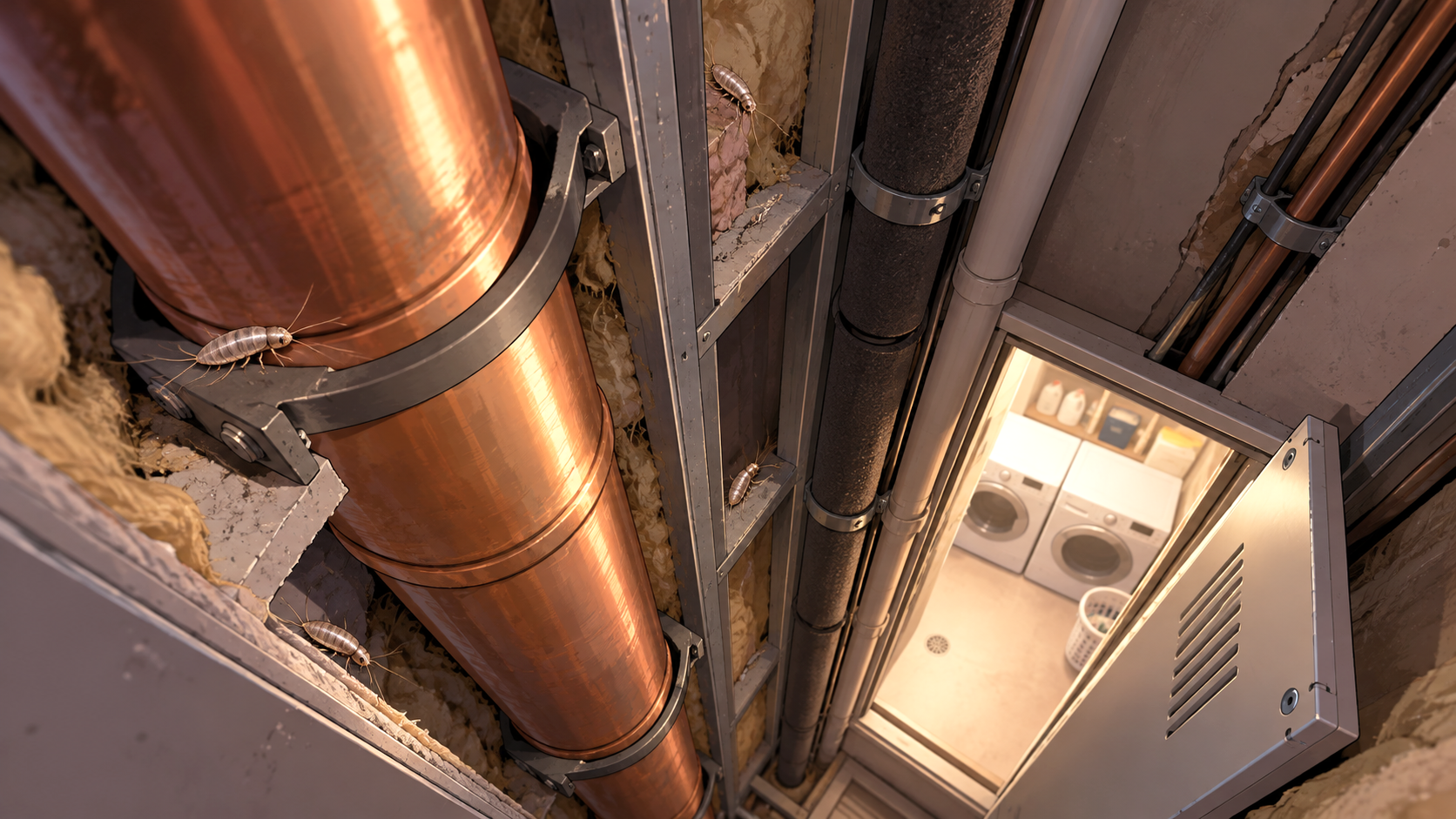
Firebrats (Thermobia domestica) are now found around the world, particularly in warm environments associated with buildings. Rather than belonging to one easily defined modern geographic region, the species has become […]

What Do Firebrat Eggs and Nymphs Look Like?
Firebrat eggs are extremely small, measuring about 1/25 inch long, while newly hatched nymphs are only about 1/16 inch long. Young nymphs initially look quite different from the mottled adults […]

When Should You Call an Exterminator for Firebrats?
You should consider calling an exterminator for firebrats when the infestation is large, keeps returning after sensible DIY control, or appears to be coming from concealed areas you cannot reach. […]
Do Firebrats Bite?
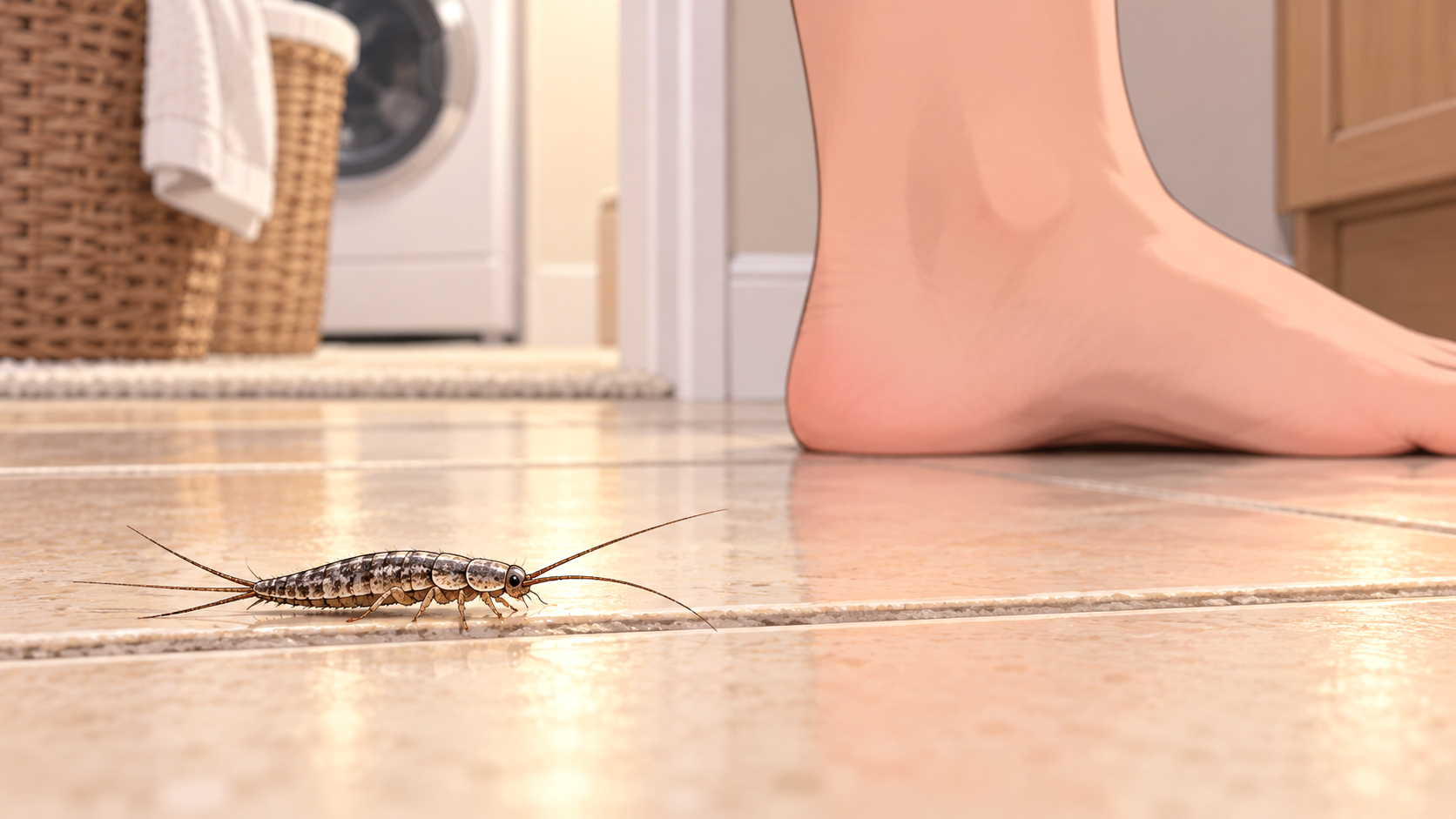
Firebrats do not normally bite people. They have chewing mouthparts, but their jaws are weak and adapted to scraping or removing tiny particles from the materials they eat rather than […]