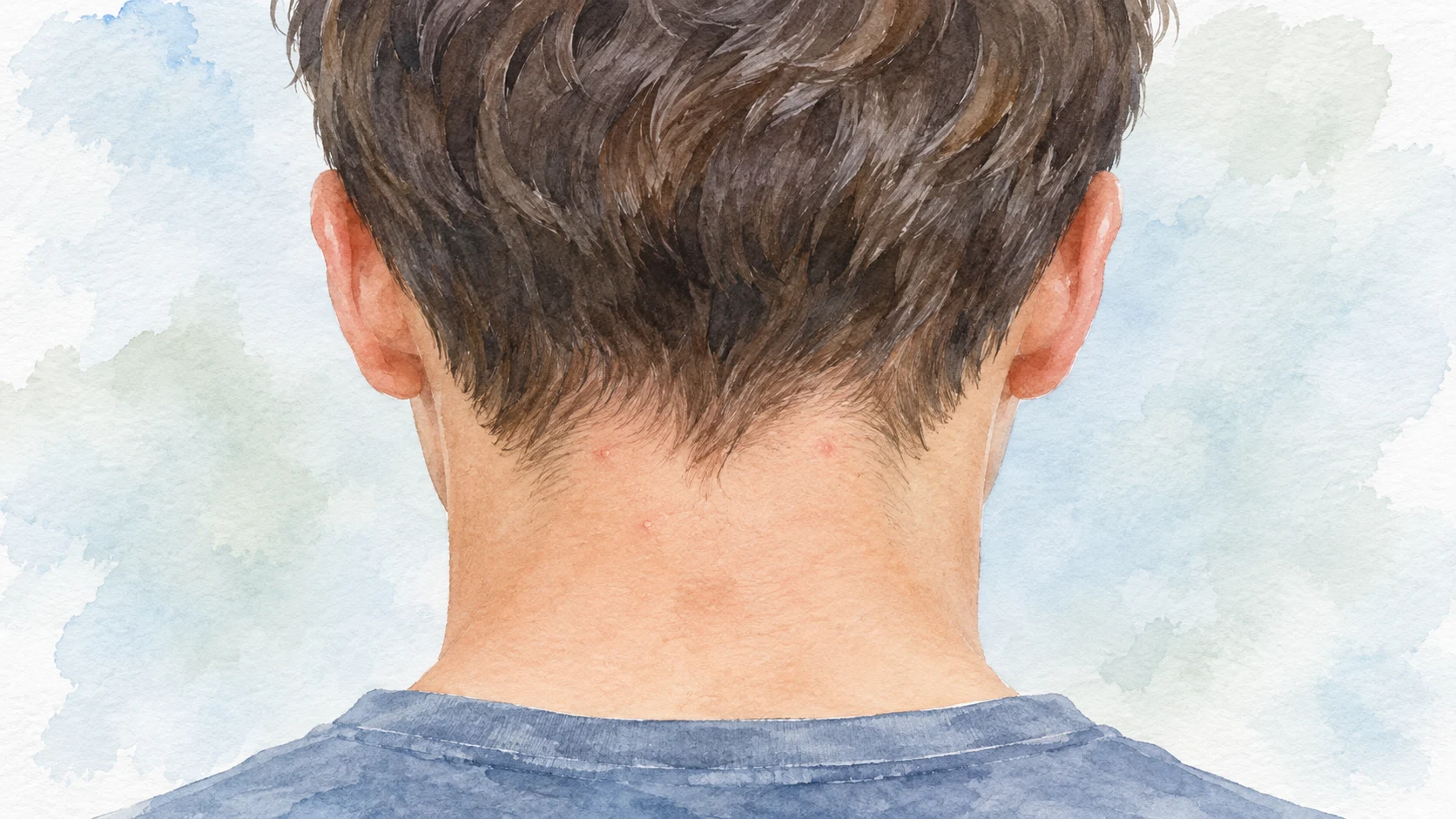
Head lice bites can appear as tiny red, pink, or darker irritated spots on the scalp, sometimes with small raised bumps. They may be difficult to see beneath the hair, […]

Can You See Head Lice With the Naked Eye?
Head lice are visible to the naked eye, including adults and young lice called nymphs. You do not need a microscope to see them. However, spotting a living head louse […]
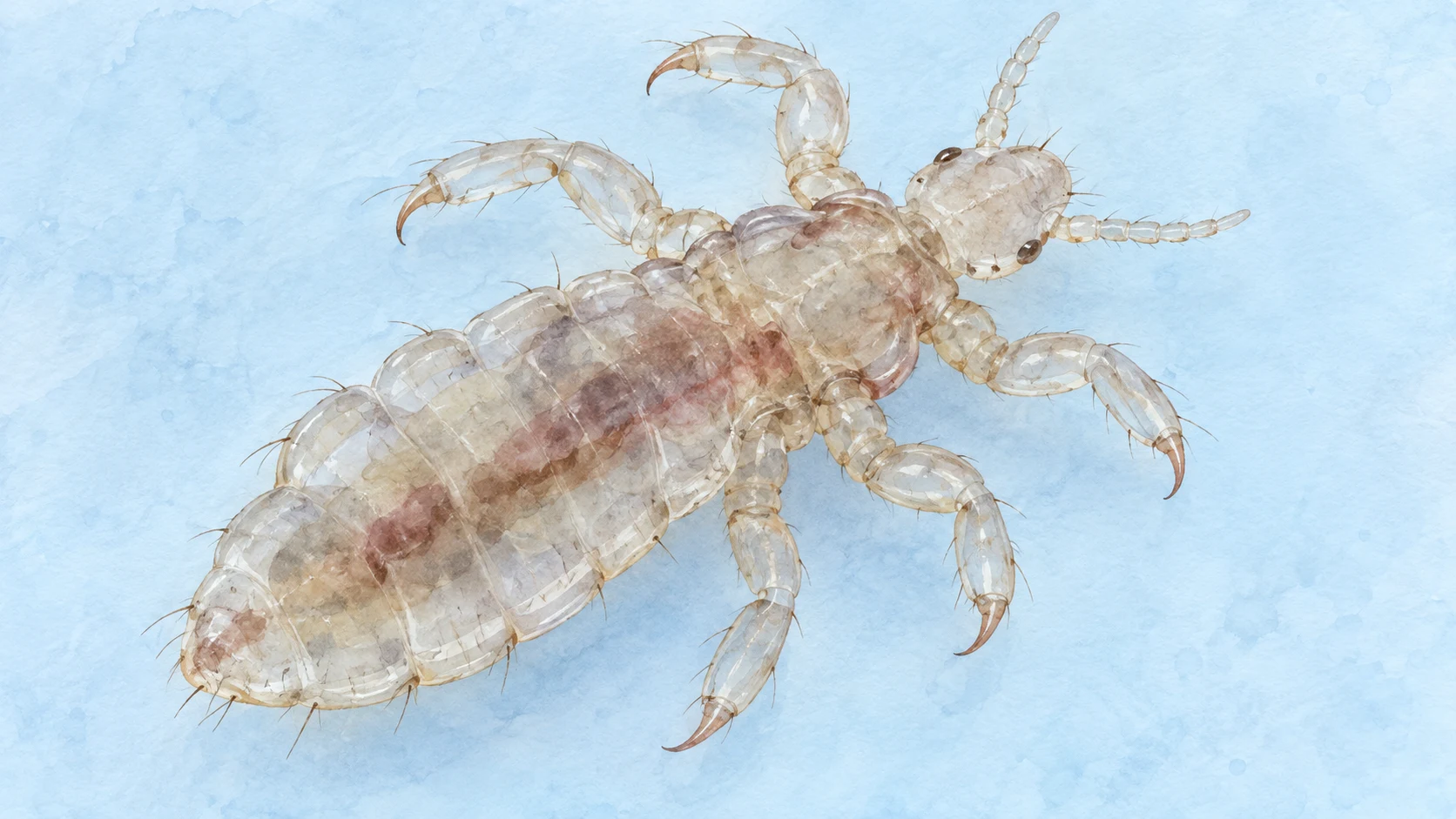
What Do Head Lice Look Like?
Head lice are tiny, wingless insects with flattened, elongated bodies, six short legs, and claws that grip human hair. Adult head lice are approximately the size of a sesame seed, […]

What Are Head Lice?
Head lice are tiny, blood-feeding insects that live on human scalps and depend on people for survival. Their scientific name is Pediculus humanus capitis, and they are parasites because they […]
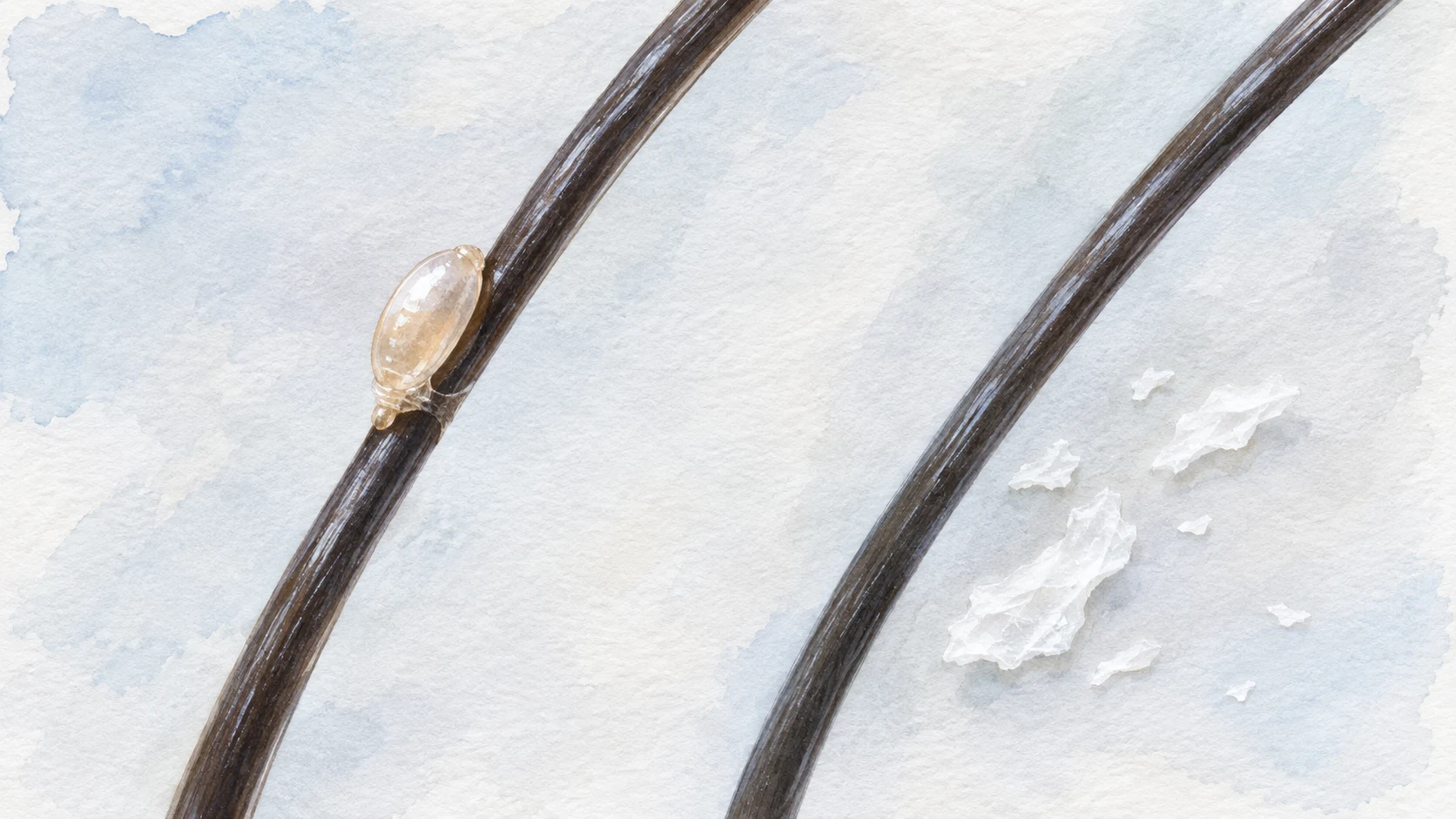
Head Lice vs. Dandruff: How to Tell the Difference
The easiest way to tell head lice nits from dandruff is to look at how the white or yellowish specks behave on the hair. Nits are firmly attached to individual […]
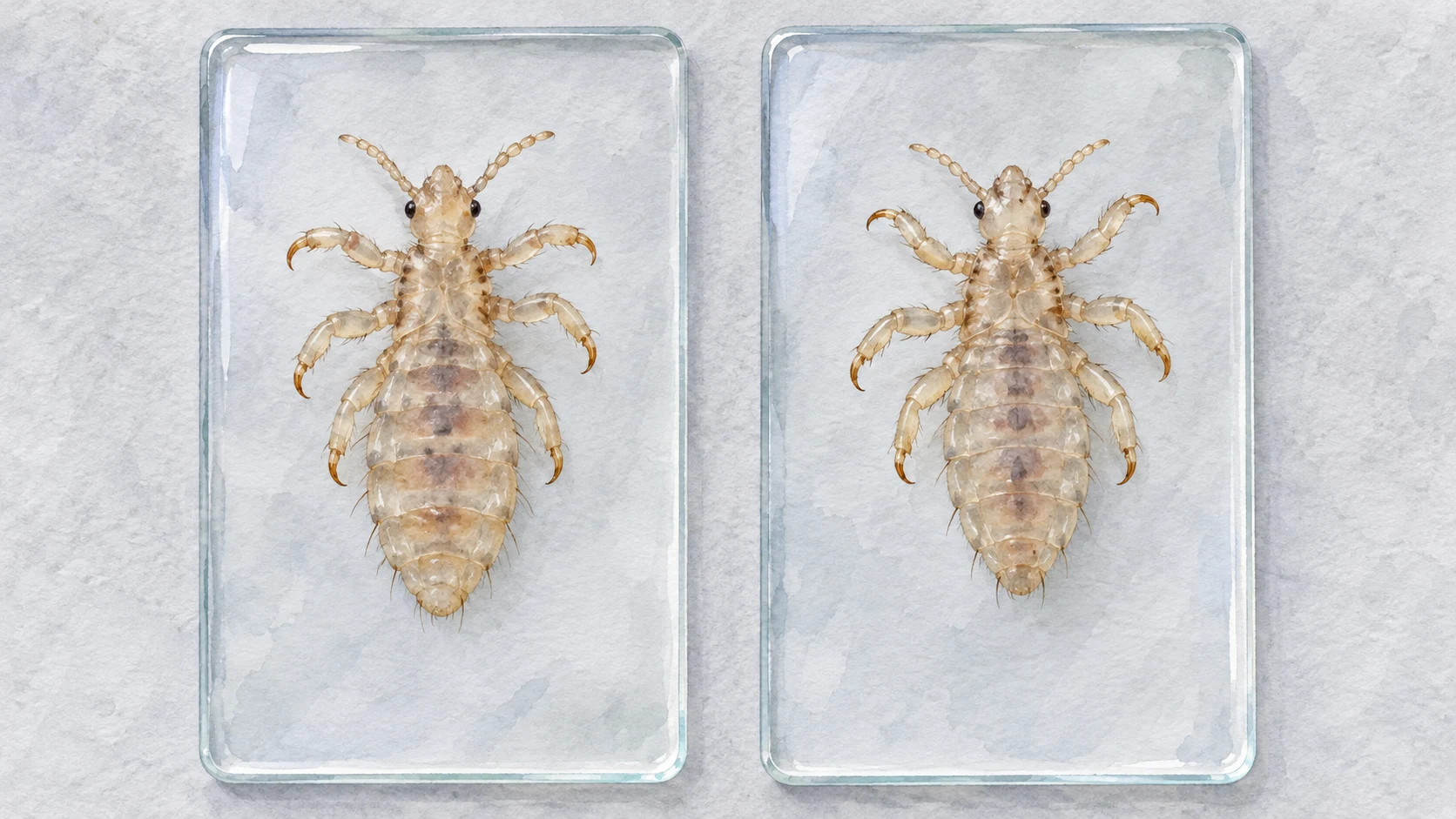
Male vs. Female Head Lice: Can You Tell Them Apart?
Male and female head lice can be told apart, but their differences are usually too small to recognize with the naked eye. Female head lice are generally larger, with broader […]
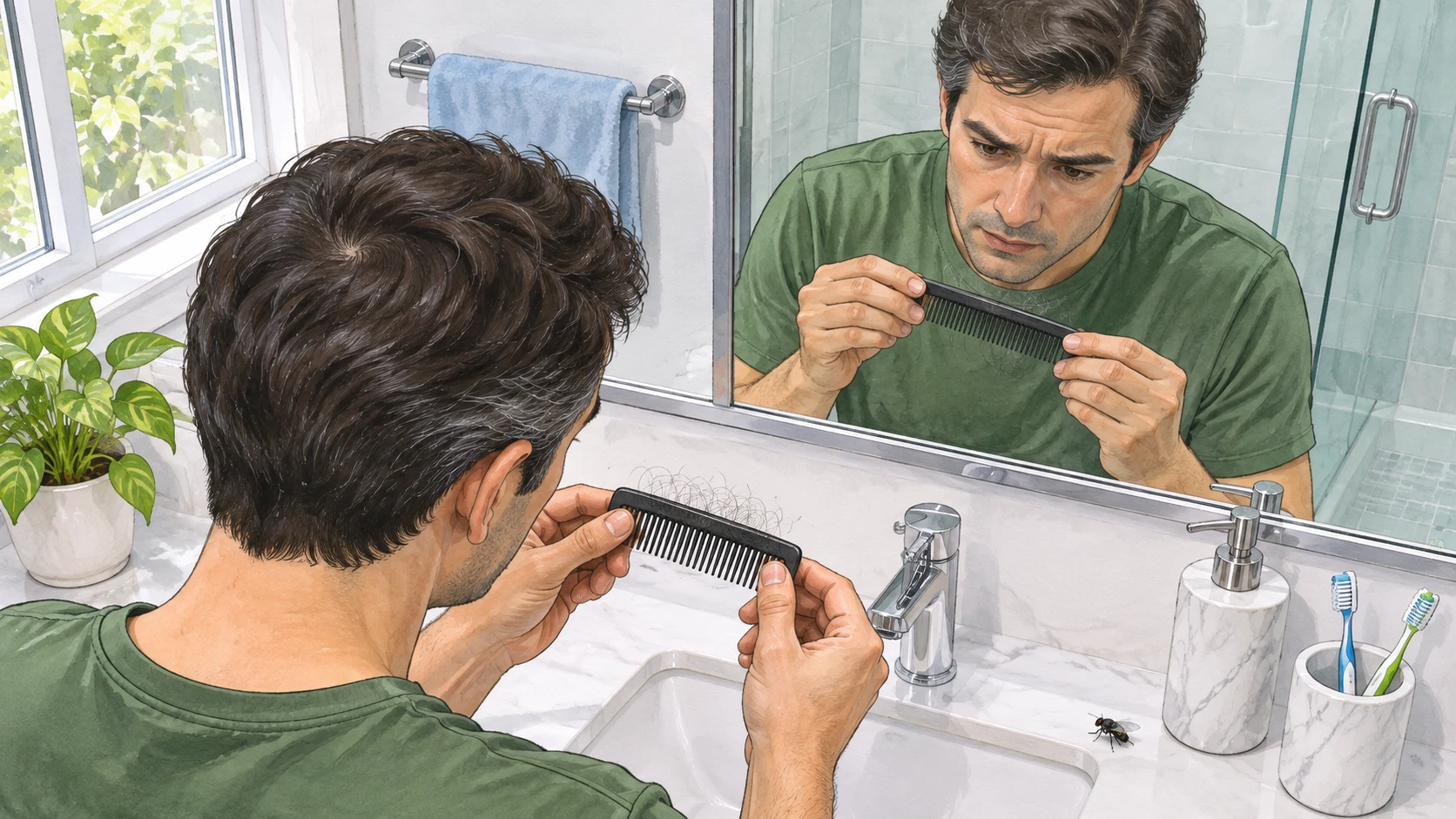
Can Head Lice Cause Hair Loss?
Head lice can be associated with hair loss, but this is uncommon and usually occurs indirectly. Persistent itching can lead to repeated scratching or pulling at the hair, which may […]

Does Mayonnaise or Olive Oil Kill Head Lice?
Mayonnaise and olive oil have not been proven to kill head lice reliably. Although both are commonly recommended as home remedies for smothering lice, there is insufficient scientific evidence that […]
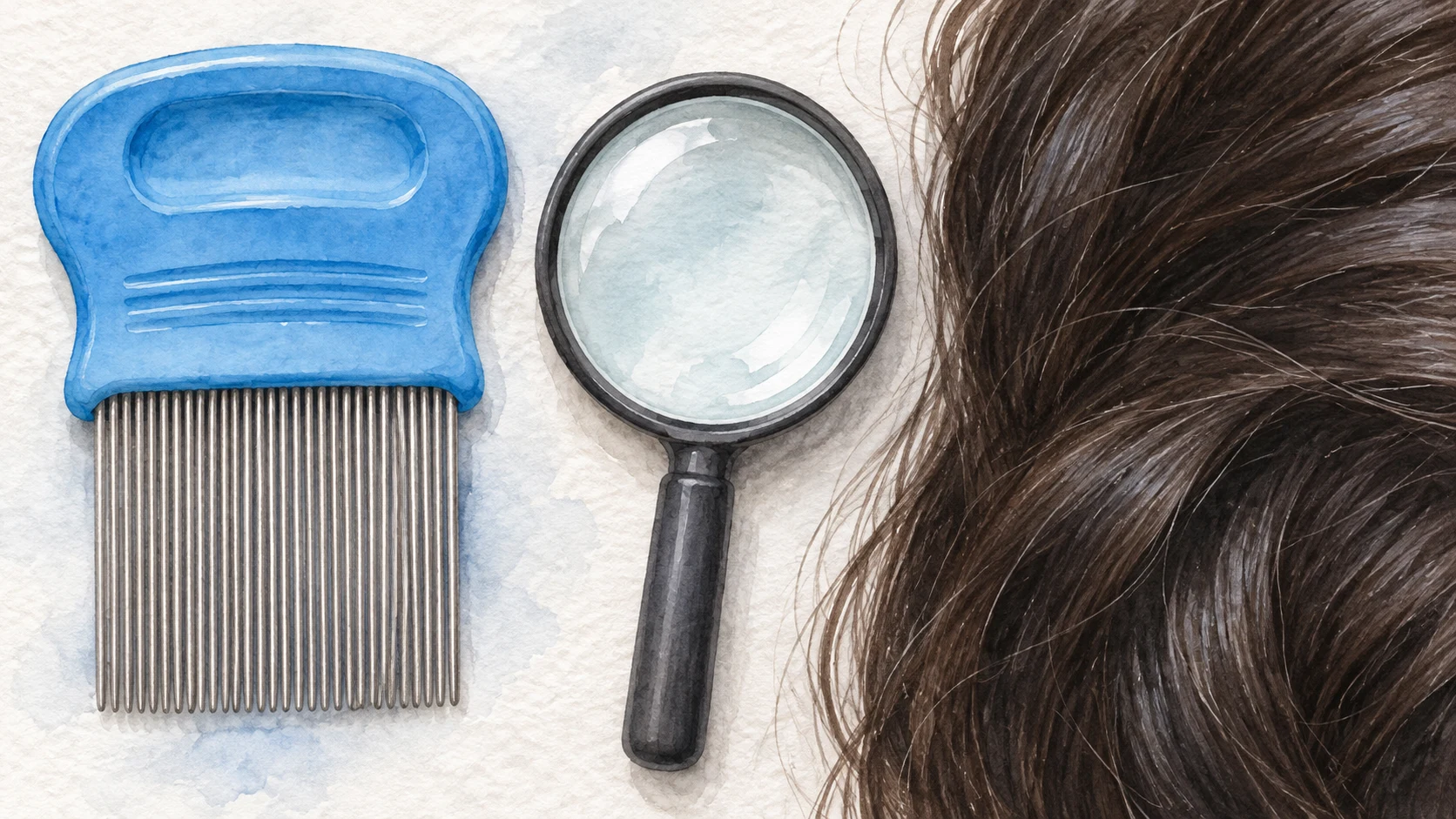
Can You Have Head Lice Without Itching?
You can have head lice without itching. Some people carry live head lice for weeks without noticing any scalp discomfort, particularly during their first infestation. Others develop only mild itching […]

Can Head Lice Get Into Your Ears or Under Your Skin?
Head lice can crawl onto the skin around the ears and are commonly found in the hair behind them. They can also infest eyebrows and eyelashes, but they do not […]