Throwing away bed bug-infested furniture is not always necessary. Mattresses, couches, clothing, and other belongings can sometimes be treated successfully, and removing furniture carelessly can spread bed bugs through hallways, elevators, stairwells, or other rooms. When an item truly cannot be treated or is not worth saving, the goal is to contain it from the moment it leaves the infested area until it reaches the disposal point.
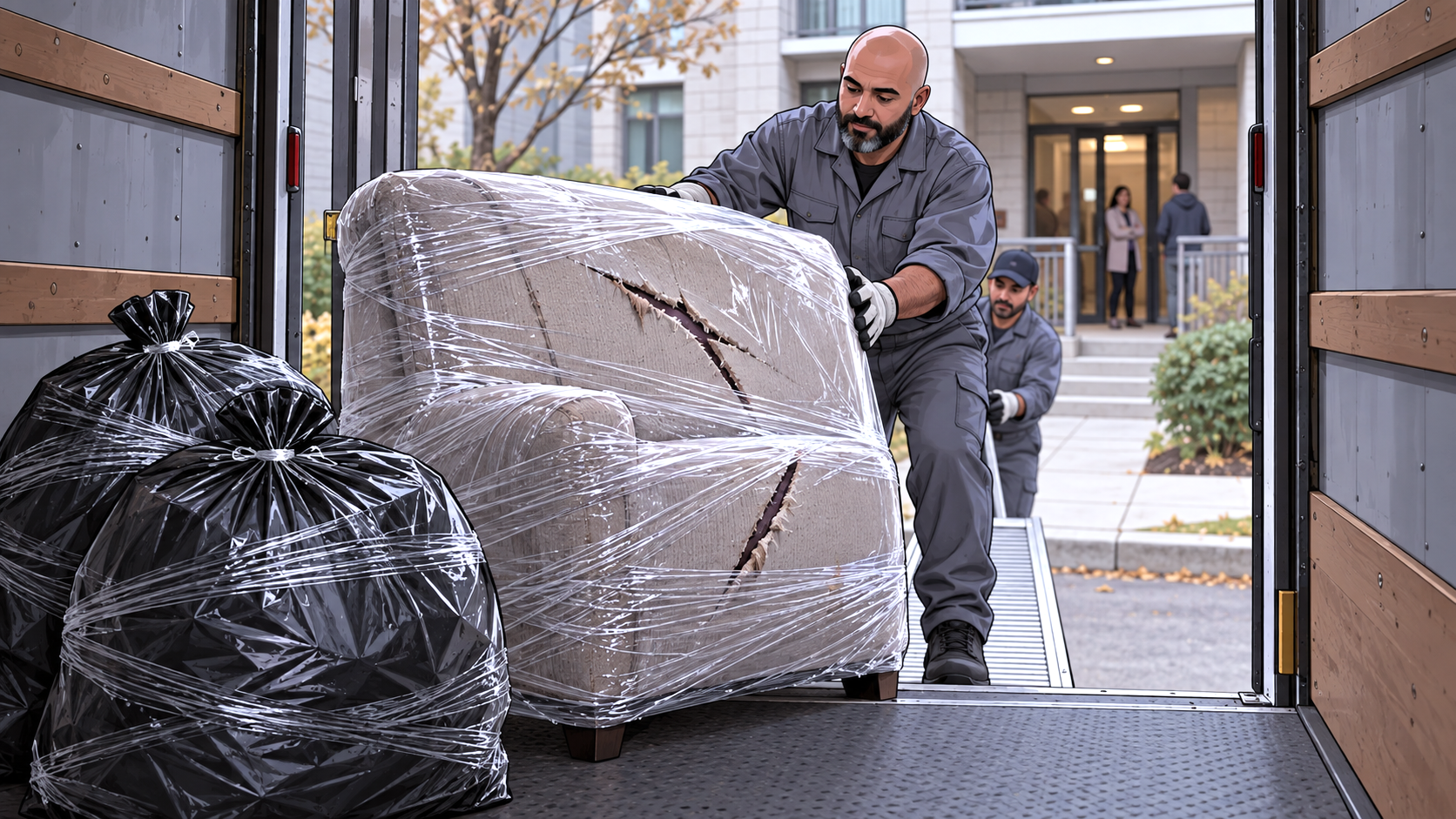
To safely dispose of bed bug-infested furniture, wrap or completely contain the item before moving it, seal openings so bugs cannot escape, clearly mark the item as bed bug-infested, make it unusable when practical, and arrange prompt collection. Smaller infested items should be sealed in sturdy bags before being placed in the appropriate outdoor waste container.
Decide Whether the Item Actually Needs to Be Thrown Away
Do not automatically discard a mattress, couch, or other expensive item simply because you found bed bugs. Many belongings can be incorporated into a broader bed bug treatment plan. Clothing and suitable fabrics can often be heat-treated in a dryer, while some furniture can be vacuumed, steamed, professionally treated, or otherwise managed depending on its construction and condition.
The EPA recommends avoiding furniture disposal when bed bugs can be safely eliminated. Health Canada similarly includes steaming, washing, heating, vacuuming, and disposal among the physical methods available for managing infested belongings. Disposal becomes more reasonable when an item cannot be effectively treated, is badly damaged, contains inaccessible hiding areas, or has little enough value that treatment is impractical.
Mattresses deserve particular consideration because infestation does not automatically make them unusable. Depending on their condition and the treatment plan, a suitable bed bug mattress encasement may allow a mattress to remain in use while trapping bugs associated with it. If you are working with a pest management professional, ask whether an item should actually be discarded before removing it.
Contain Furniture Before Moving It
Never carry an exposed infested mattress or piece of upholstered furniture through the home before wrapping it. Bed bugs hiding in seams, folds, joints, or underneath fabric can be dislodged while furniture is turned, dragged, or carried. That can convert a disposal job into a spreading problem.
Wrap the item securely in plastic or another suitable containment material while it is still in the infested area, then tape the edges and openings closed. Health Canada specifically recommends wrapping discarded infested furniture in plastic and taping the edges before moving it to the trash. The covering should remain intact throughout the trip outside.
Plan the route before moving large furniture. Clear obstacles, open necessary doors, and avoid placing the wrapped item temporarily in another bedroom or living area. In an apartment building, follow management procedures for elevators, hallways, loading areas, and bulk-waste collection. Moving an uncovered mattress down a shared hallway can expose other parts of the building unnecessarily.
Make Discarded Furniture Unattractive to Other People
A discarded couch or mattress left beside a dumpster can look perfectly usable to someone who does not know why it was thrown away. If that person takes it home, the bed bugs can travel with it.
The EPA recommends destroying discarded bed bug-infested furniture so nobody is tempted to reuse it. Depending on the item, this can mean slashing upholstery, removing stuffing, or otherwise making the furniture obviously unusable. Do this carefully before or during containment rather than leaving an intact piece of furniture at the curb.
Clearly mark the furniture as “BED BUGS” or “BED BUG INFESTED.” Health Canada also recommends labeling discarded infested items so other people know not to take them. Marking and physically disabling the furniture serve different purposes: the warning communicates the hazard, while damaging the item makes accidental reuse less likely.
Seal Smaller Infested Items Before Disposal
Clothing, books, toys, clutter, bedding, and other smaller belongings should not be carried uncovered through the house simply because they are headed for the garbage. Place disposable infested items directly into sturdy plastic bags, close them securely, and avoid reopening them indoors.
The same containment principle applies to debris generated while cleaning. After vacuuming bed bug-infested areas, seal the vacuum contents before disposal and put them in an outdoor garbage container. Health Canada similarly recommends sealing vacuum bags before placing them in a garbage bin with a lid. This prevents captured bed bugs from escaping back into the home.
Be selective about what you discard. Washable clothing, bedding, and many other heat-tolerant items do not normally need to become garbage simply because they were exposed. Appropriate heat treatment can preserve belongings while reducing the enormous amount of waste that can otherwise result from an infestation.
Arrange Collection Before Putting Furniture Outside
Do not leave infested furniture sitting unnecessarily in a hallway, shared garbage room, building lobby, or curbside area. Once the item has been contained and marked, arrange for it to enter the waste stream as quickly as local rules allow. The EPA recommends having discarded infested items collected as soon as possible.
Disposal rules for mattresses, furniture, and oversized items vary by municipality and building. Check your local waste service or property-management requirements before moving anything. Some locations require scheduled bulky-item collection, designated drop-off locations, particular wrapping methods, or fees. Following those rules also prevents an infested mattress from remaining outside for days where someone may unwrap or retrieve it.
Do Not Move Infested Furniture to Another Room
Moving a couch, mattress, or chair from an infested bedroom into a basement, garage, spare bedroom, or storage locker is not disposal. It can simply relocate bed bugs and give them additional places to hide. Bed bugs are effective hitchhikers, and infested belongings can transport them to new locations.
The same concern applies when preparing for professional treatment. Do not start moving furniture and belongings around the home unless the treatment instructions specifically require it. If professional treatment is planned, follow the preparation instructions you receive rather than independently emptying the room.
Clean and Inspect After the Item Is Removed
Removing an infested mattress or sofa does not remove bed bugs hiding elsewhere. Inspect the area where the furniture stood, including baseboards, flooring edges, bed frames, nearby furniture, cracks, and wall junctions. Vacuuming can remove some accessible bugs and eggs, provided the vacuum contents are immediately contained and discarded.
Continue watching for early signs of bed bugs and consider bed bug monitors around sleeping areas. If furniture was removed as part of treatment, monitoring afterward can help determine whether bed bug treatment worked. Disposal should support the treatment process, not replace it.
This article provides general bed bug disposal guidance. Waste and bulky-item collection rules vary by location, so follow your municipality, landlord, building management, and waste provider’s requirements.
Other Questions About Disposing of Bed Bug-Infested Items
Do you have to throw away a mattress with bed bugs?
No. Many mattresses can be retained and treated as part of a broader control program. Disposal is more appropriate when the mattress cannot be adequately treated, is damaged, or a pest professional recommends removing it.
Can you put bed bug-infested furniture directly on the curb?
Do not move exposed infested furniture through the home and simply leave it outside. Contain it first, clearly mark it as bed bug-infested, make it unusable when practical, and follow local bulky-waste collection rules.
Should you throw away all your clothes after getting bed bugs?
No. Most washable clothing does not need to be discarded. Suitable clothing and bedding can generally be processed using appropriate heat and laundering methods rather than thrown away.
Can bed bugs escape from furniture while you are moving it?
Yes. Bed bugs hiding on or inside furniture can be dislodged during movement. Wrapping and sealing infested furniture before it leaves the affected area reduces the chance of spreading bugs along the removal route.
One thought on “How to Safely Dispose of Bed Bug–Infested Furniture and Items”