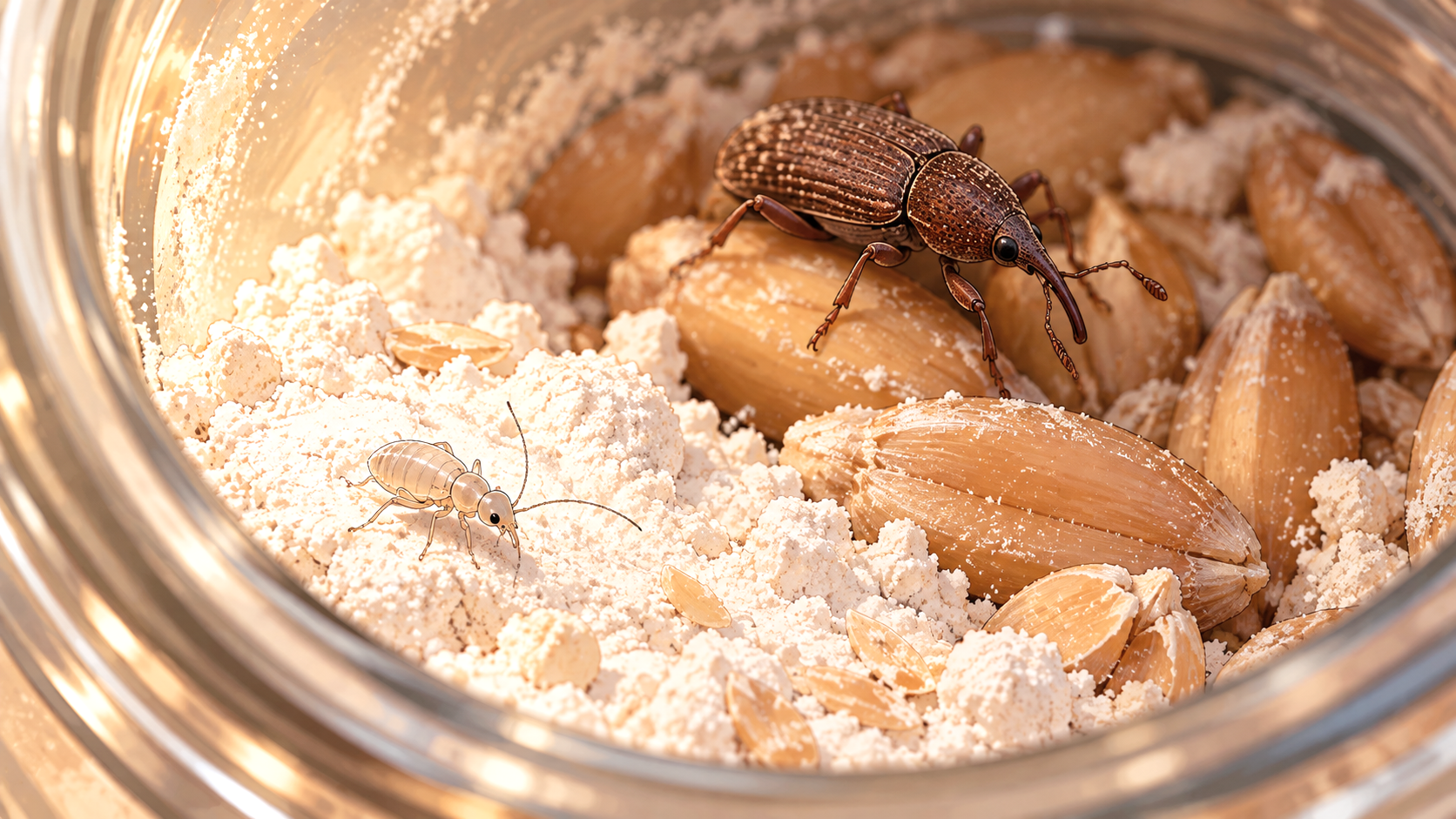
Booklice and weevils can turn up in the same pantry or grain-storage area, but they are not difficult to separate once the insect is viewed closely. Booklice are tiny, soft-bodied […]
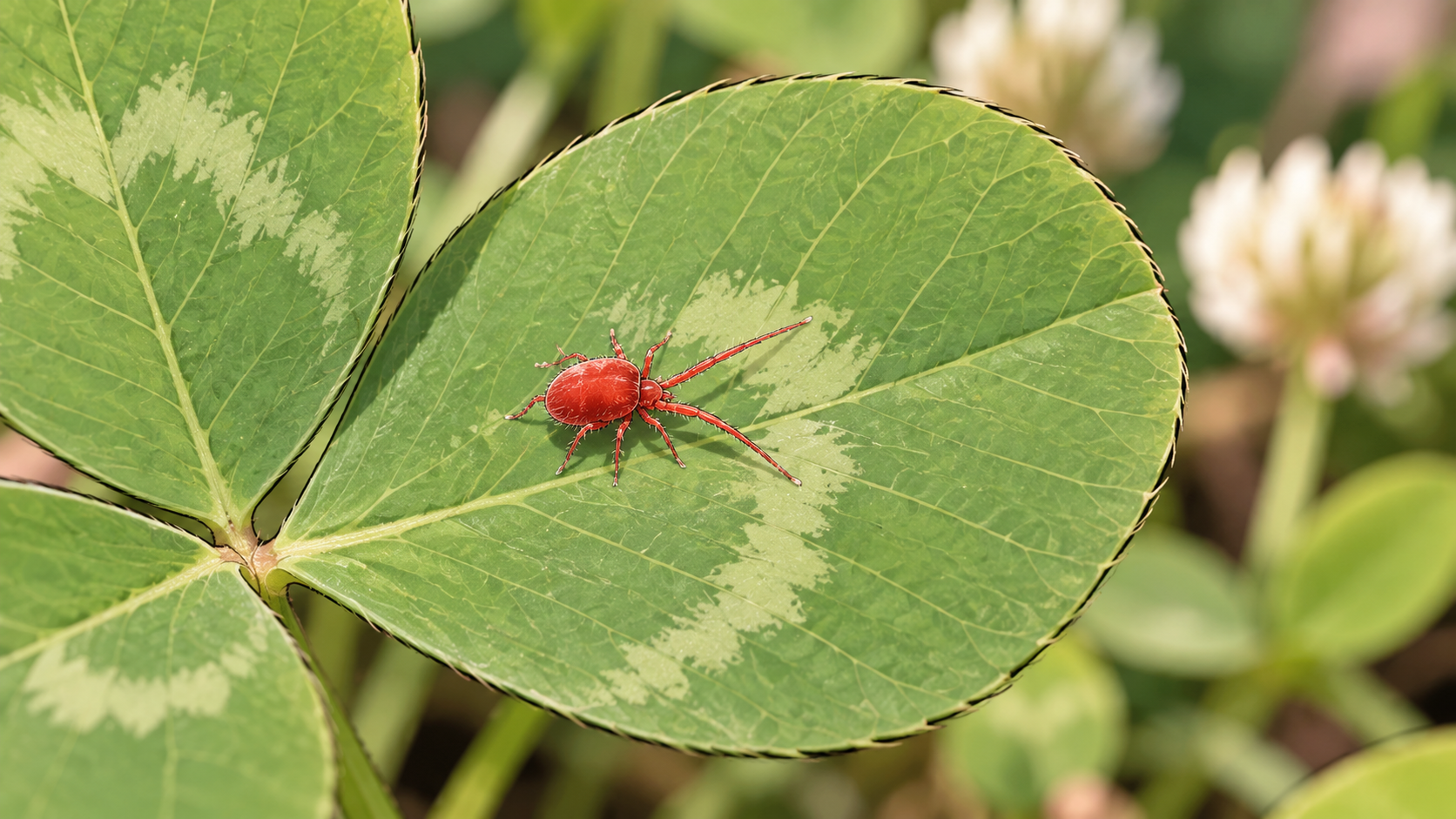
Do Clover Mites Make Webs?
Clover mites do not make webs. Although they belong to the spider mite family Tetranychidae, they lack the conspicuous web-producing behavior associated with familiar species such as two-spotted spider mites. […]
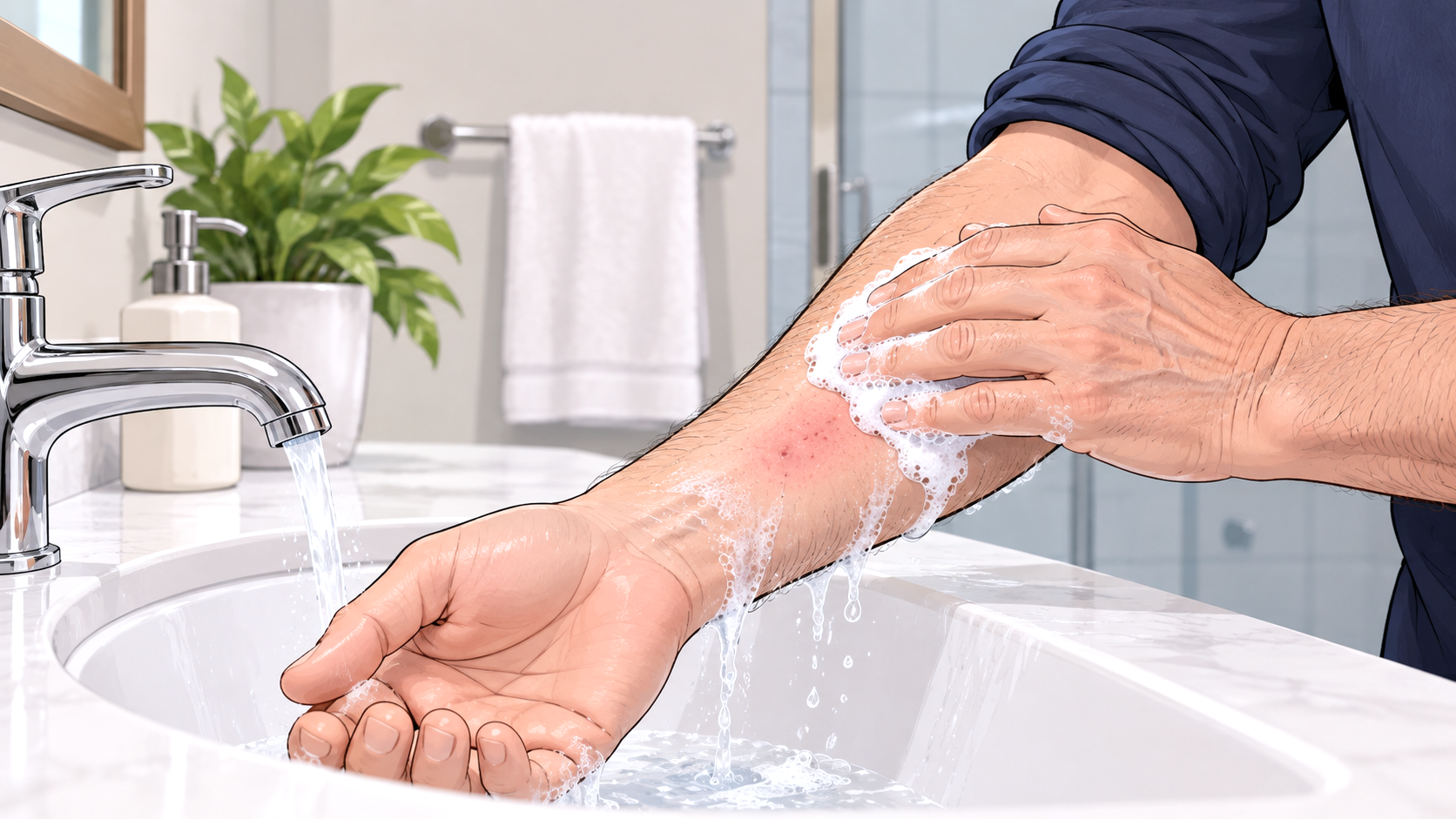
How to Treat a Cockroach Bite
If you suspect a cockroach has bitten you, wash the affected skin with soap and water, apply a cold compress if it is swollen, and protect any broken skin with […]
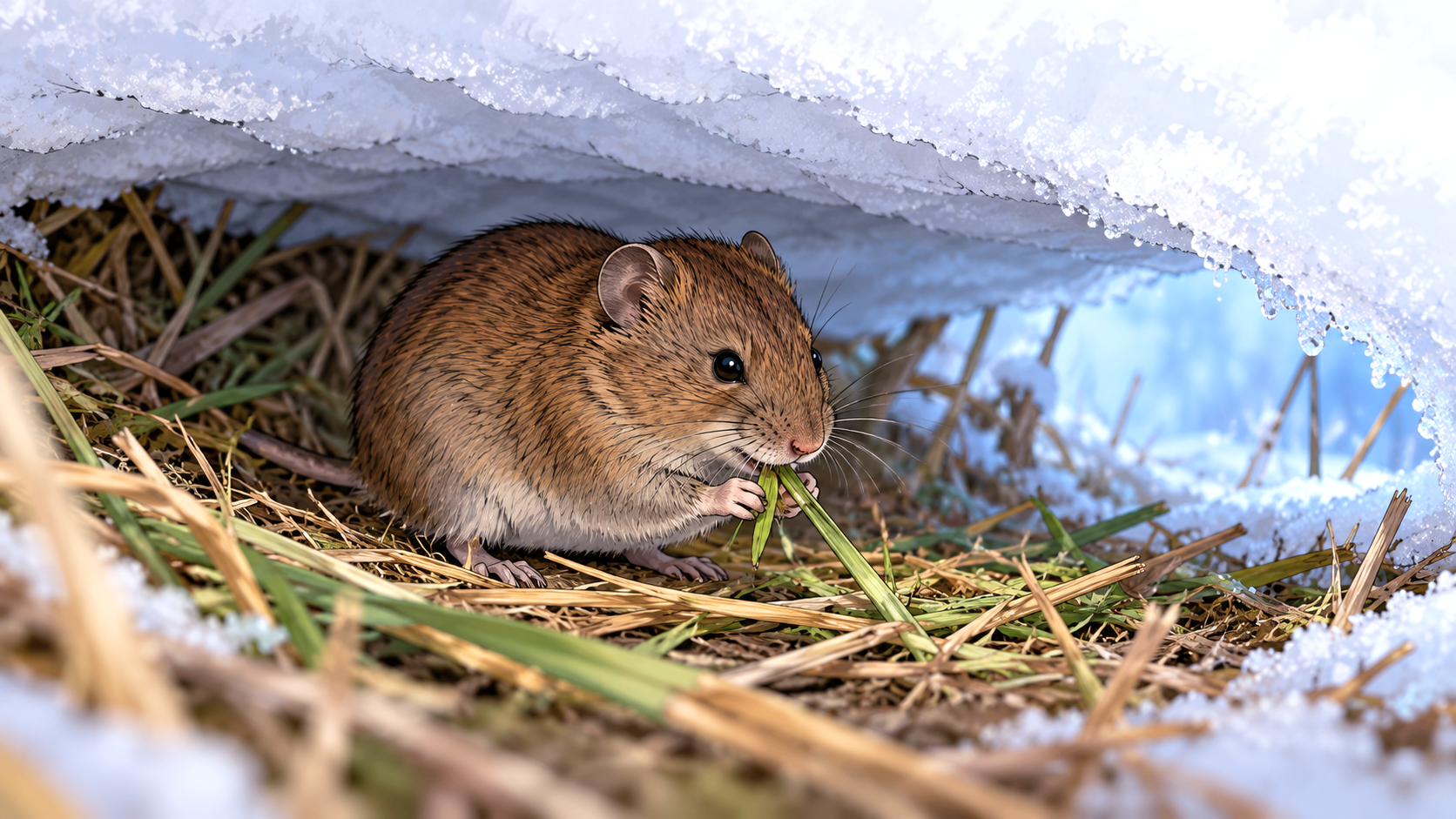
Do Voles Hibernate in the Winter?
Voles do not hibernate in winter. They remain active throughout the cold months, moving through sheltered passages beneath snow, using burrows, and resting in insulated nests. Meadow voles, woodland voles, […]
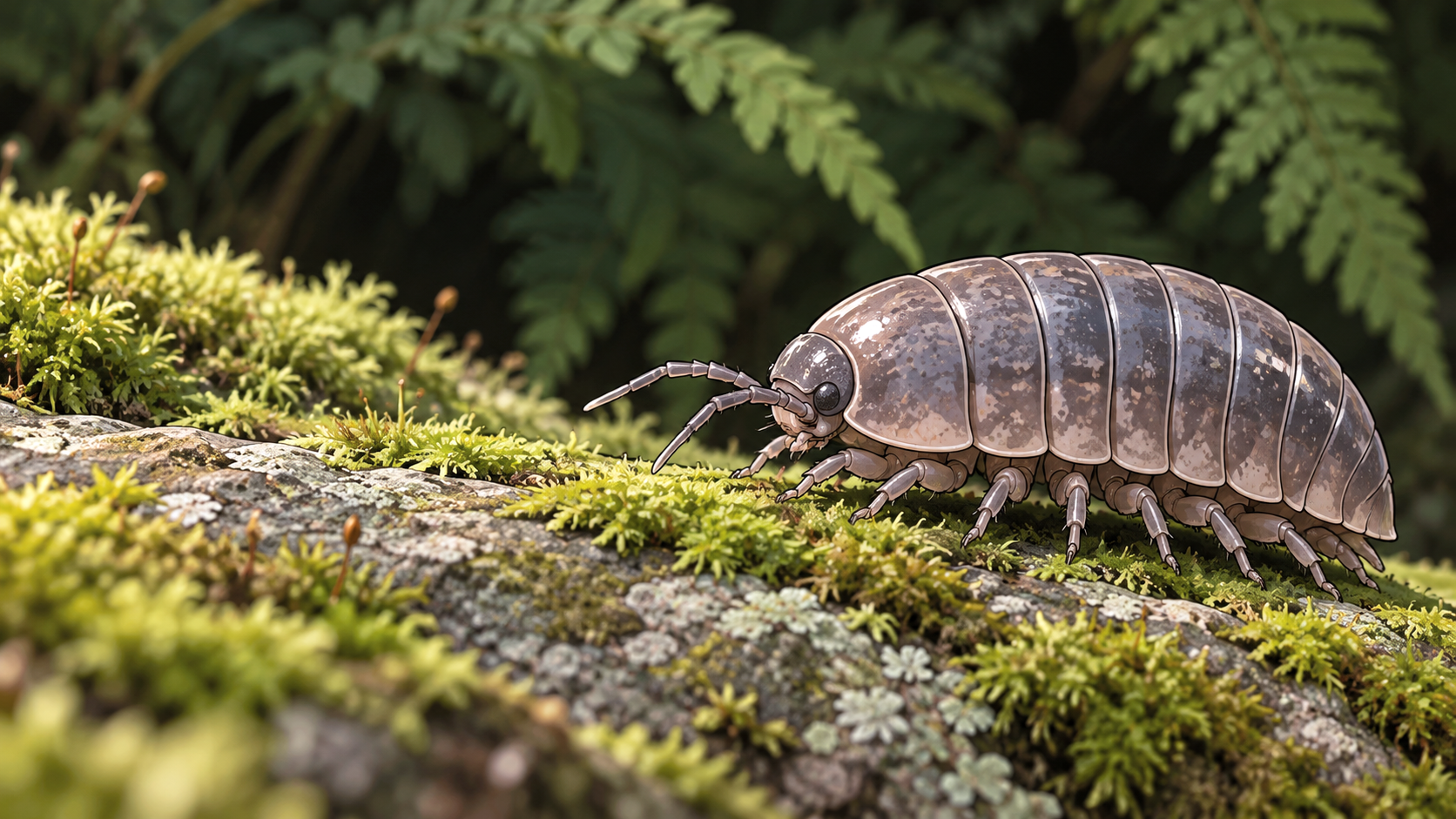
What Is the Scientific Name for Roly-Polies?
The scientific name for the common roly-poly is Armadillidium vulgare, a species of terrestrial crustacean belonging to the order Isopoda and the family Armadillidiidae. The name identifies the familiar pill […]
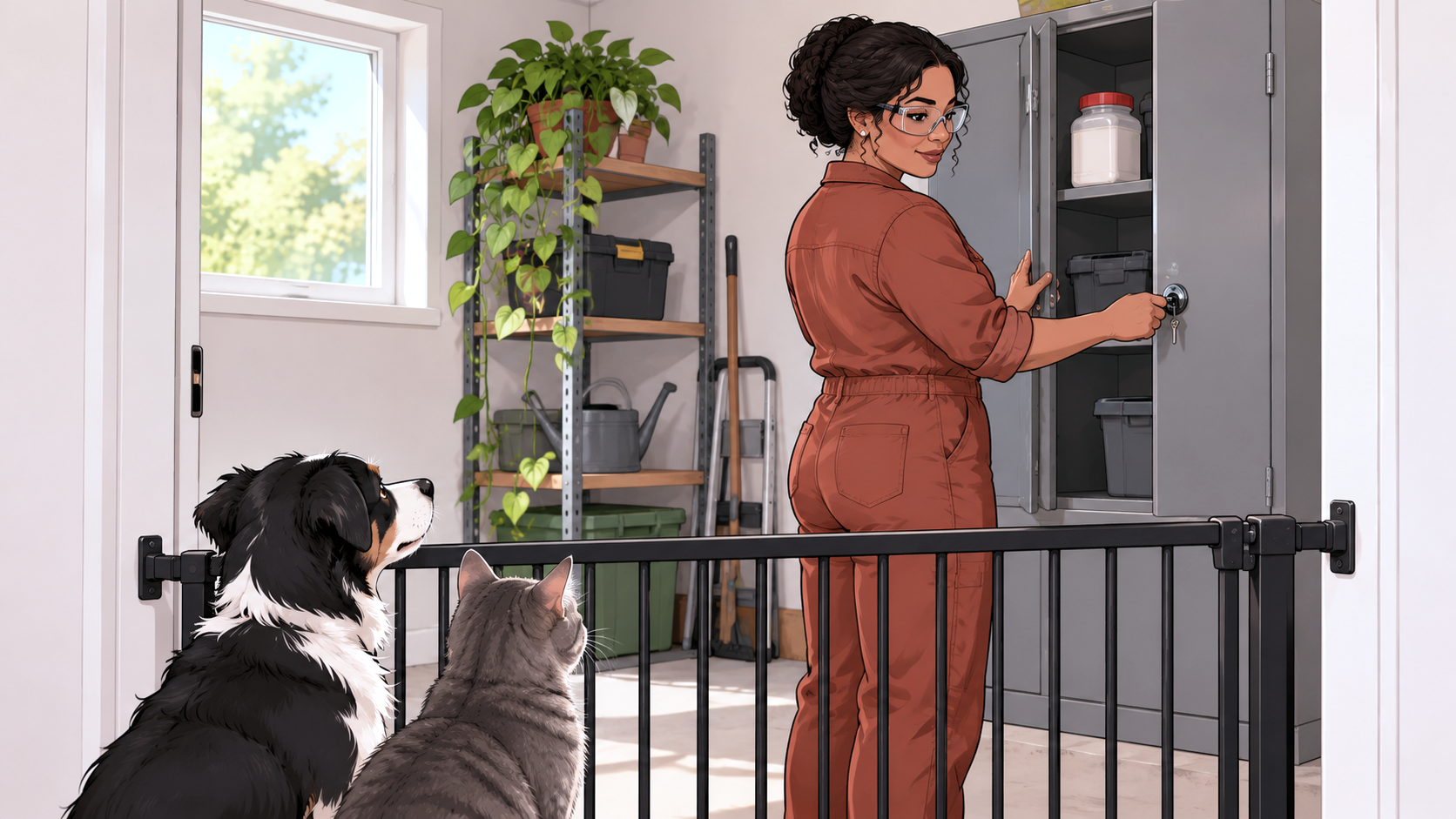
Is Vole Poison Safe Around Dogs and Cats?
Vole poison is not safe for dogs or cats if they can reach the bait or consume a poisoned rodent. Rodenticides can cause internal bleeding, neurological damage, kidney failure, or […]
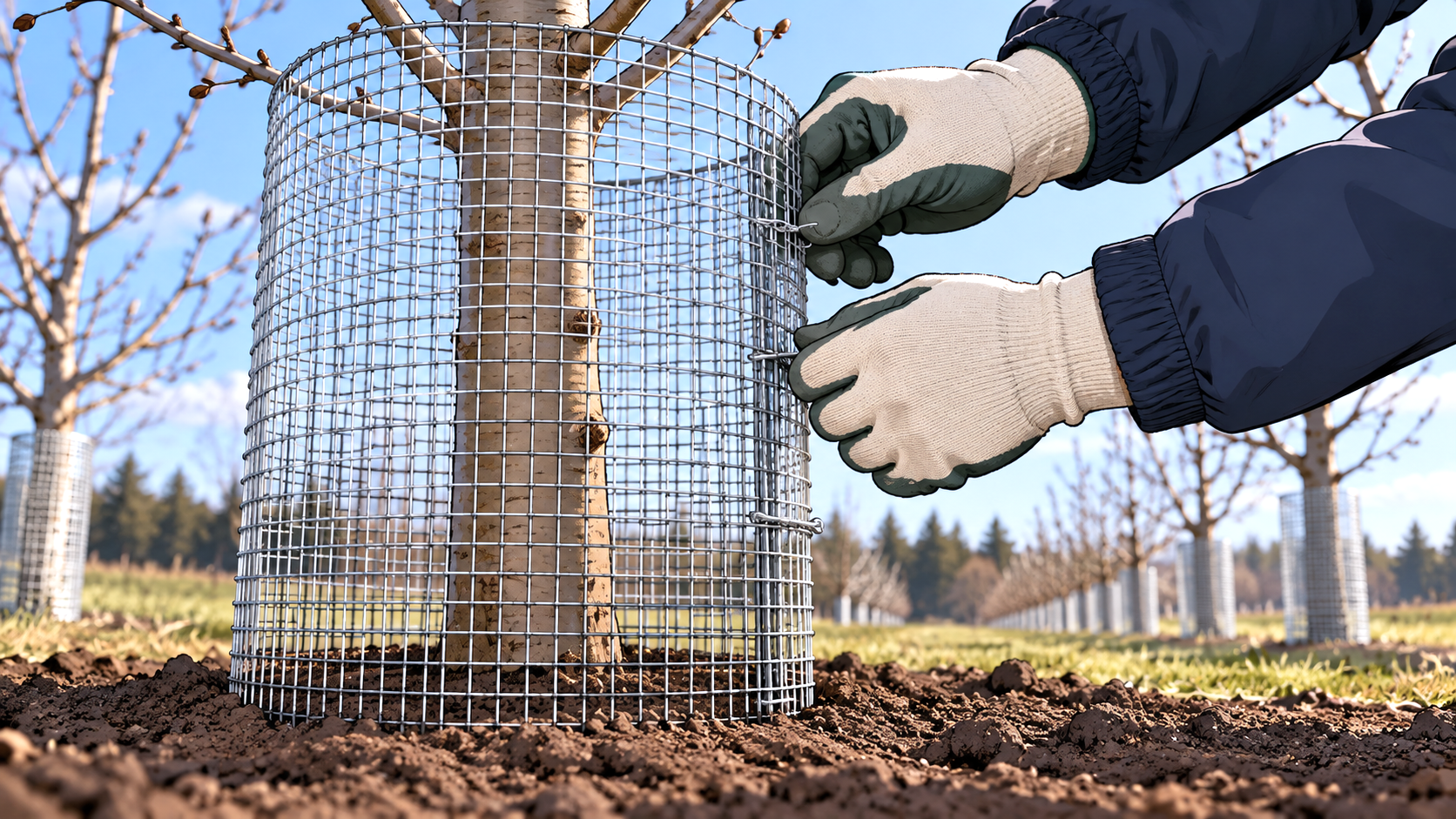
How to Protect Trees From Vole Damage
The most reliable way to protect trees from voles is to surround vulnerable trunks with 1/4-inch metal hardware cloth, bury the bottom 4–6 inches into the soil, and extend the […]
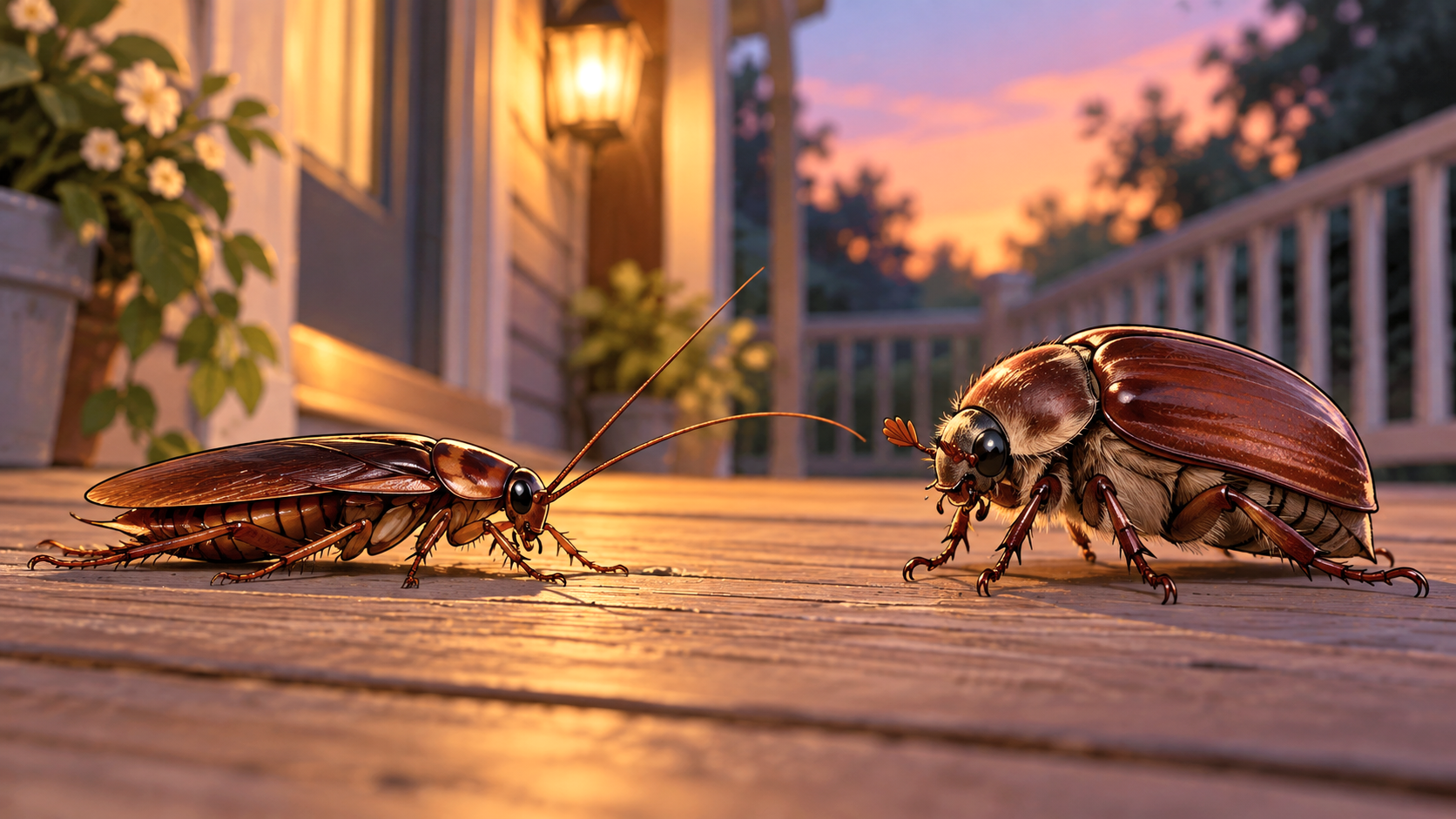
Cockroach vs June Bug
A large brown insect buzzing against a porch light can look surprisingly similar to a cockroach, particularly when it lands on the floor and starts crawling. Both insects have six […]
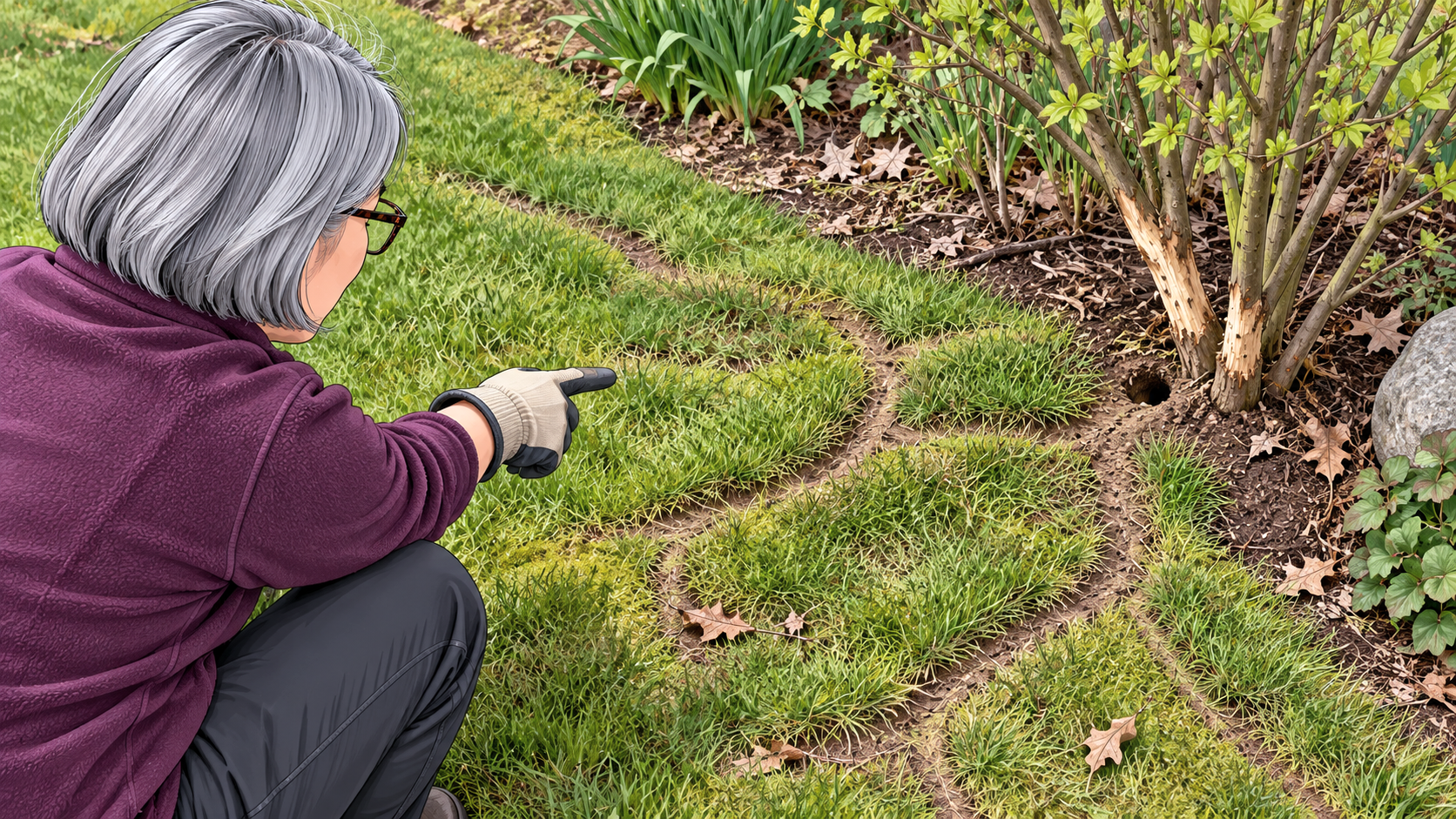
Signs You Have Voles in Your Yard
The clearest signs of voles in your yard are narrow trails through grass, small burrow openings, tiny greenish or brown droppings, and vegetation that has been clipped or gnawed close […]
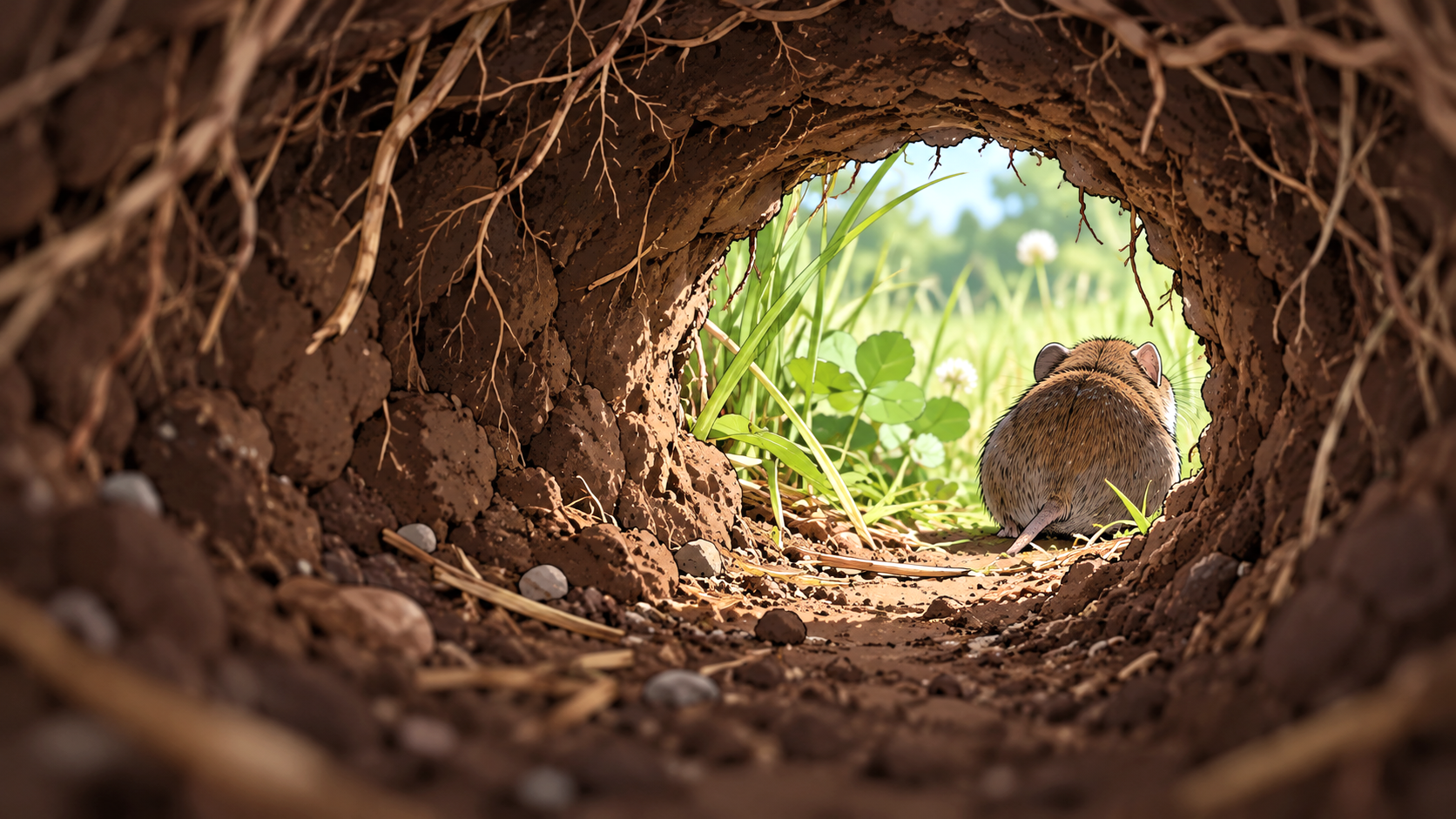
What Does a Vole Hole or Burrow Look Like?
A vole hole is usually a small, round opening in the ground, typically about 1 to 2 inches (2.5–5 cm) across, leading into a shallow burrow. Meadow vole entrances commonly […]