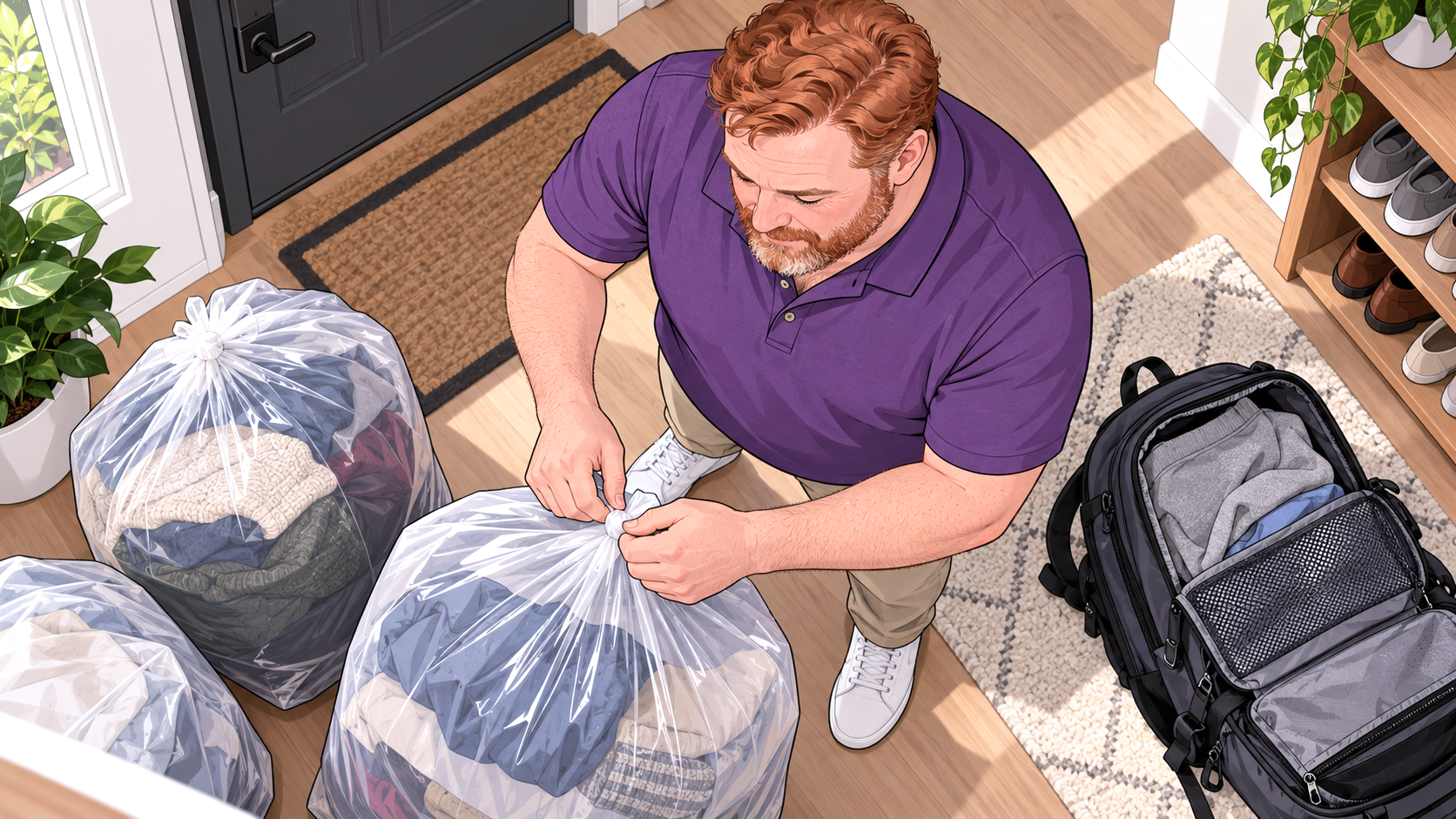
Having bed bugs does not normally require you or your household to quarantine. Bed bugs are not known to transmit infectious diseases between people, so this is not a medical-isolation situation. The useful precaution is to contain potentially infested belongings and avoid carrying bugs into other homes, workplaces, schools, vehicles or shared spaces. You generally do not need to isolate yourself from other people. You do need to think carefully about what leaves the infested home with you.
Quarantining Yourself Does Not Address How Bed Bugs Spread
Quarantine is used to restrict the movement of people who may have been exposed to certain contagious diseases. Bed bugs present a fundamentally different problem. They feed on blood, but they are not known to spread diseases to people, and clinical information describes them as ineffective disease vectors even though pathogens have occasionally been detected in the insects.
Bed bugs also do not remain attached to people as part of their normal life cycle. After feeding, they retreat into protected spaces such as mattress seams, bed frames, furniture and cracks. Someone living with an infestation is therefore not “infectious” in the medical sense, and another person cannot acquire bed bugs simply by standing nearby, talking, shaking hands or sharing the same air.
Transportation occurs mainly when a bug hides in an object that moves with its owner. Luggage, overnight bags, folded clothes, bedding and furniture are established hitchhiking routes. The difference between bugs living on your body and temporarily crawling onto you helps explain why isolating the person is less useful than controlling what they carry.
Contain Belongings That Could Carry a Hidden Bug
Items from an infested sleeping area deserve more attention than the person carrying them. A backpack left beside an infested bed, a coat stored on bedroom furniture and a suitcase kept beneath the bed present different risks from freshly processed clothing taken from sealed storage.
Avoid transferring loose possessions from infested rooms into clear areas. Federal treatment instructions advise keeping objects within the affected room when possible and using sealed plastic bags when items must be transported. Clothing, bedding and other dryer-safe materials can be processed with heat and then placed in clean sealed storage so they remain separated from untreated possessions.
This type of containment is sometimes casually called “quarantining your stuff,” but simply sealing an item and waiting a few days is not dependable treatment. Bed bugs can survive prolonged periods without feeding, so a short stay inside a plastic bag does not guarantee that hidden insects have died.
Heat processing is more useful for compatible textiles. Federal preparation instructions specify that a household dryer on high heat for 30 minutes can kill bed bugs and eggs, while Health Canada similarly recommends hot drying and storing finished items in sealed heavy-duty plastic bags or secure containers. Follow fabric-care instructions and any preparation directions supplied by the pest-control company.
Having Bed Bugs Does Not Automatically Mean You Must Stay Home From Work
An infestation at home does not, by itself, create the same public-health reason to remain home that a contagious illness can. The relevant concern is preventing a hitchhiking bed bug from traveling with your possessions.
Prepare work clothing away from infested furniture after it has been appropriately processed. Keep clean clothes in sealed storage until needed, then dress shortly before leaving if practical. Bags, coats, lunch bags and other objects regularly stored near the bed deserve inspection or relocation to a controlled storage area. Since bed bugs can travel on clothing and belongings, repeatedly placing a work bag on an infested couch or bedroom floor can undermine precautions taken with clothing.
Workplace policies can differ, particularly in healthcare, residential care, shelters and other settings where staff carry bags or work closely with vulnerable residents. Employment rules also vary by jurisdiction and employer. The pest-management issue is therefore different from whether an employer can require someone with bed bugs at home to attend work.
If a confirmed bed bug appears at work, the workplace needs inspection and an appropriate pest-management response rather than assumptions about which employee brought it. Bed bugs can arrive through many routes.
Children Generally Do Not Need Medical Isolation From School
A bed bug found on a child’s belongings creates a pest-management concern, but the child is not carrying a contagious infection. School responses are better directed toward the insect and belongings than toward stigmatizing or publicly isolating the student.
Federal school guidance recommends discreetly checking the student’s clothing and possessions, placing belongings in tight-sealing containers or plastic bags, inspecting the area where the bug was discovered and continuing surveillance. A single bed bug at school also does not automatically establish that the school itself has an infestation.
Parents can reduce transport risk by keeping school bags and coats away from beds and upholstered furniture at home. Items that can safely receive dryer heat can be processed when appropriate, while clean clothing can remain isolated from untreated possessions until it is worn.
Schools and childcare facilities can have their own pest-management procedures, so families need to follow local institutional requirements. Those policies are administrative precautions rather than evidence that bed bugs require medical quarantine.
Visiting Other Homes Creates a Different Kind of Risk
You do not have to avoid human contact because you have bed bugs, but taking potentially infested belongings into someone else’s home can introduce the insects there. Overnight visits create more opportunity because luggage, clothing and personal items remain in the property for longer and often end up close to beds or upholstered furniture.
If a visit is optional, postponing it until the infestation is under control can eliminate an unnecessary transport opportunity. When visiting cannot be avoided, take only items that have been appropriately inspected or processed and kept away from infested belongings afterward. Do not bring bedding, pillows or untreated luggage from the affected bedroom.
Travel precautions illustrate why belongings receive so much attention. Health Canada notes that bed bugs can hide in luggage, clothing and personal items and recommends keeping possessions separated in sealable plastic bags. The same hitchhiking route that allows someone to bring bed bugs home after traveling can carry them from an infested home to another residence.
Do Not Quarantine the Infested Bedroom by Abandoning It
Closing the bedroom door and sleeping somewhere else in the home does not create an effective bed bug quarantine zone. Bed bugs can move beyond their original harborages while searching for a host, and transferring bedding or possessions to another sleeping area can move insects directly.
Health Canada specifically advises against changing bedrooms after treatment because surviving bugs can follow belongings and contribute to another infestation. Instead, it recommends continuing to use the same bedroom while monitoring for survivors and maintaining protective measures around the bed.
The same consideration applies during an active infestation. Continuing to sleep in the usual bed can keep the host location predictable while treatment and monitoring proceed, unless medical needs or pest-control instructions require another arrangement. Moving out of the property altogether introduces additional concerns because untreated possessions can carry bugs to temporary accommodation.
Multi-Unit Housing Calls for Communication, Not Isolation
An apartment infestation can affect more than one household without any resident physically carrying a bug through the hallway. Bed bugs can move through structural routes between connected units, making neighboring apartments relevant to control.
Health Canada advises tenants who discover bed bugs to tell their landlord promptly, particularly because coordinated preparation and treatment may be necessary in multi-unit buildings. Shared-wall openings around pipes, wiring and other utilities can provide potential routes, and residents are advised to examine entry points on walls shared with neighboring units.
Evidence from field research has confirmed bed bug movement between neighboring apartments. A resident isolating socially does nothing to address that route. Building management may need to arrange inspection of adjoining units when the circumstances warrant it, particularly when bed bugs repeatedly spread between apartments.
Medical Symptoms Are Separate From Bed Bug Containment
Most bed bug bites cause no serious medical problem, although reactions differ substantially between people. Some develop itching or swelling, some have little visible reaction, and rare allergic reactions can be more severe. Scratching can also damage the skin and create an opportunity for secondary infection.
Those complications may require medical care, but they do not turn the underlying bed bug infestation into a contagious condition. Clinical guidance notes that bites generally need minimal symptomatic treatment, while secondary infections may require antibiotics and more substantial allergic reactions can require treatment directed at the symptoms.
Seek urgent medical attention for signs of a serious allergic reaction or another medical emergency. Otherwise, pest control and medical care address two separate issues: eliminating the insects from the environment and managing any health effects they have caused.
Questions About Bed Bug Quarantine
Should you tell people who recently stayed overnight at your home?
If they stayed while the infestation may have been present, informing them allows them to inspect their luggage and belongings before a small introduction becomes established. It does not mean they need to quarantine themselves.
Should all of your clothes stay sealed until the infestation is gone?
Not necessarily. Clean, processed clothing can be kept in sealed storage to prevent reinfestation, while clothing needed for daily use can be removed as required. Mixing processed items back into untreated piles defeats the separation.
Can you quarantine a suitcase instead of treating it?
Long-term isolation can eventually deprive hidden bugs of a blood meal, but bed bugs survive too long without feeding for short-term bagging to provide reliable treatment. Use a suitable treatment or inspection method for the luggage rather than assuming several days in storage makes it safe.
Do household members need to avoid each other?
No. Bed bugs are not transmitted between people through ordinary social contact. Household members can continue interacting normally while avoiding the transfer of potentially infested belongings into unaffected rooms or other properties.
One thought on “Should You Quarantine If You Have Bed Bugs?”