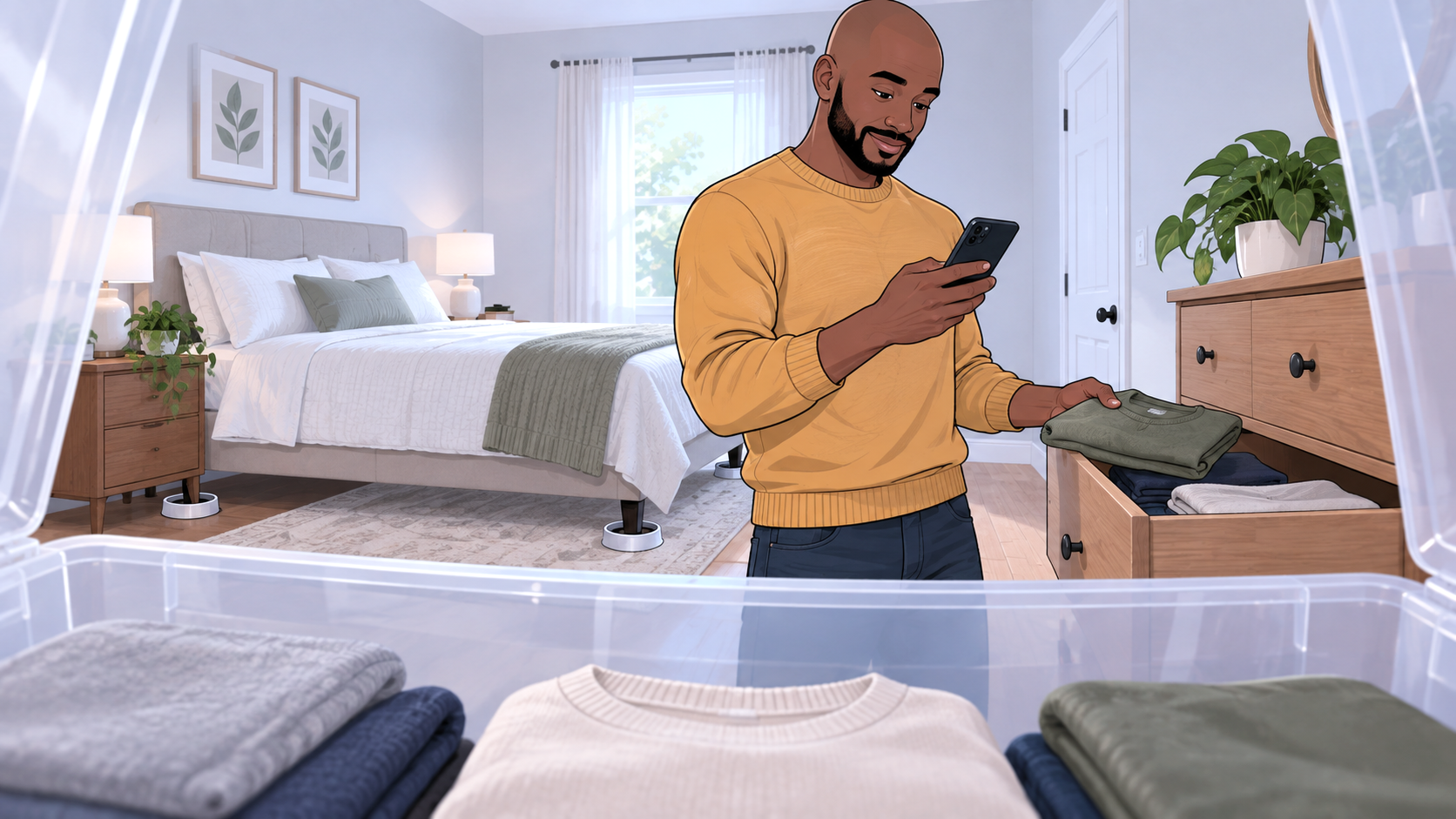
What you do after bed bug treatment can affect whether the treatment succeeds. The main priorities are following the exterminator’s re-entry instructions, avoiding premature cleaning of treated areas, keeping untreated belongings contained, and monitoring for surviving bugs. Clean, heat-treated clothing can often be returned sooner than people expect, but the treatment method matters.
You can generally put clean, properly processed clothes back after the exterminator says the home is safe to re-enter, unless the company specifically tells you to keep them sealed. Never unpack untreated clothing. After pesticide treatment, also avoid cleaning treated surfaces until the technician says it is safe to do so.
First, Follow the Re-Entry Time You Were Given
Do not return simply because the exterminator has left. Pesticide treatments have product-specific re-entry requirements, while professional heat treatment requires the property to cool sufficiently before occupants and pets return. Your technician’s instructions and the pesticide label take priority over a general timeframe found online.
Once you are cleared to return, ask what was treated and what must remain undisturbed. Professional bed bug programs frequently require multiple visits and continued monitoring, so the first treatment should be viewed as part of a process rather than the point when everything immediately returns to normal.
When Can You Put Your Clothes Back?
Clean clothing that was processed as instructed can generally be put back after you are allowed to re-enter the home, provided your exterminator has not instructed you to keep it sealed until later. The Canadian province of Manitoba’s post-treatment guidance, for example, allows residents to open bags containing clean clothes, blankets, sheets, and other washed laundry after returning home.
The crucial distinction is between processed and unprocessed clothing. Clothing that was heat-treated, laundered and dried as instructed, or otherwise cleared should have been kept in clean sealed bags or containers so bed bugs could not re-enter it. Any bag still containing untreated or potentially infested laundry should remain closed until those contents are processed.
If your exterminator asks you to keep clean clothes sealed through a follow-up treatment, do that instead. Treatment plans differ, particularly when an infestation is extensive or several visits are scheduled.
Don’t Put Untreated Clothes Back in Drawers or Closets
Returning untreated clothing can reintroduce bugs into areas that have just been treated. Bed bugs and eggs can hide in folds, pockets, seams, laundry hampers, and fabric stored near an infested sleeping area.
For dryer-safe items, 30 minutes on high heat can kill bed bugs and eggs. Washing alone may not be sufficient, so the drying step matters. Once processed, move the clothing directly into clean bags, bins, drawers, or closets without mixing it with anything that still needs treatment.
This separation becomes especially important when treatment spans multiple visits. A bag labeled as clean should remain clean; a bag containing untreated laundry should stay sealed until you are ready to process it.
Be Careful About Cleaning Treated Areas
One of the easiest post-treatment mistakes is immediately deep-cleaning the home. If a professional applied a residual pesticide along baseboards, cracks, furniture joints, or other locations, washing or scrubbing those surfaces too soon could remove the product before it has finished doing its job.
Ask exactly what you may vacuum, mop, wipe, or wash. Manitoba’s bed bug treatment guidance, for example, instructs residents after certain treatments not to wash floors around walls or windows for two weeks while still vacuuming or sweeping other floor areas during the first week. Your own instructions may differ because the products and treatment strategy may be different.
Normal housekeeping can resume according to the exterminator’s schedule. The point is not to avoid cleaning indefinitely, but to avoid removing deliberately placed treatments prematurely.
Keep Mattress Encasements and Bed Isolation Measures in Place
If a bed bug encasement was installed around your mattress or box spring, do not remove it simply because treatment has taken place. Proper encasements trap bugs that may remain inside while eliminating many of the seams and folds they normally use for hiding.
An intact encasement may need to remain in place for an extended period. Guidance for post-treatment bed bug prevention recommends keeping mattresses enclosed for a full year. Understanding how bed bug mattress encasements work can help prevent accidentally releasing trapped insects.
Keep the bed separated from the wall when instructed, prevent bedding from touching the floor, and leave bed bug interceptor cups beneath the bed legs if they are part of the monitoring plan.
Continue Sleeping in the Treated Bedroom
Moving to another bedroom or sleeping on the couch can work against the treatment plan. Surviving bed bugs may follow the availability of a host and spread into another part of the home. Continuing to use the same bedroom while monitoring for survivors is part of preventing bed bugs from becoming established elsewhere.
This can feel counterintuitive after treatment, but an isolated bed with interceptors also functions as a monitoring system. Bugs attempting to reach or leave the bed may be captured, providing physical evidence that activity remains.
Seeing a Bed Bug After Treatment Does Not Always Mean It Failed
Professional treatment does not necessarily kill every bed bug immediately. With conventional pesticide treatment, bugs may remain hidden and emerge later, and eggs unaffected by the initial treatment can hatch afterward. Very few infestations are controlled with only one treatment, which is why follow-up visits are common.
Record when and where you find any live bug rather than immediately spraying it yourself. Photographs or captured specimens can also help the technician evaluate what is happening. Continued findings over time are more informative than a single sighting shortly after treatment.
The pattern of activity should decline as treatment progresses. Knowing how to tell whether bed bug treatment worked is more reliable than judging success from one bite or one quiet night.
Monitor the Home Between Treatments
Inspect the bed, frame, headboard, nearby furniture, and previously active areas periodically. Check any bed bug monitors or interceptors that were installed and keep a record of captures or sightings. Physical evidence gives the exterminator useful information during the next visit.
Continue keeping clutter under control and avoid moving belongings unnecessarily between rooms. Regular vacuuming may also be part of the post-treatment plan, but follow the technician’s instructions about treated surfaces. Ongoing inspection after the initial control process helps reveal bugs that were missed or emerged after eggs hatched.
Do not add bug bombs, sprays, powders, or homemade treatments between professional visits without discussing them with the exterminator. They may interfere with the existing treatment strategy.
Heat Treatment Requires Slightly Different Aftercare
After professional bed bug heat treatment, you can normally return once the company has cleared the property and temperatures are safe. Because heat does not leave a pesticide residue, there is no residual treatment to preserve unless the company also applied another product.
That creates a different concern: reintroduction. Heat treatment has no residual effect, so an untreated object removed before treatment could bring a surviving bed bug back into the home. Do not automatically return boxes, clothing, luggage, or other belongings that were kept outside the heated area unless they have been inspected or treated according to the company’s instructions.
Keep Your Follow-Up Appointment
Even when you stop seeing bugs, keep the scheduled follow-up. The technician can inspect previously active areas, check monitoring devices, and determine whether additional treatment is necessary. Complete professional control may involve several visits over a period of weeks.
Do not use the disappearance of bites as your only measure of success. People react differently to bed bug bites, and physical evidence is a more useful indicator of continuing activity. Follow-up inspection is the point at which the treatment plan can be adjusted if bugs remain.
Safety note: Follow the exterminator’s written instructions for re-entry, cleaning, laundry, and handling treated belongings. Do not clean pesticide-treated surfaces earlier than instructed or apply additional pesticides yourself unless they are legally approved for that use and compatible with the professional treatment plan.
Other Questions About What to Do After Bed Bug Treatment
Can I put clothes back in drawers after bed bug treatment?
Yes, once the clothes have been properly processed and your exterminator says they can be returned. Do not put untreated clothing back into drawers or closets.
How long should clothes stay in bags after bed bug treatment?
There is no universal waiting period. Clean clothes can sometimes be unpacked after re-entry, while some treatment plans require them to remain sealed until follow-up. Follow the instructions for your specific treatment.
Can I vacuum after bed bug treatment?
Often yes, but avoid vacuuming or cleaning surfaces where residual pesticides were deliberately applied unless the exterminator says you can. Ask which areas should remain untouched.
Can I sleep in my bed after bed bug treatment?
Once the home has been cleared for re-entry, you will generally continue sleeping in the treated bedroom unless instructed otherwise. Moving to another sleeping area can encourage surviving bed bugs to spread.
Should I wash all my clothes again after treatment?
Not if they were already properly processed, kept sealed, and protected from reinfestation. Concentrate on clothing and other fabrics that remain untreated or may have been re-exposed.