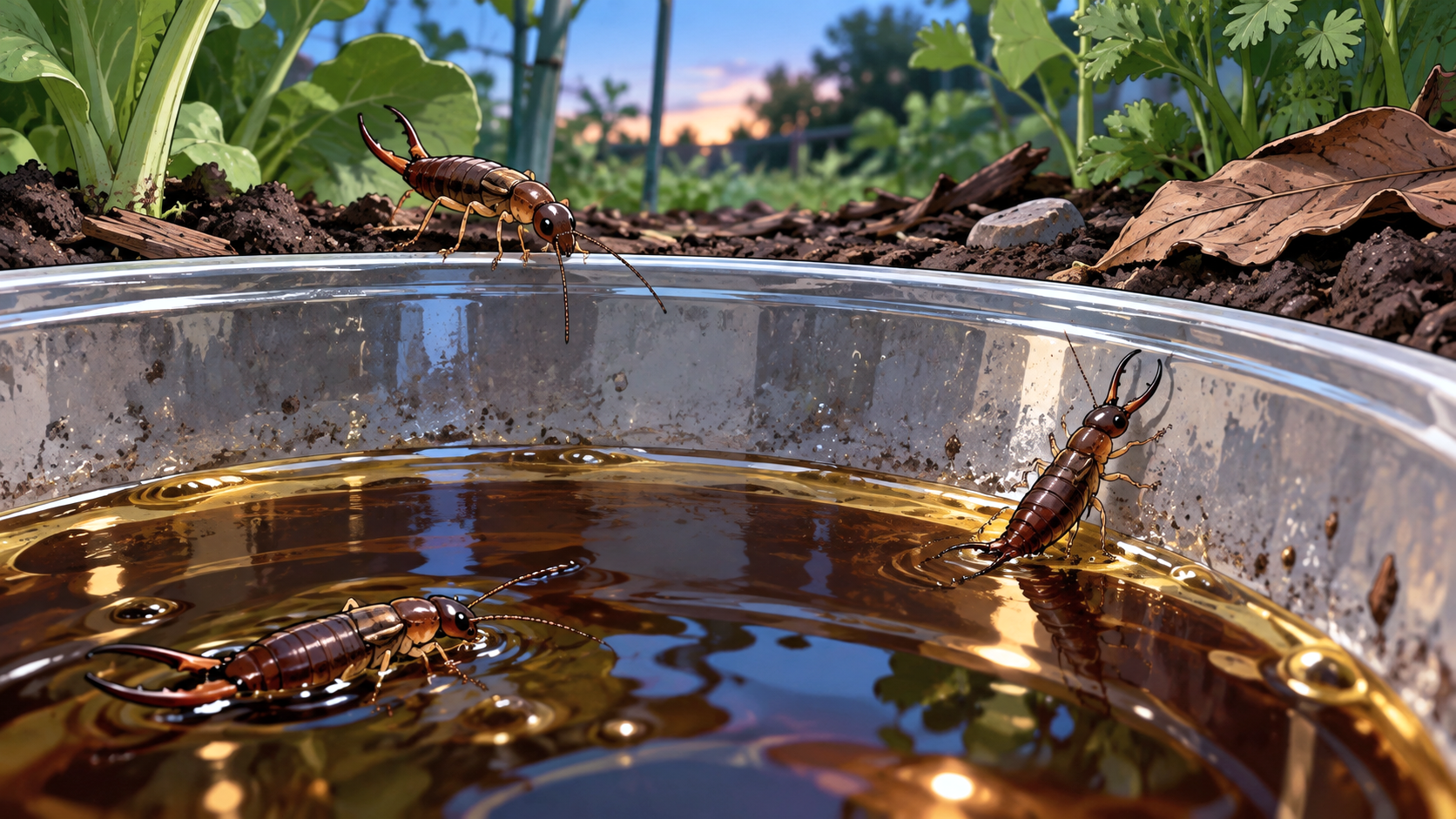
The soy sauce and oil earwig trap has become one of those garden remedies that sounds almost too homemade to be taken seriously. A small container goes into the soil, […]
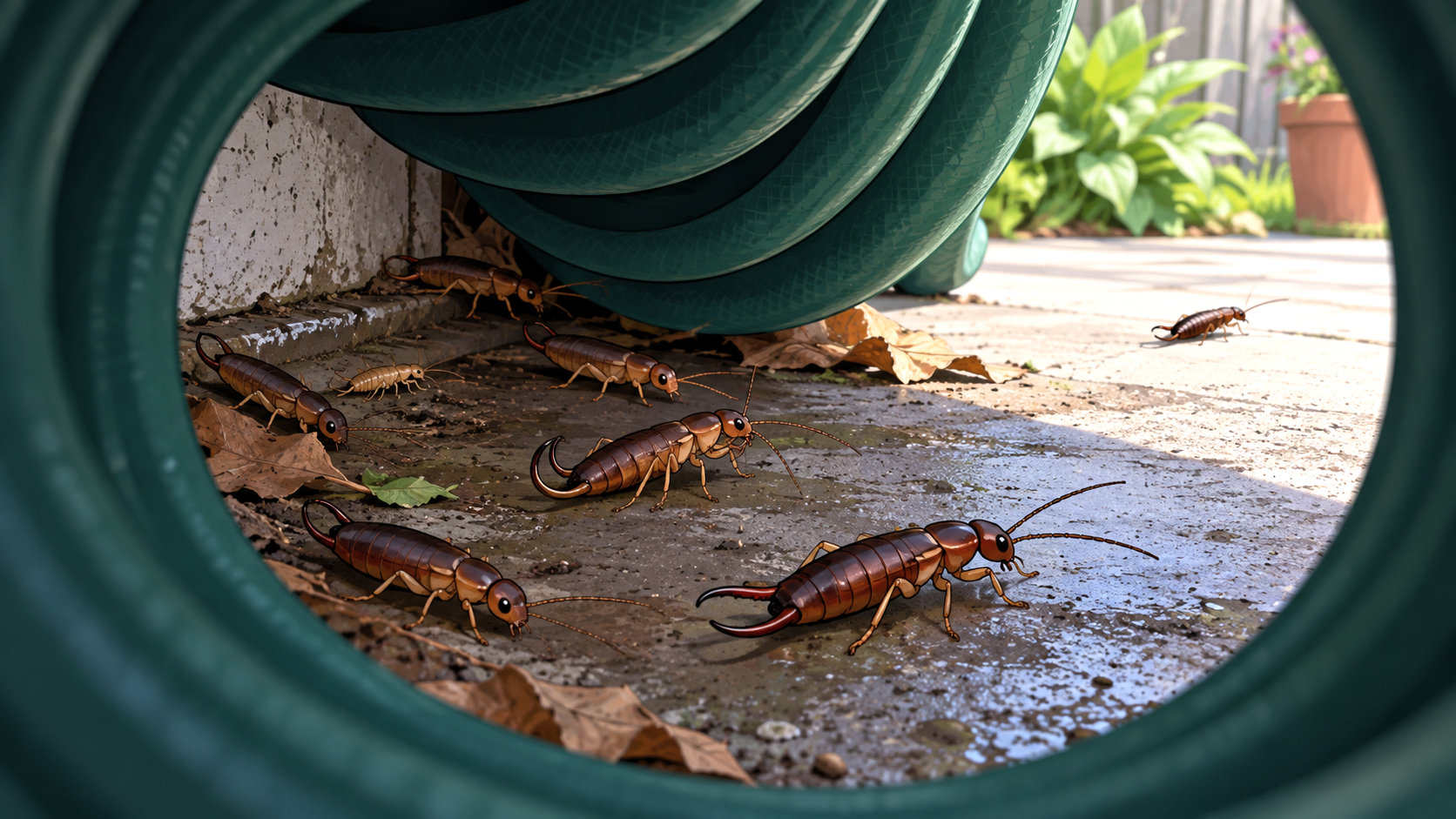
Do Earwigs Live in Colonies or Alone?
Lift a damp board and finding ten earwigs underneath it can look a lot like discovering a colony. That description is misleading, though. The insects may have deliberately gathered together, […]
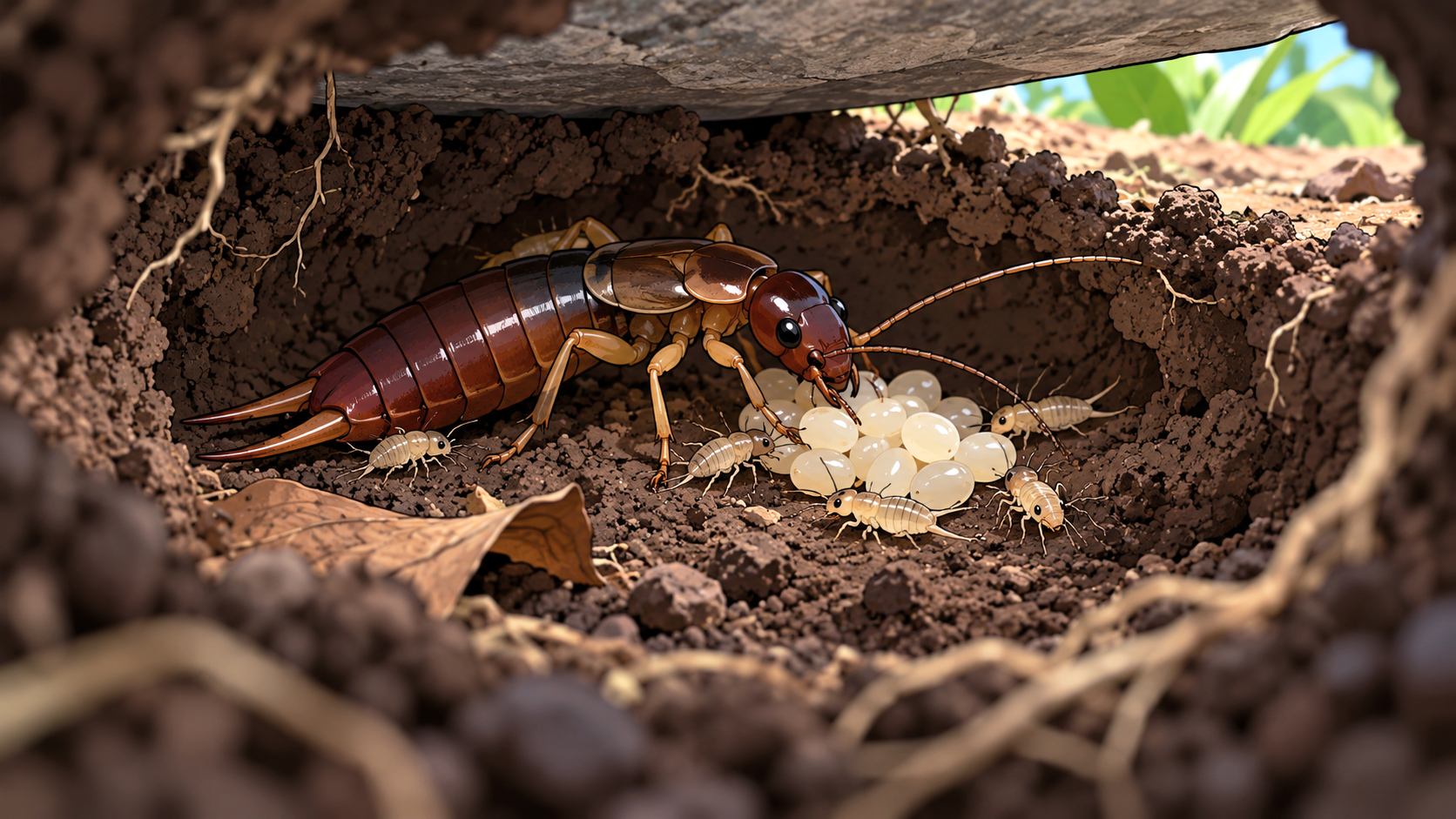
Do Earwigs Take Care of Their Young?
Yes. Female earwigs take care of their eggs and newly hatched young, an unusually involved form of parental care for an insect. A mother guards her underground nest, tends the […]

Why Do Earwigs Smell When You Kill Them?
Squashing an earwig can produce an unpleasant smell that seems to appear out of nowhere. It is easy to assume that the odor comes from the insect simply being crushed, […]
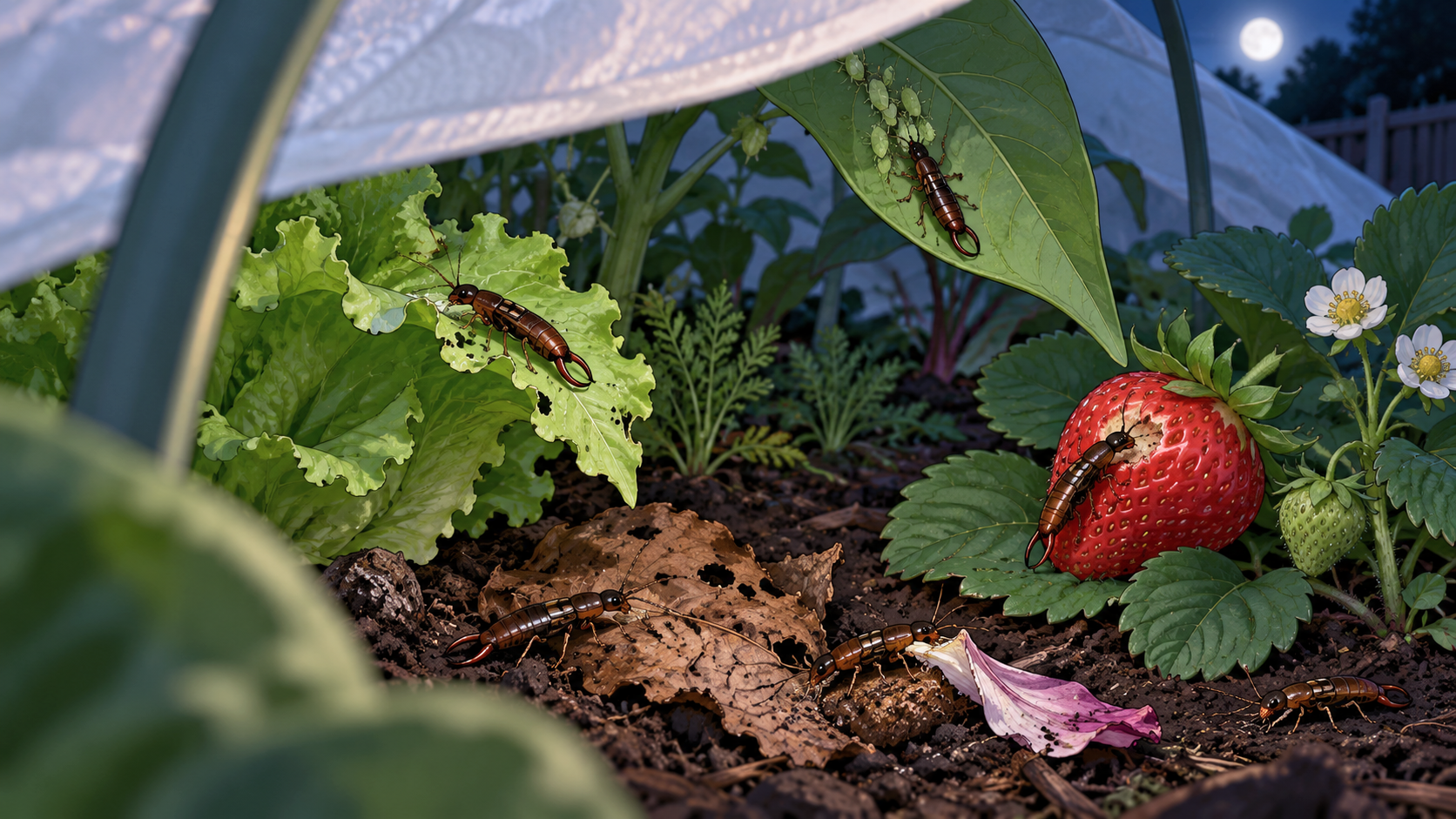
What Do Earwigs Eat in the Garden?
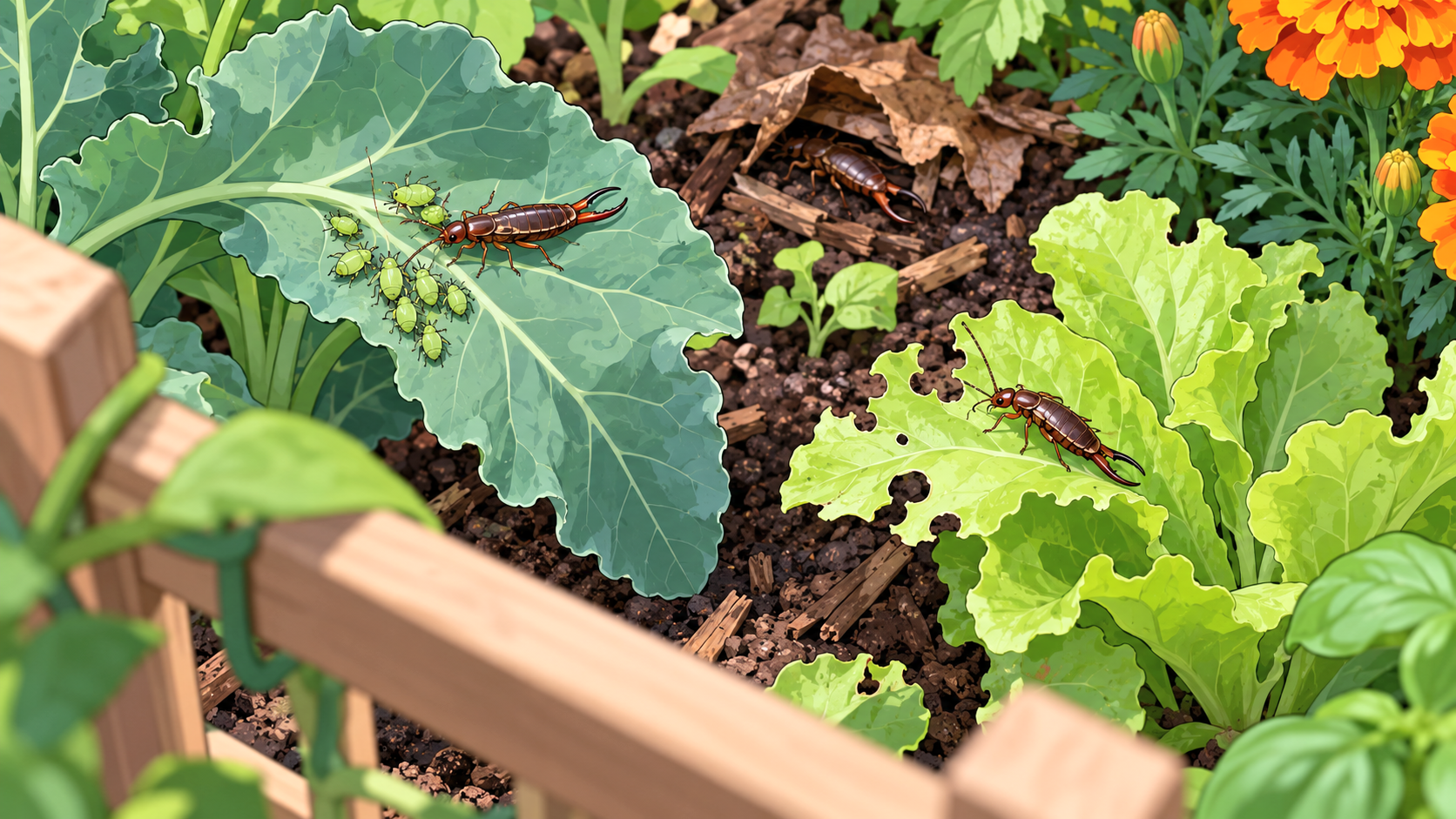
An earwig does not enter the garden looking for one particular meal. It may chew a flower petal, scavenge decaying vegetation and prey on a small insect during the same […]
Are Earwigs Good or Bad for Your Garden?
Finding earwigs beneath a flowerpot does not automatically mean something in the garden needs saving. The same insect that chews a hole through a dahlia petal can spend another night […]
Interesting Facts About Earwigs
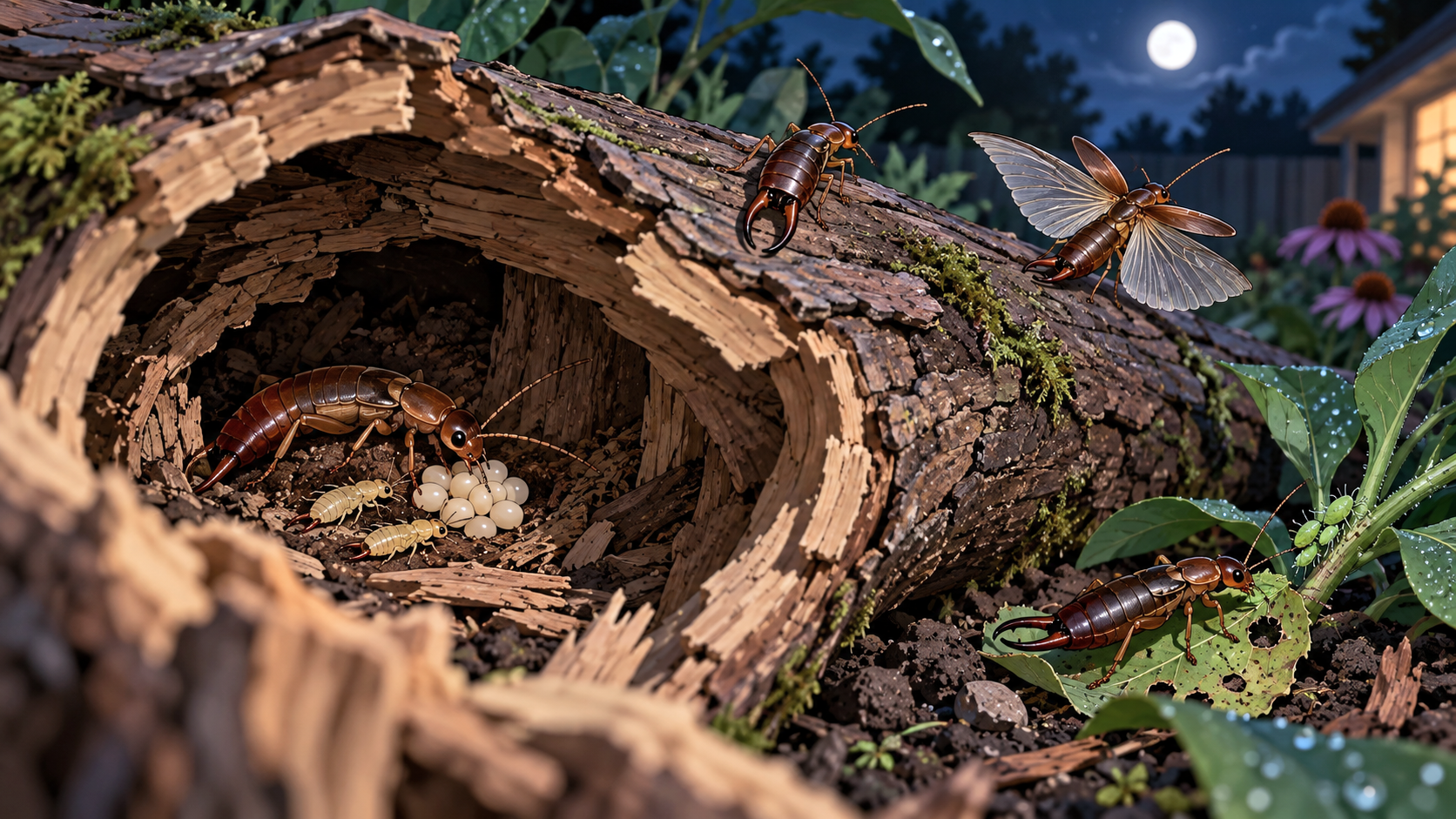
Earwigs are much stranger than the pincers on their rear suggest. They can have wings yet rarely fly, mothers actively care for their eggs and young, and some species release […]
What Do Baby Earwigs (Nymphs) Look Like?
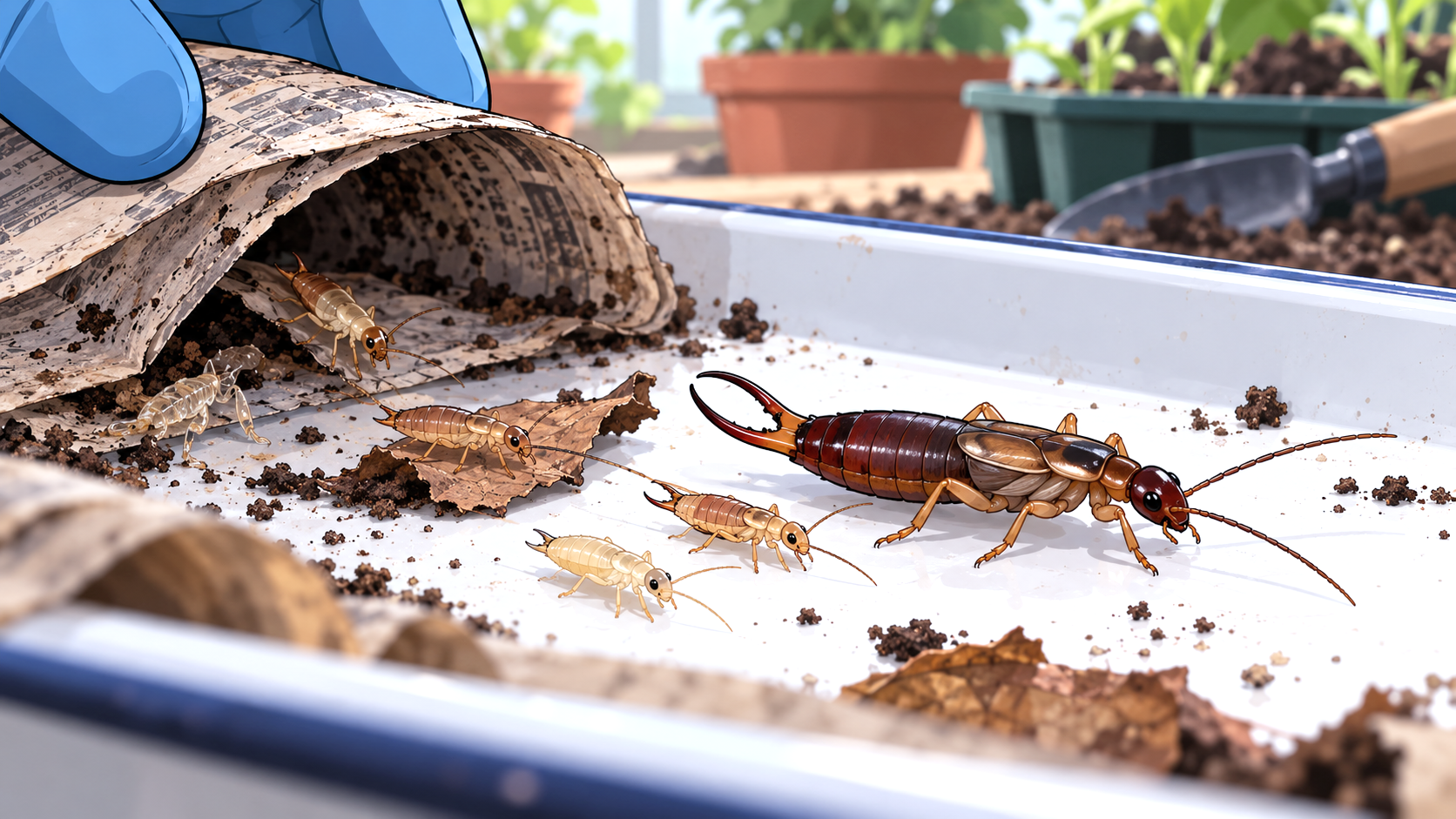
Baby earwigs, called nymphs, look like smaller and usually lighter versions of adult earwigs. They have elongated bodies, six legs, long antennae, and a pair of cerci at the rear. […]

What Attracts Earwigs to Begin With?
A yard can look perfectly tidy and still provide exactly what earwigs need. The attraction is often happening at ground level, where damp soil meets mulch, fallen leaves, flowerpots, dense […]
What Do Earwig Eggs Look Like?
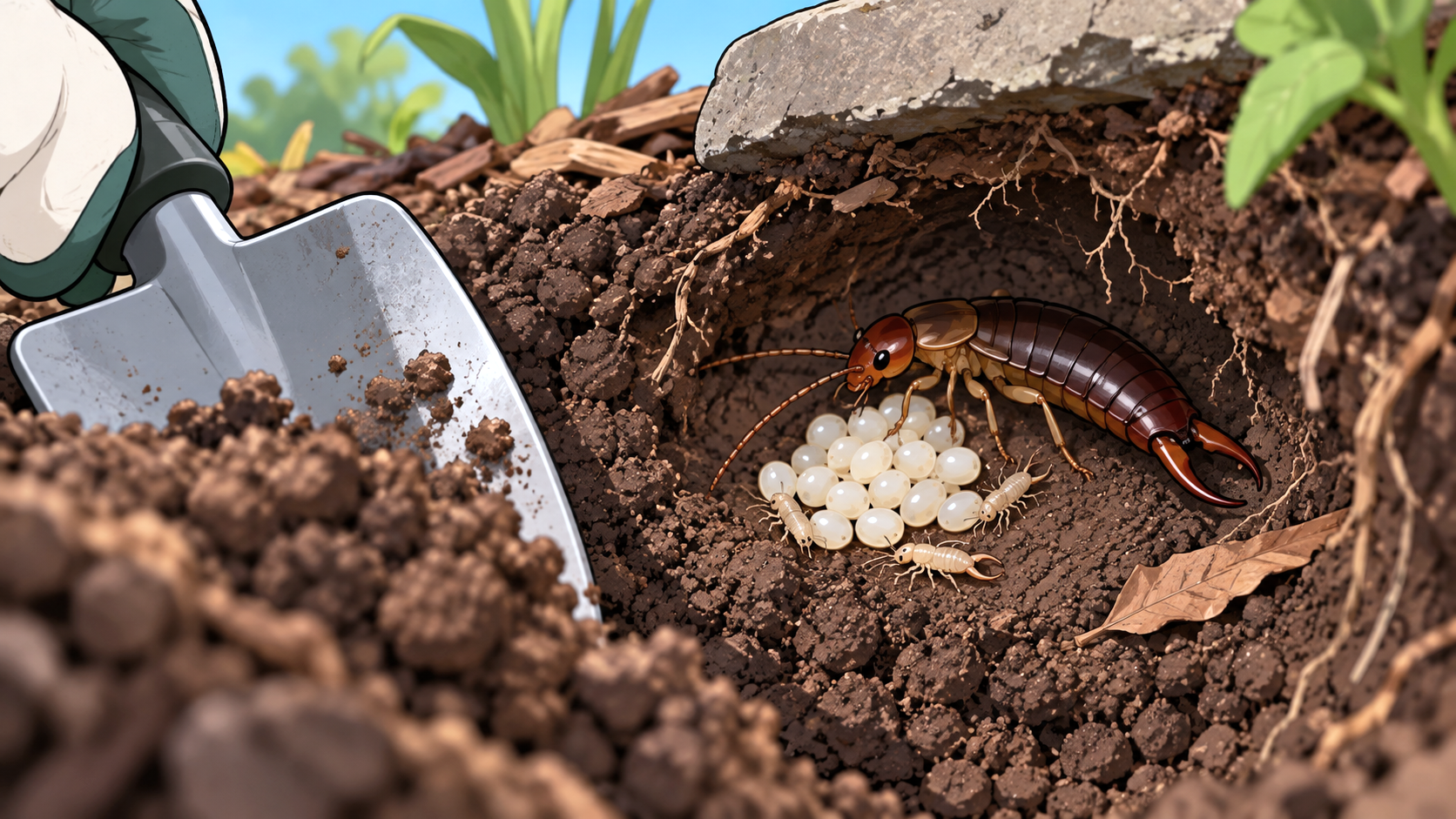
Earwig eggs are tiny, elliptical, and pearly white when freshly laid. European earwig eggs are about 1 millimeter long, roughly pinhead-sized, and females lay them together inside protected soil nests. […]