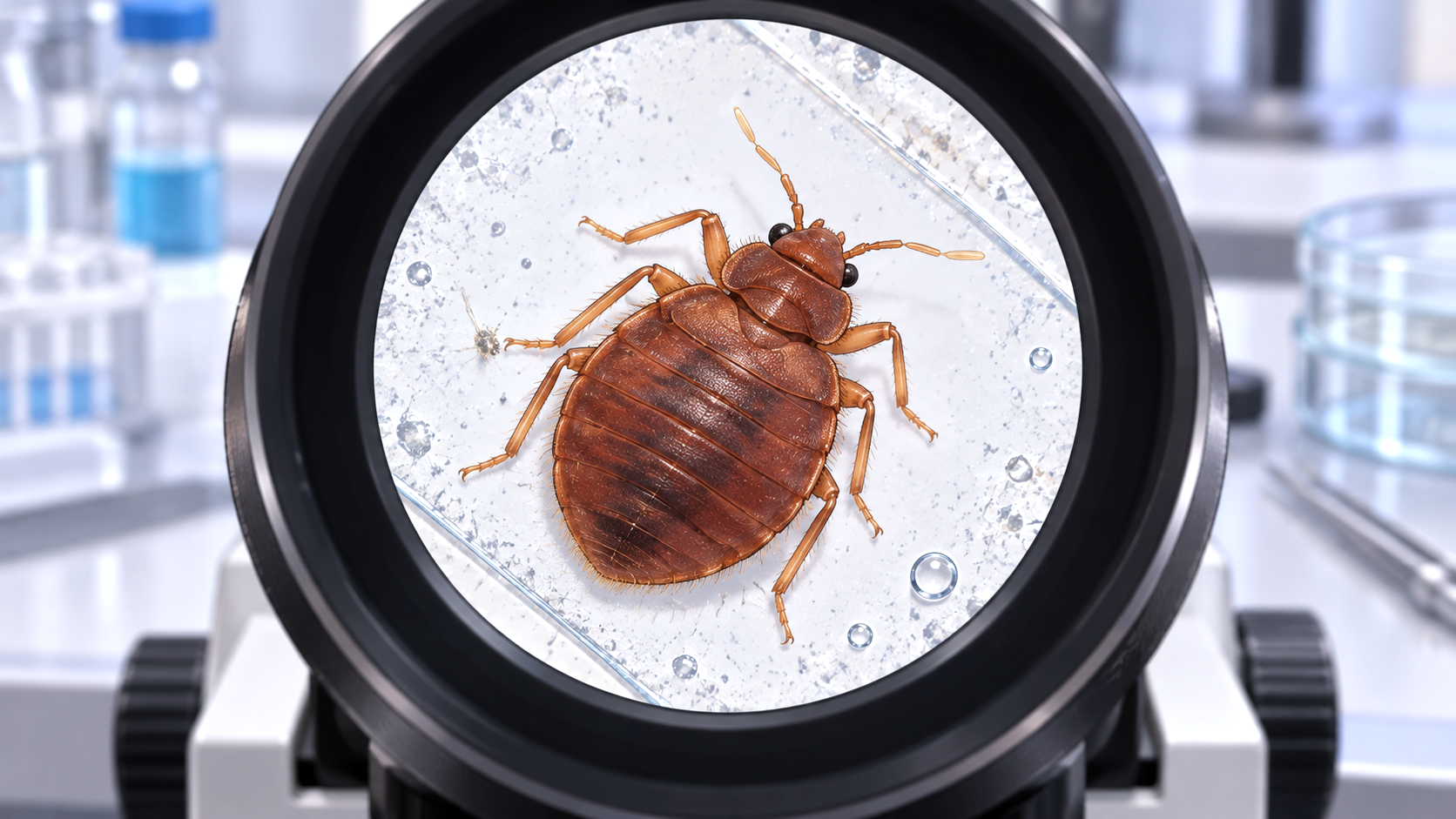
The scientific name most commonly meant by bed bug is Cimex lectularius. However, humans are regularly infested by two closely related species: the common bed bug, Cimex lectularius, and the […]
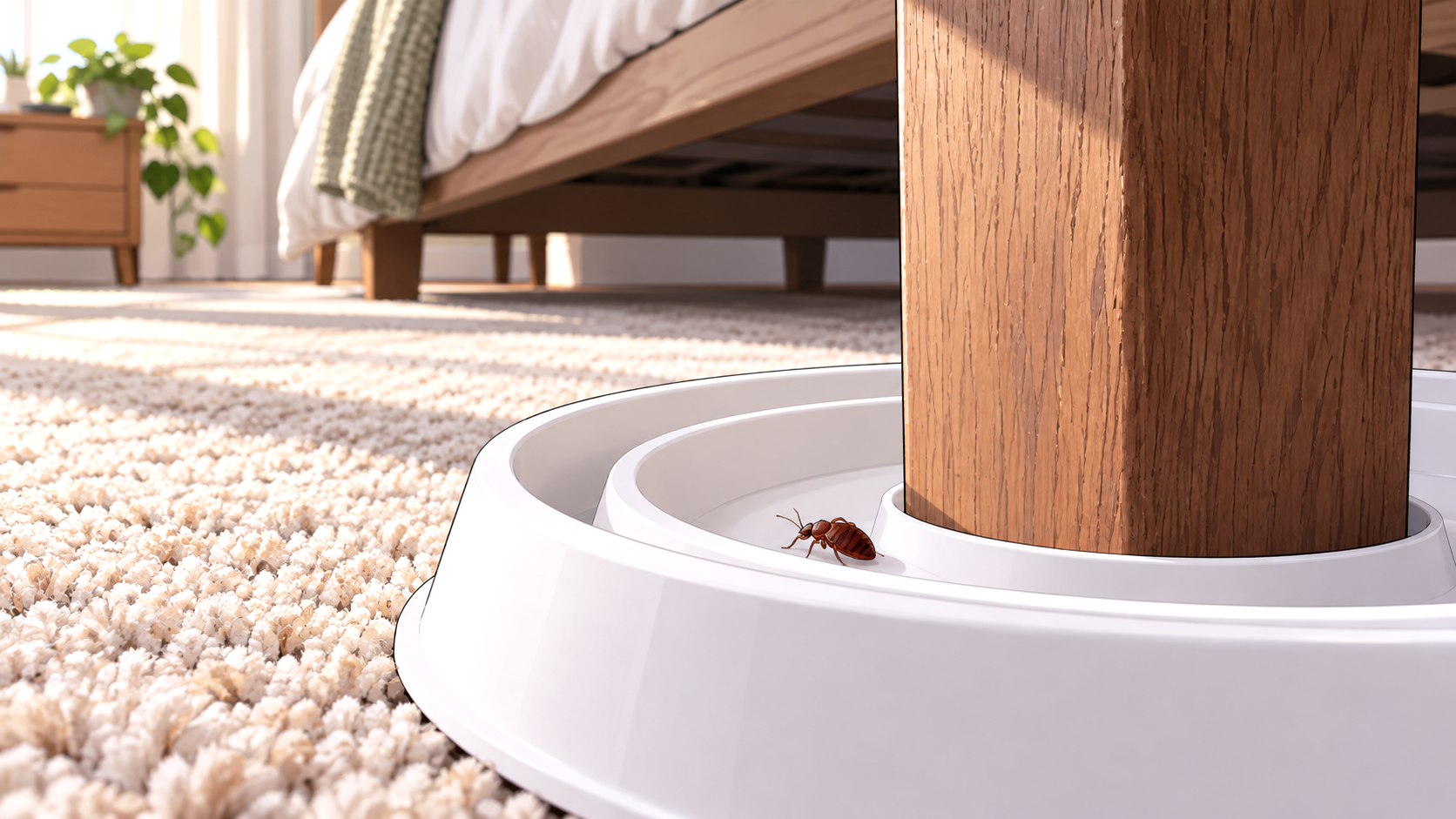
Do Bed Bug Traps Work?
Bed bug traps can work, but their value depends on the type of trap and what you expect it to do. Interceptor traps are particularly useful for detecting low-level infestations […]
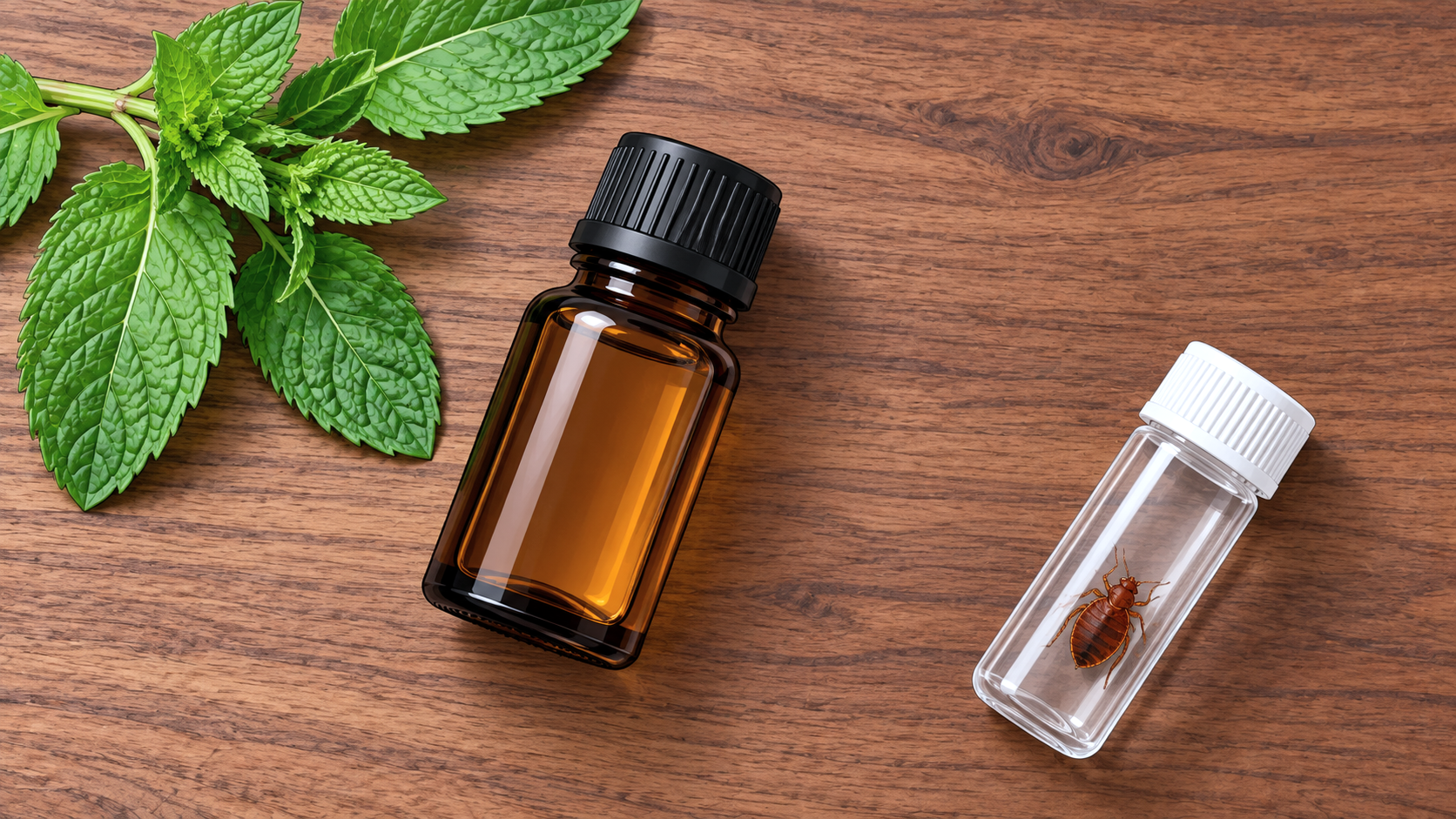
Does Peppermint Oil Kill Bed Bugs?
Peppermint oil can injure or kill bed bugs when sufficiently concentrated material contacts them directly, but it is not a dependable way to eliminate an infestation. The amount reaching hidden […]
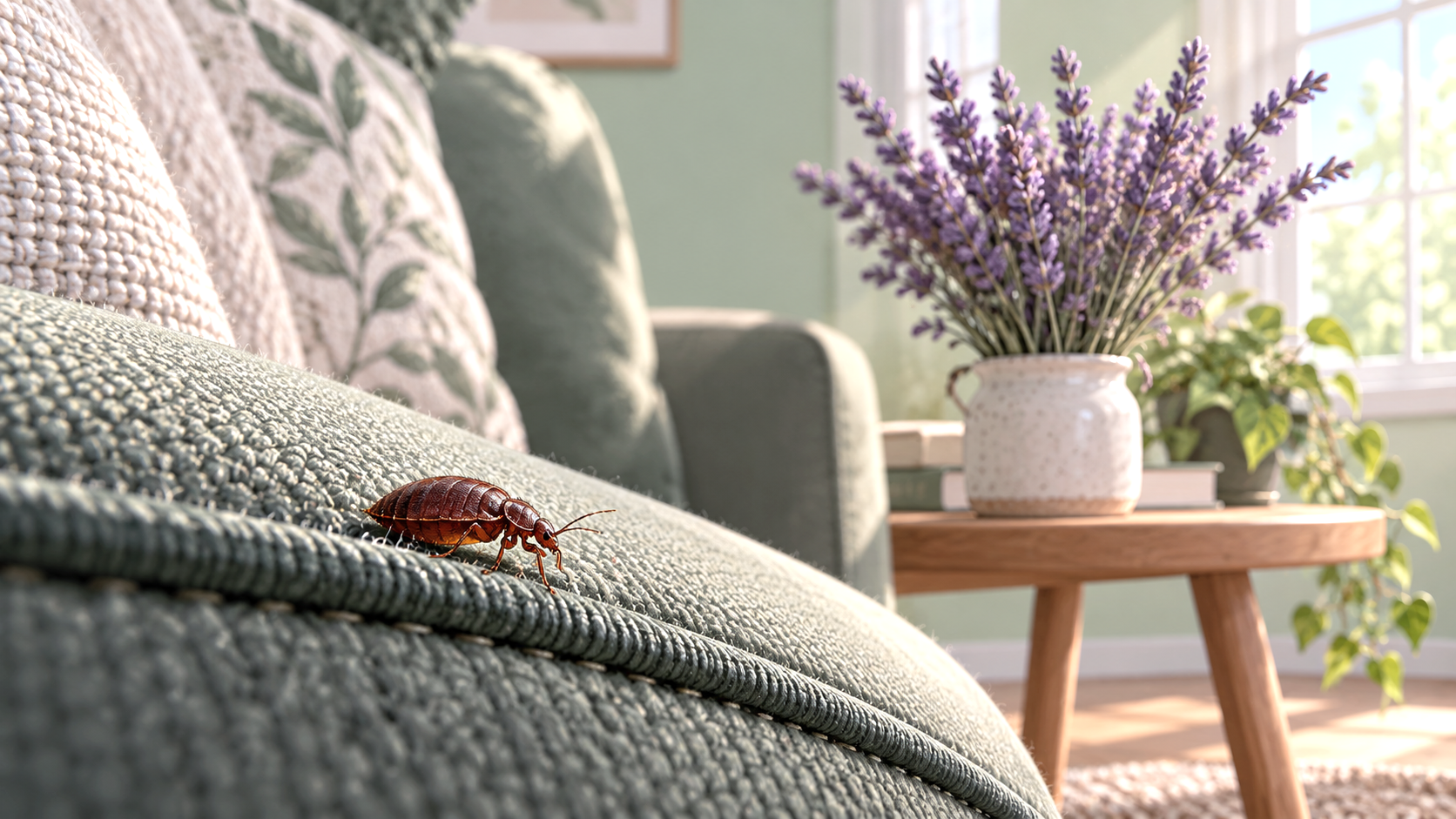
Does Lavender Kill Bed Bugs?
Lavender is not a reliable way to kill bed bugs. One of its major fragrance compounds, linalool, can affect the bed bug nervous system and has shown toxicity under controlled […]
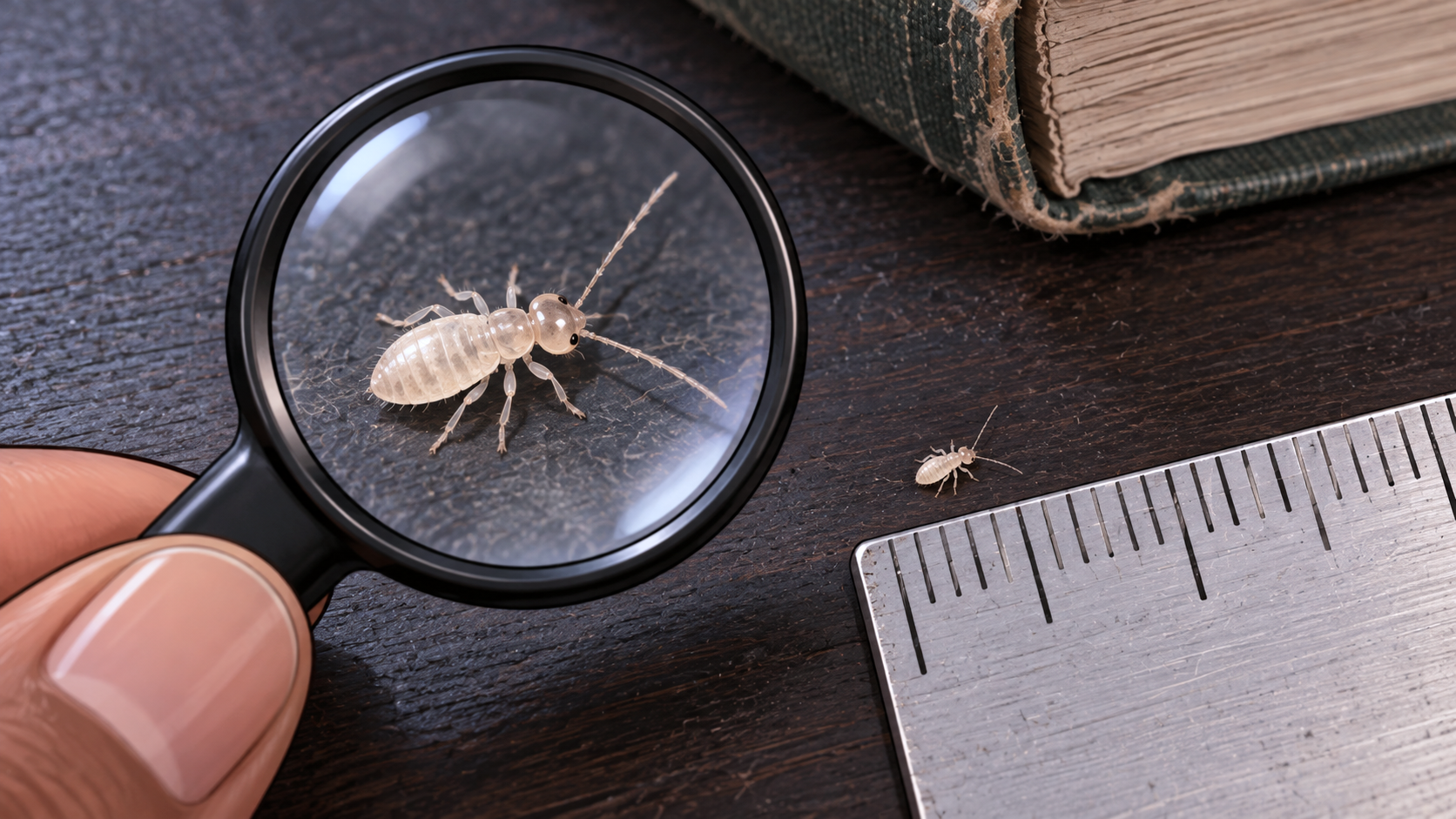
How Big Are Booklice, and Can You See Them?
Booklice are visible to the naked eye, but they are extremely small. Common indoor booklice are usually about 1 to 2 millimeters long, so an adult may look more like […]
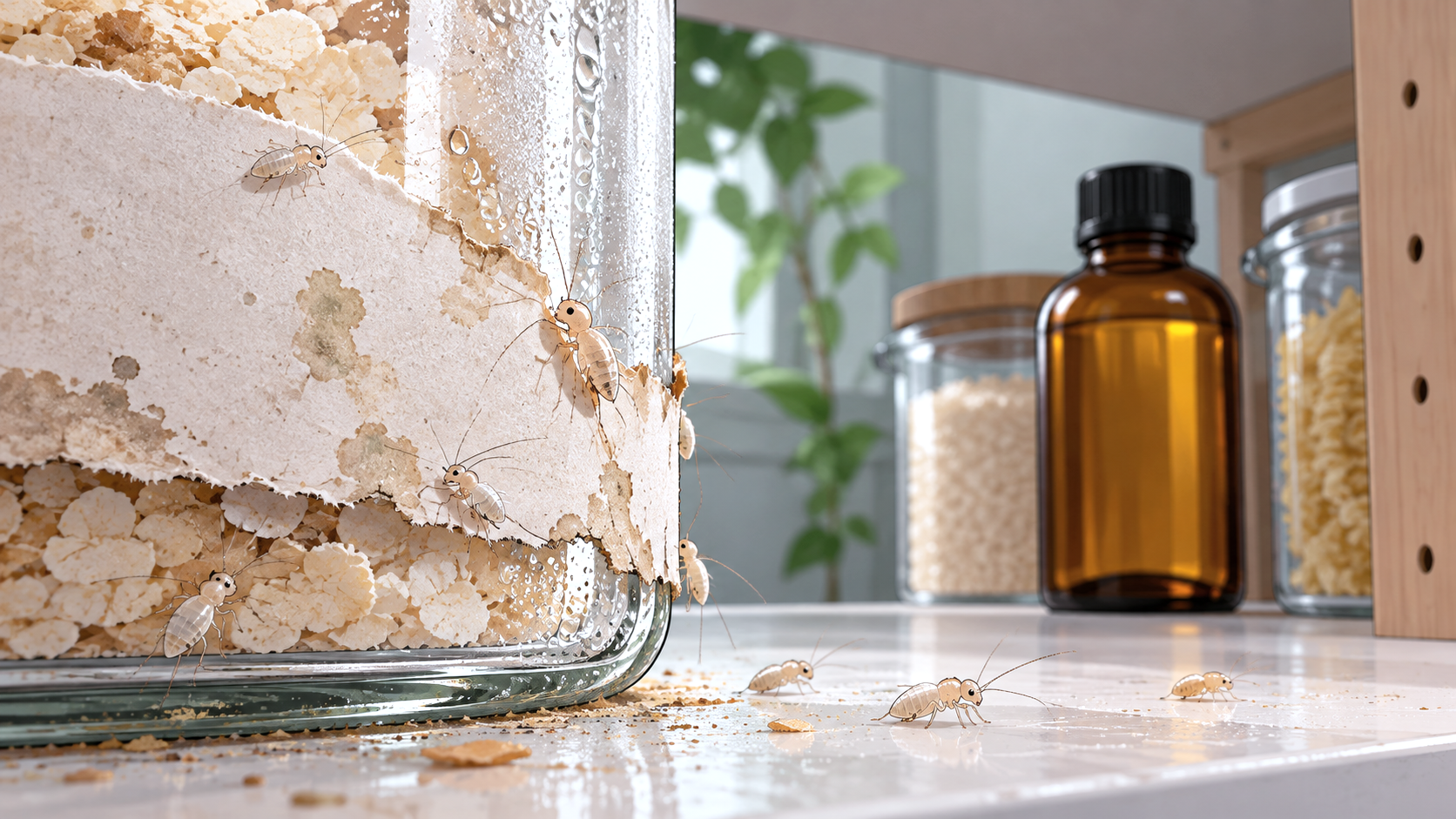
Does Neem Oil Kill Booklice?
Neem oil has insecticidal and repellent properties, but there is not good direct evidence showing that ordinary neem-oil sprays reliably kill household booklice or eliminate an infestation. Azadirachtin can disrupt […]
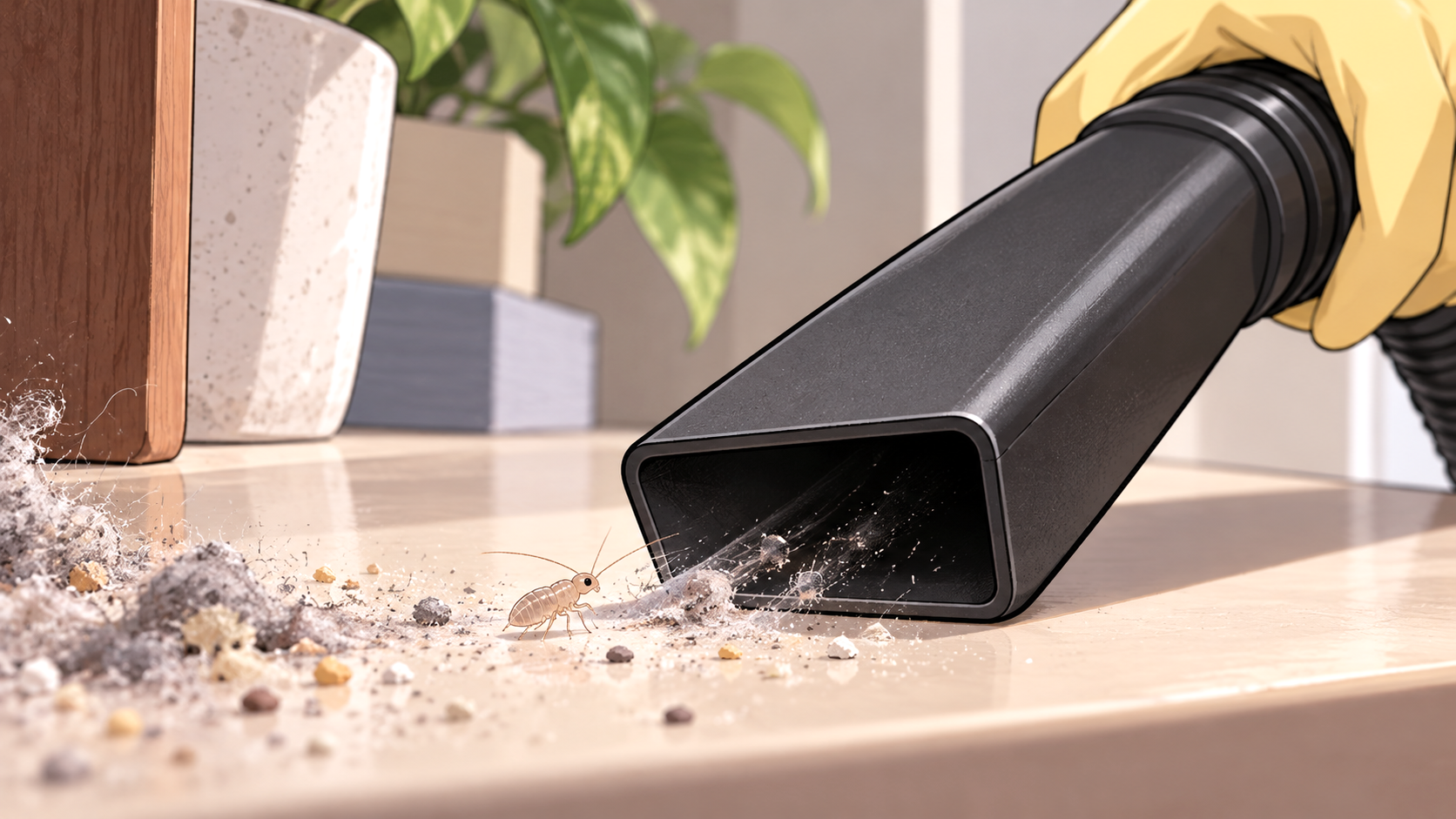
What Kills Booklice Instantly?
If by “instantly” you mean an exposed booklouse stops moving almost immediately, direct-contact insecticides containing pyrethrins can provide rapid knockdown when the product label specifically permits use against booklice. Vacuuming […]
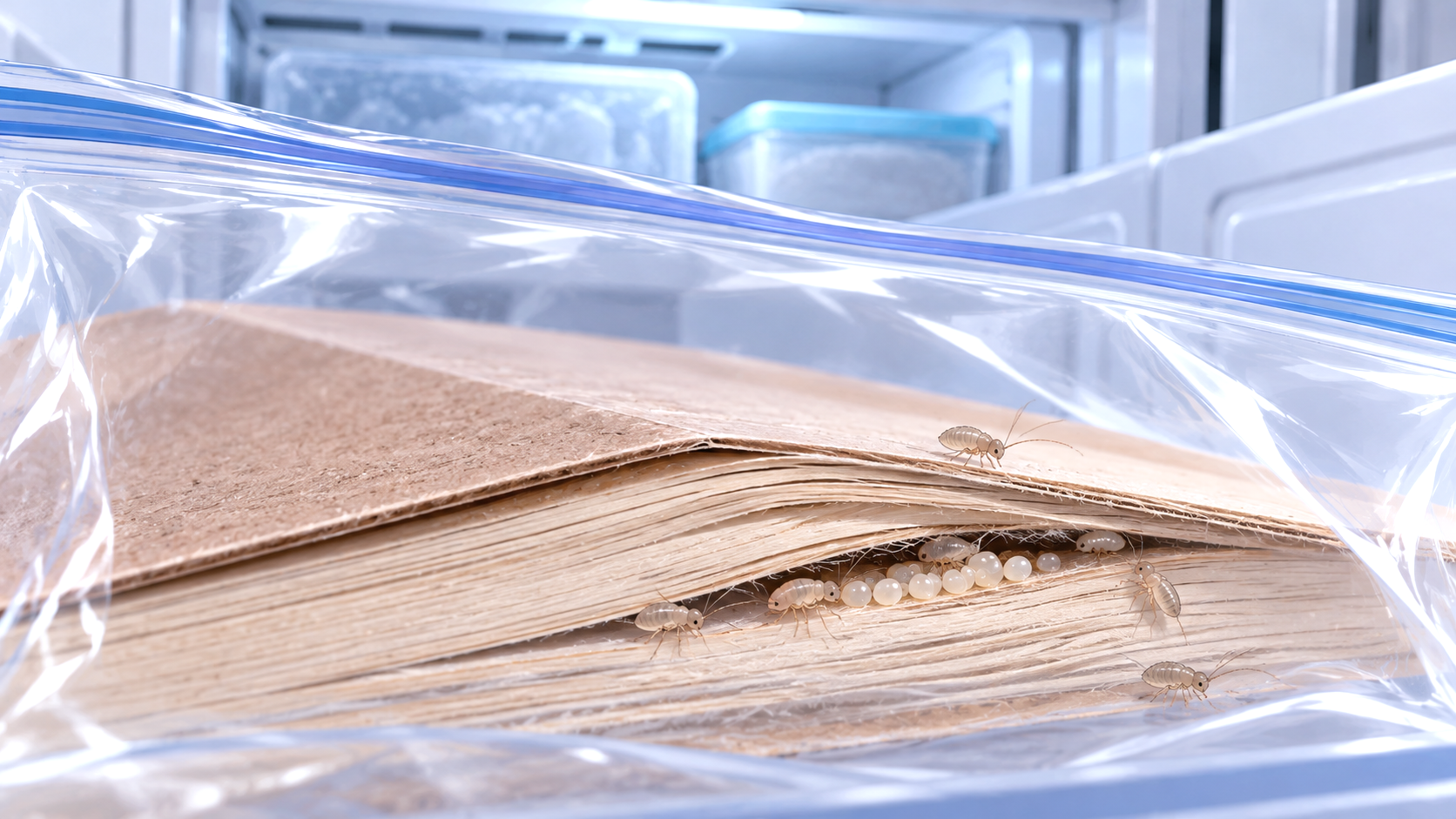
What Kills Booklice Eggs?
Booklice eggs can be killed by sustained heat, prolonged freezing, and sufficiently dry conditions. Eggs are often the most treatment-resistant life stage, so killing visible adults does not prove the […]
Does Raid Kill Booklice?
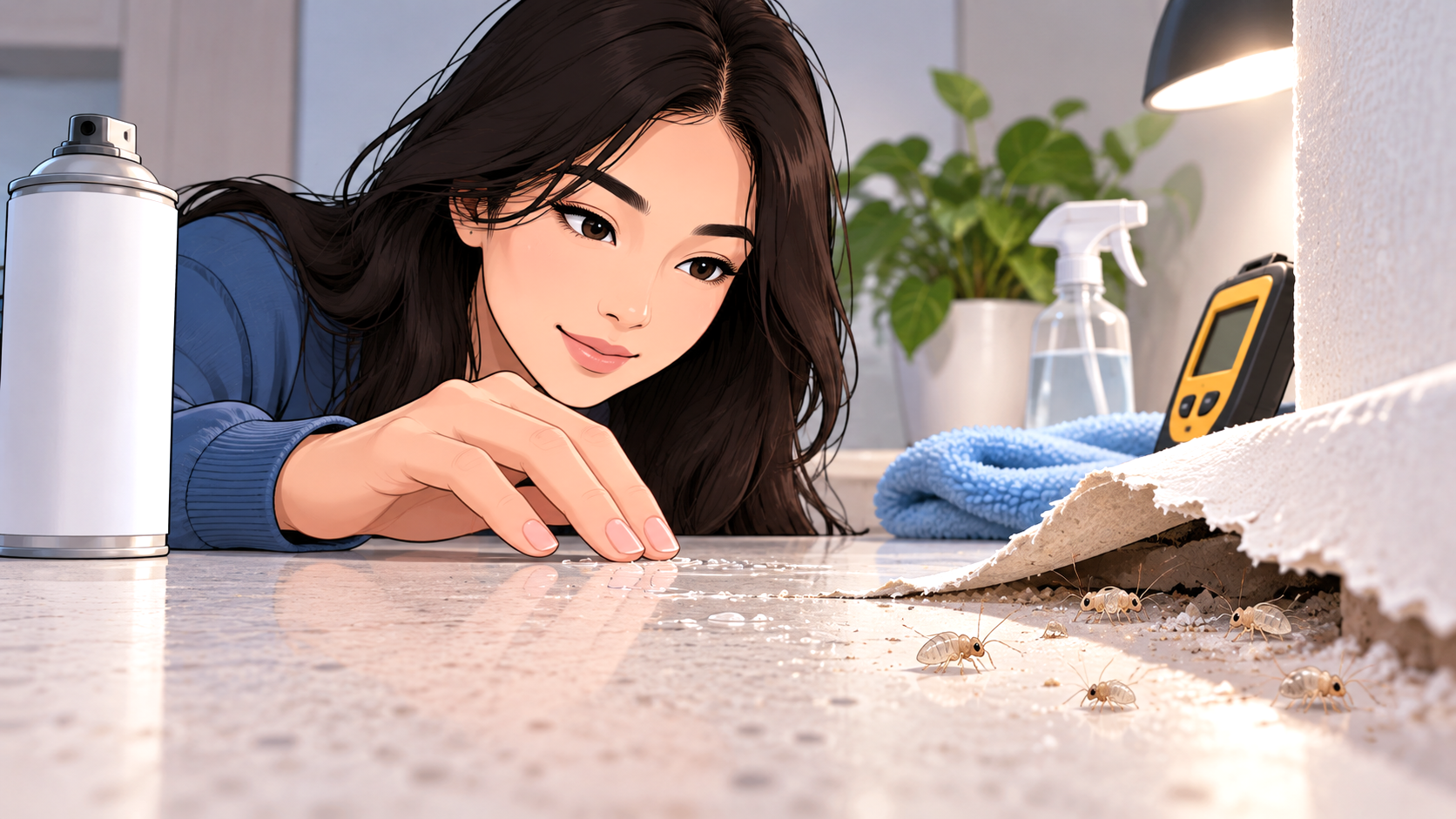
Some Raid insect sprays can kill exposed booklice, but “Raid” is a brand rather than one insecticide, so the answer depends on the exact product. Current Raid sprays use different […]
Do Mothballs Kill Booklice?
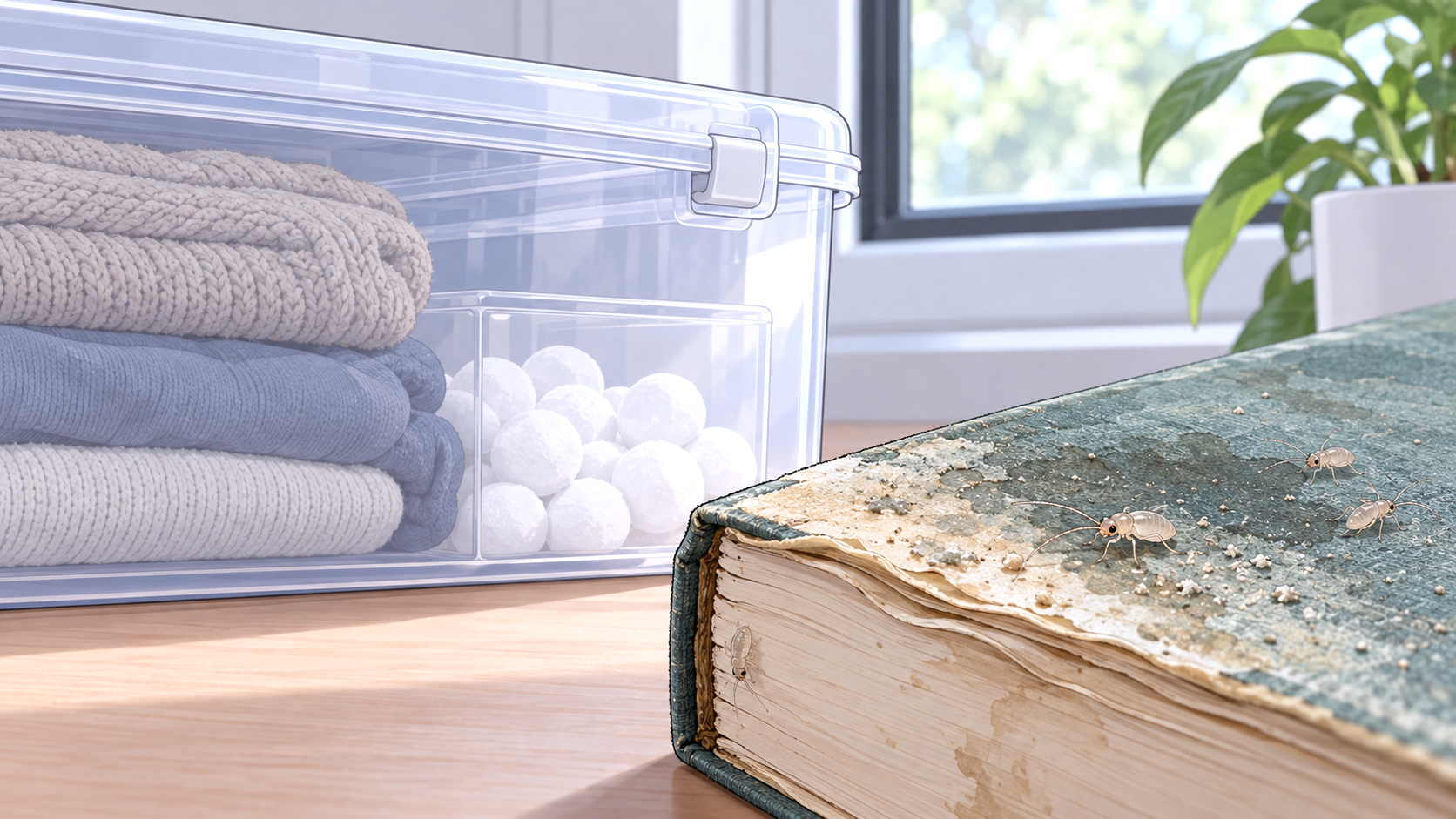
Mothballs release insecticidal vapors, so sufficiently concentrated naphthalene or paradichlorobenzene fumes may be toxic to booklice. That does not make mothballs an appropriate booklice treatment. Mothball products are designed for […]