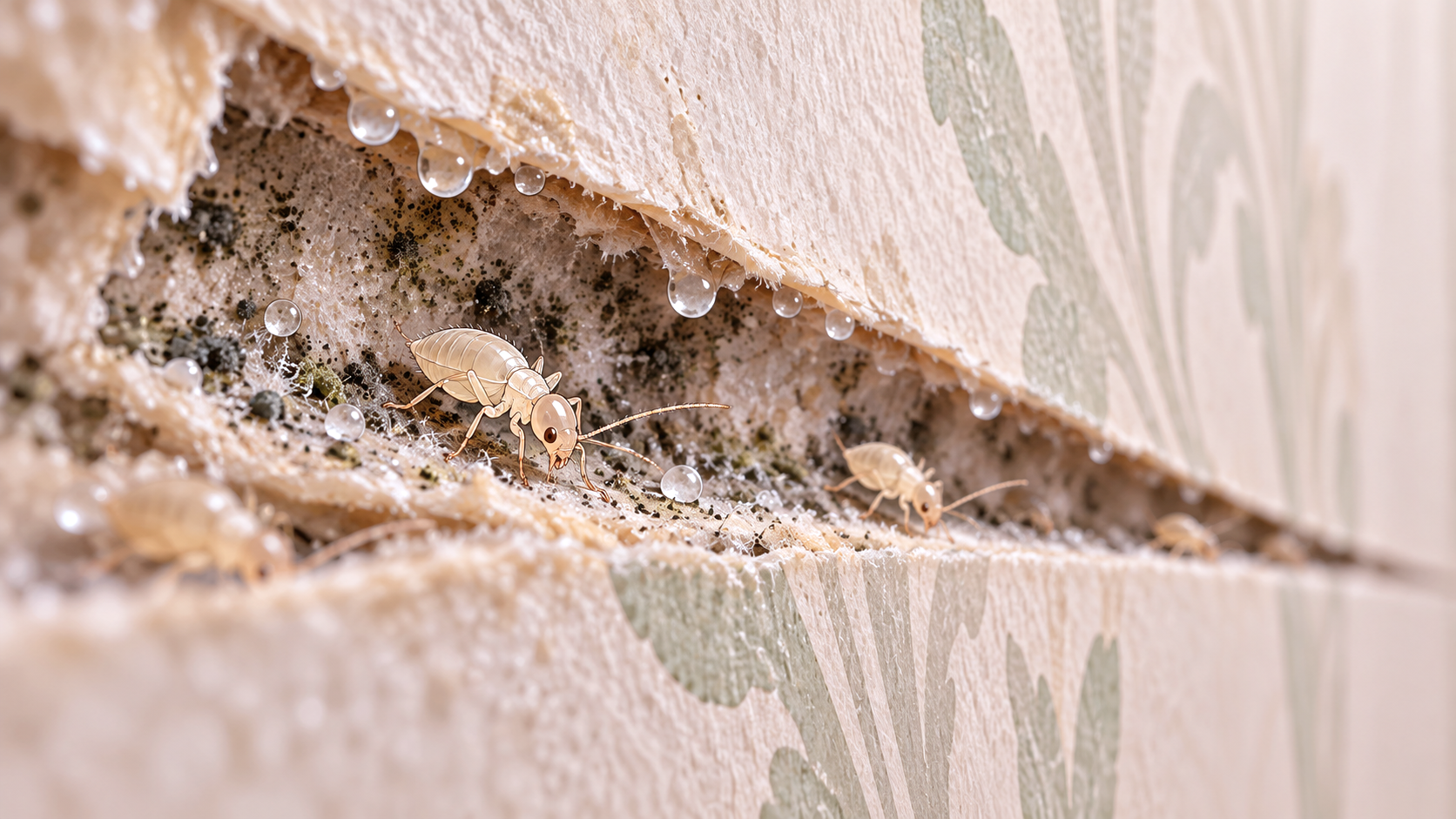
Booklice can be a sign that an area is damp enough to support mold, but finding them does not prove you have a serious or visible mold infestation. They commonly […]
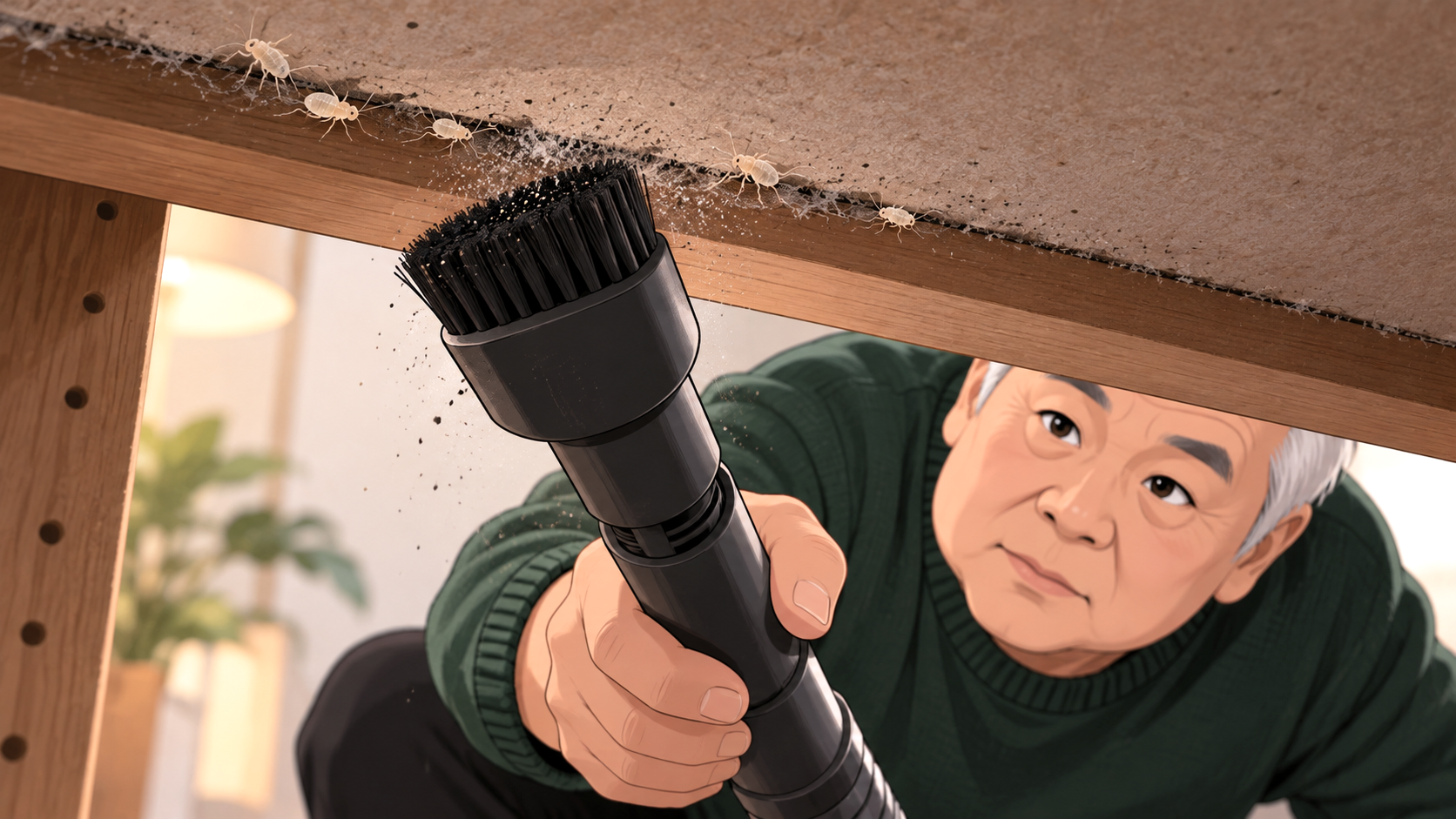
Can You Vacuum Booklice?
You can vacuum booklice, and for small numbers it is one of the simplest ways to remove them immediately without applying pesticide. Vacuuming is most useful for insects already exposed […]
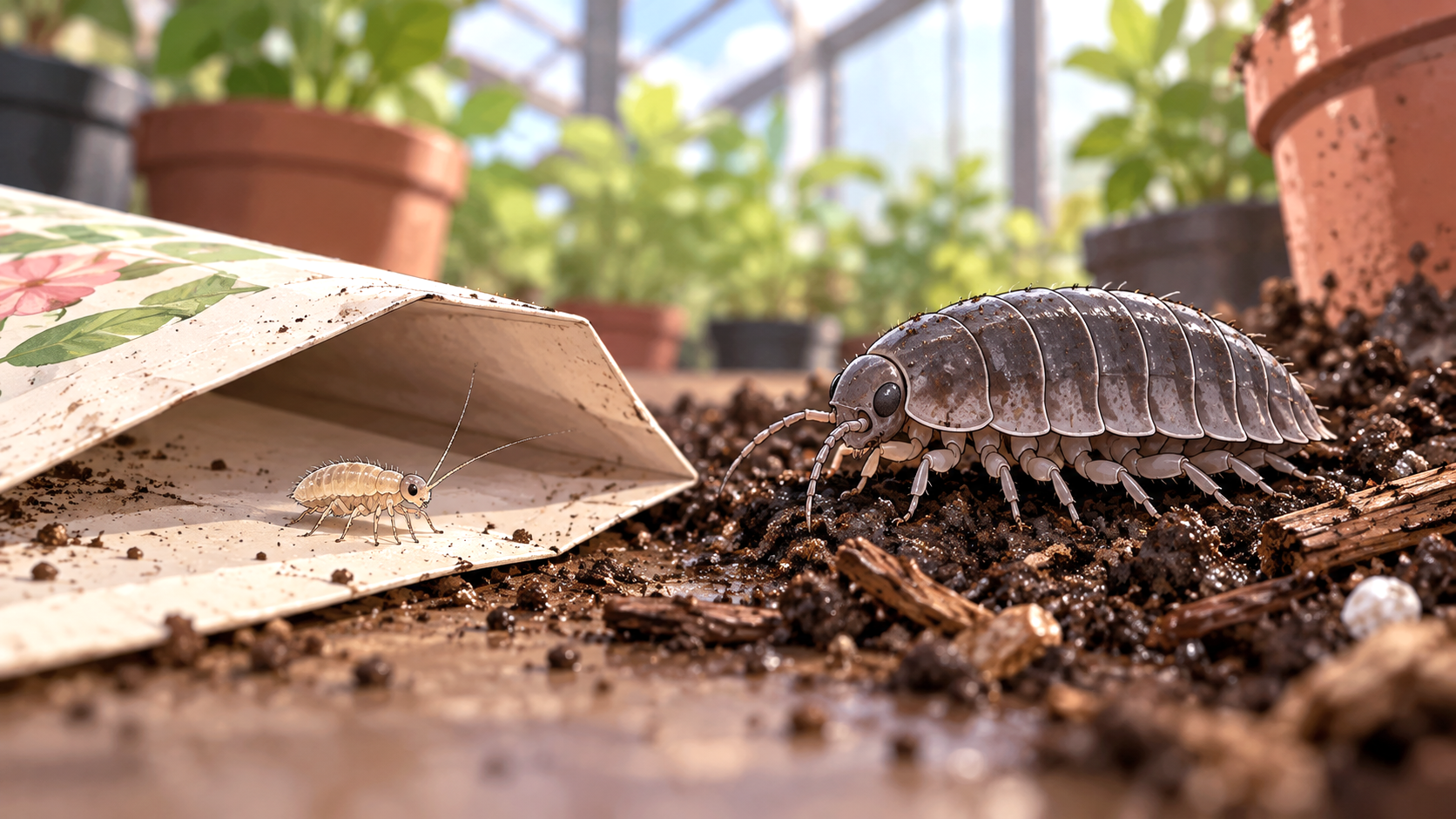
Booklice vs Woodlice
Booklice and woodlice are not closely related pests. Booklice are tiny six-legged insects, while woodlice are terrestrial crustaceans with seven pairs of legs and a hard, segmented body. Woodlice are […]
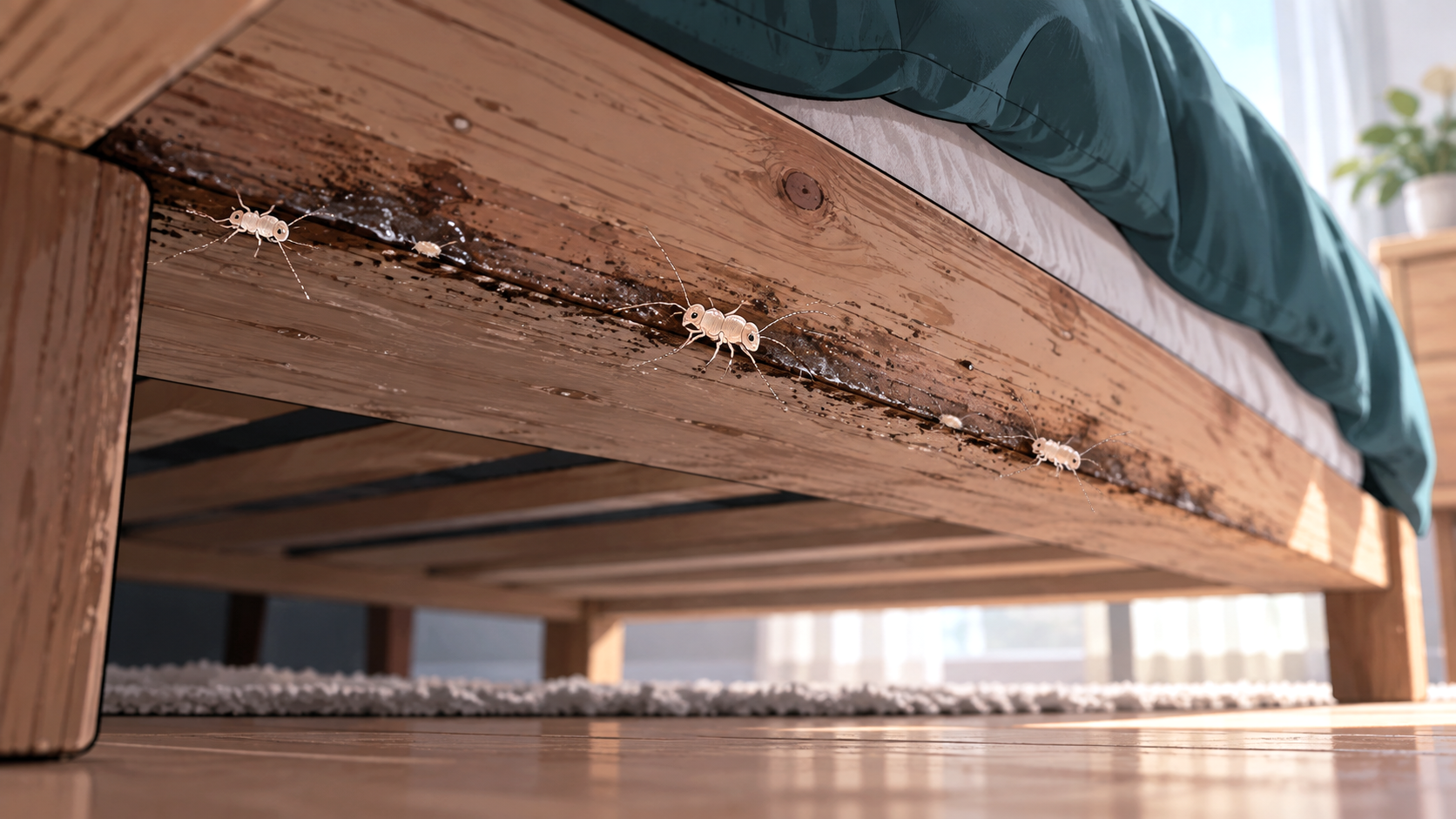
Can Booklice Live in Your Bed?
Booklice can live in a bed if the mattress, bed frame, bedding, or material around it stays humid enough to support them and their food. They are not attracted to […]
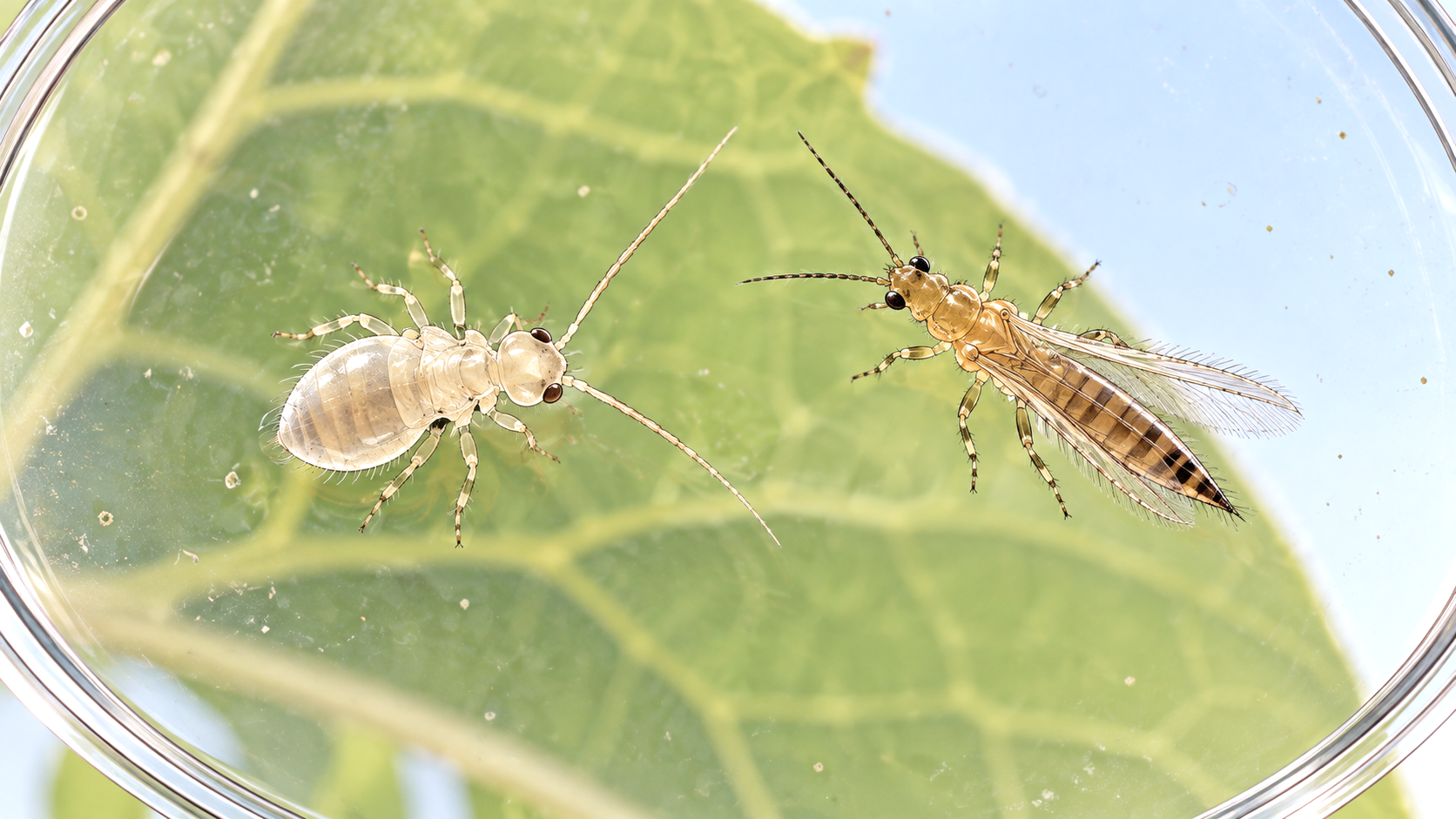
Booklice vs Thrips
Booklice and thrips can overlap in size and color, but their surroundings often expose the difference before magnification does. Thrips are narrow, elongated insects commonly associated with plants, while booklice […]
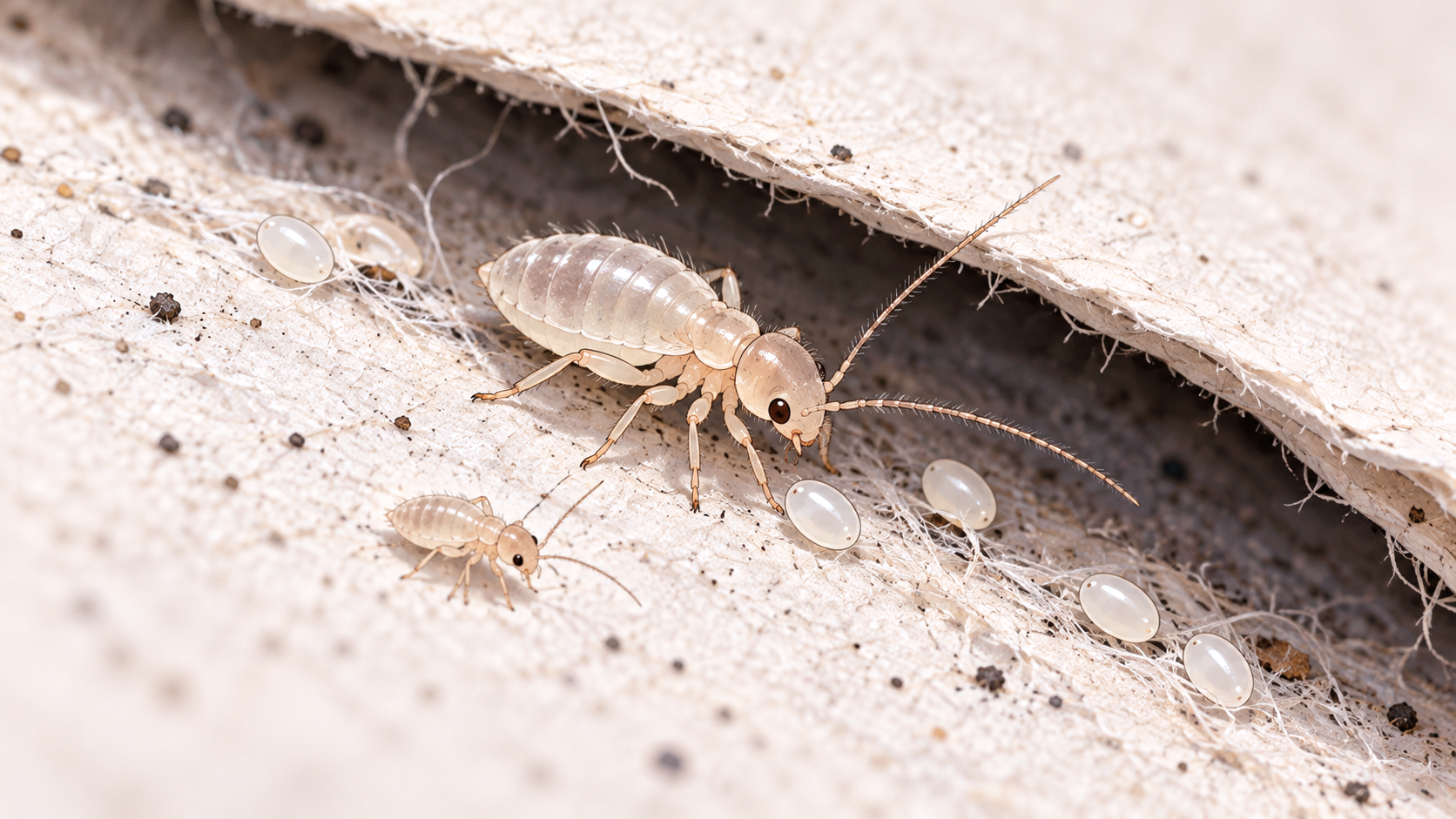
How Do Booklice Reproduce, and How Many Eggs Do They Lay?
Booklice reproduce by laying eggs, but there is no single egg total that applies to every species. Some common indoor species can reproduce without mating, and laboratory studies of Liposcelis […]
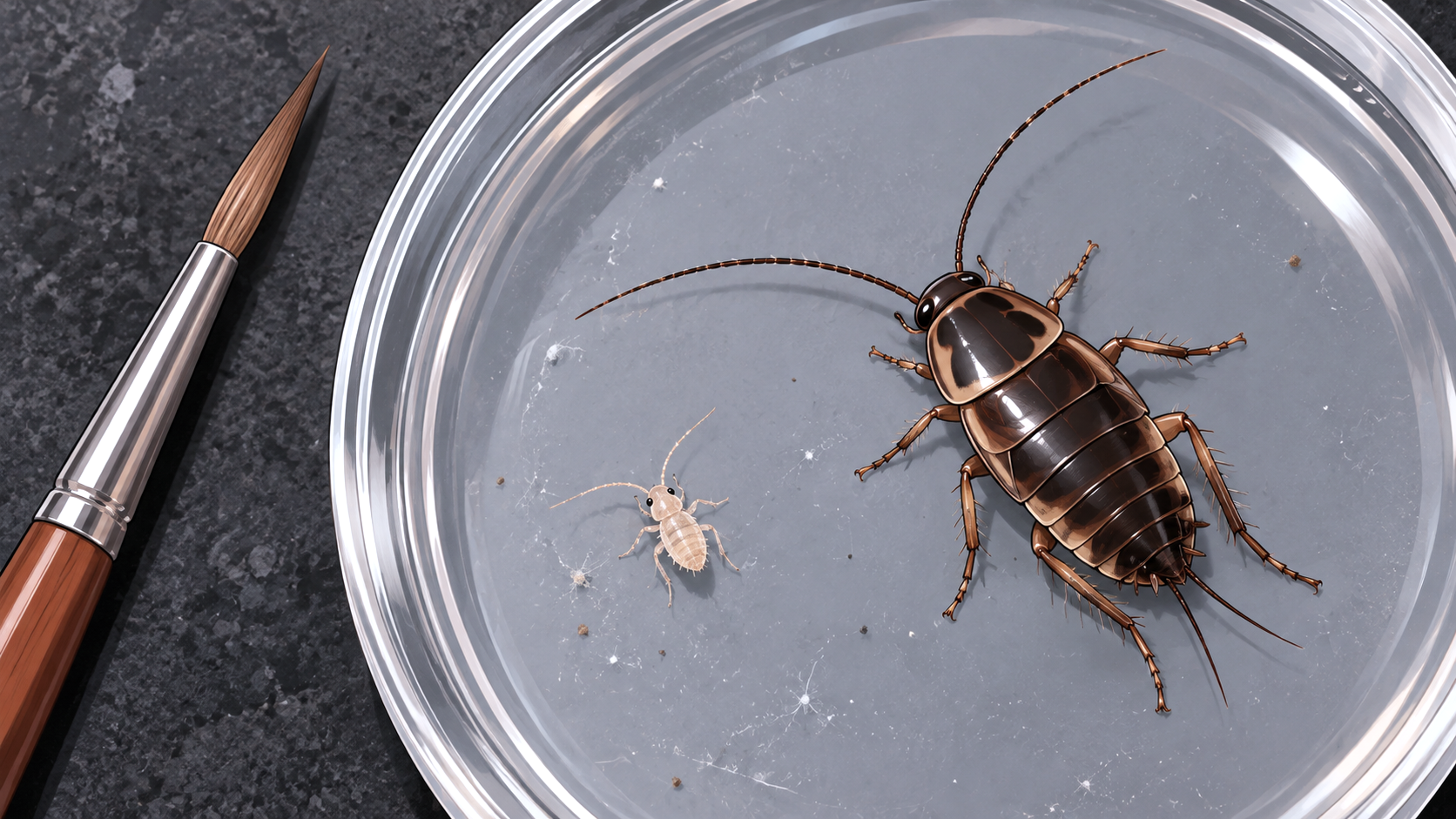
Booklice vs Baby Cockroaches
Booklice and baby cockroaches can overlap in size, especially when the cockroach has only recently hatched, but their proportions are different. Booklice have a conspicuously broad head, delicate body, and […]
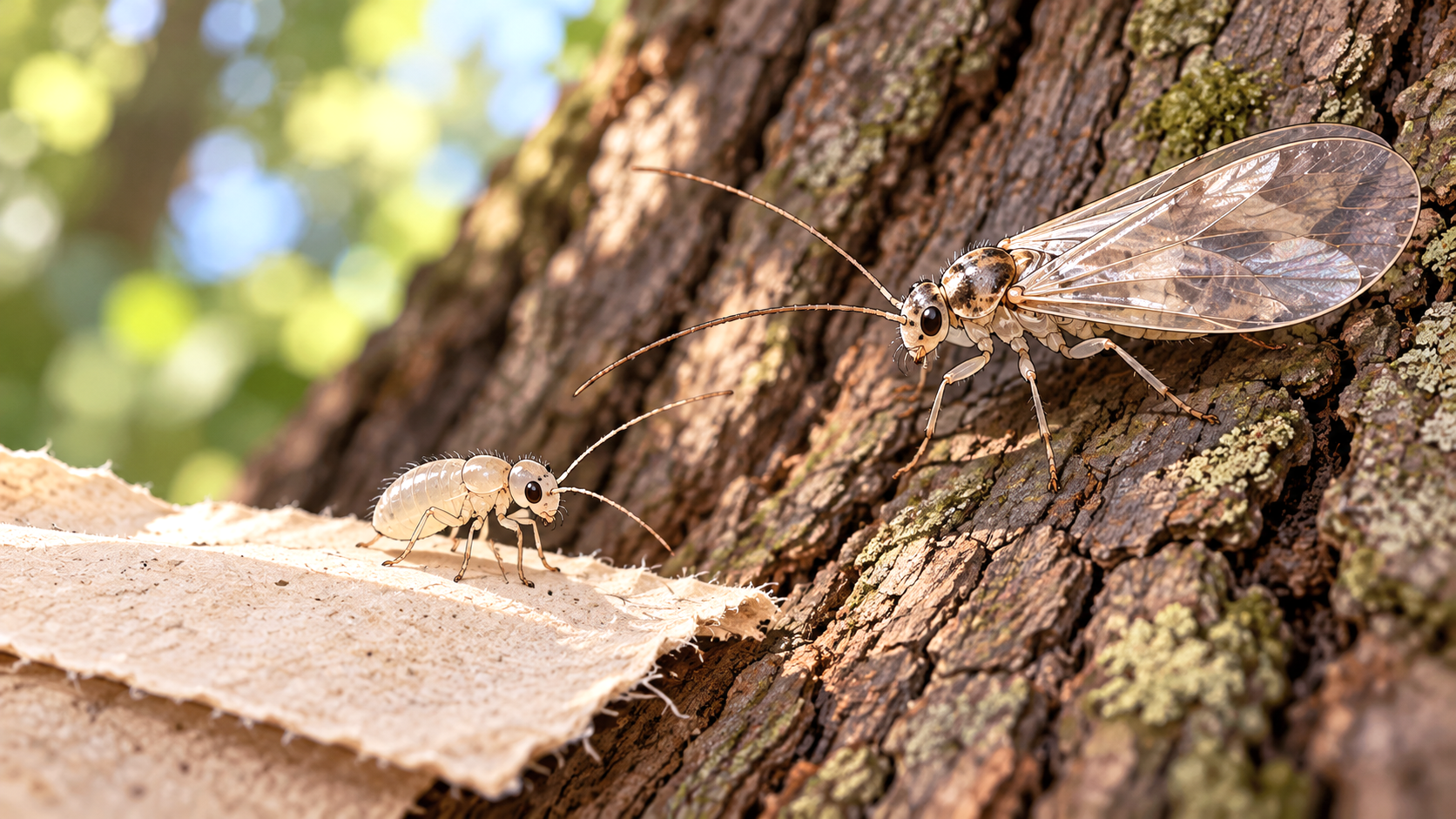
Booklice vs Barklice
Booklice and barklice are closely related psocids, but the names usually describe different lifestyles rather than two neatly separated taxonomic groups. Booklice are the tiny forms most often found indoors […]
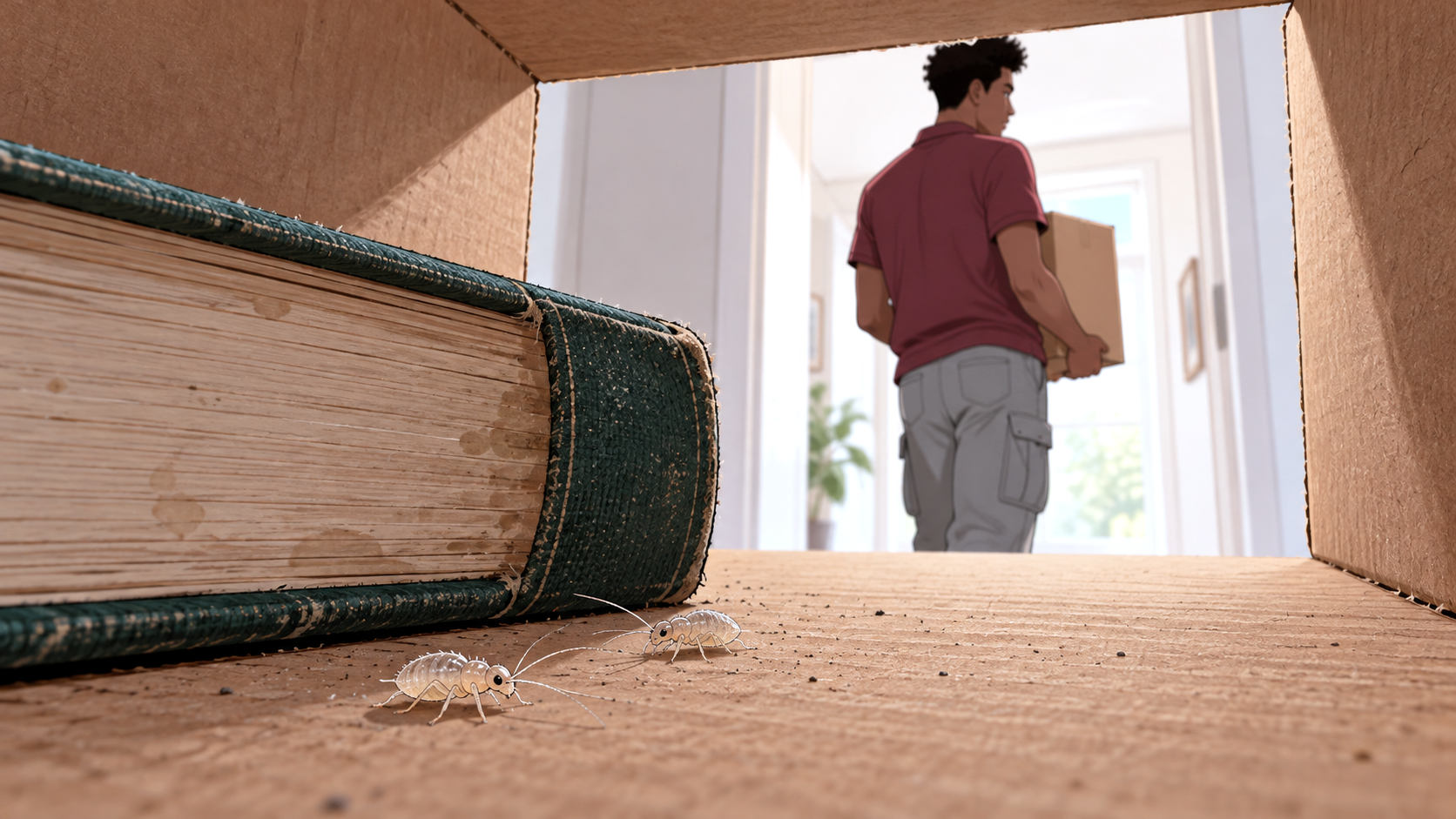
How Do Booklice Spread From Room to Room?
Booklice spread between rooms mainly by crawling through connected parts of a building and being carried on infested objects. Common household booklice are usually wingless, so they do not need […]
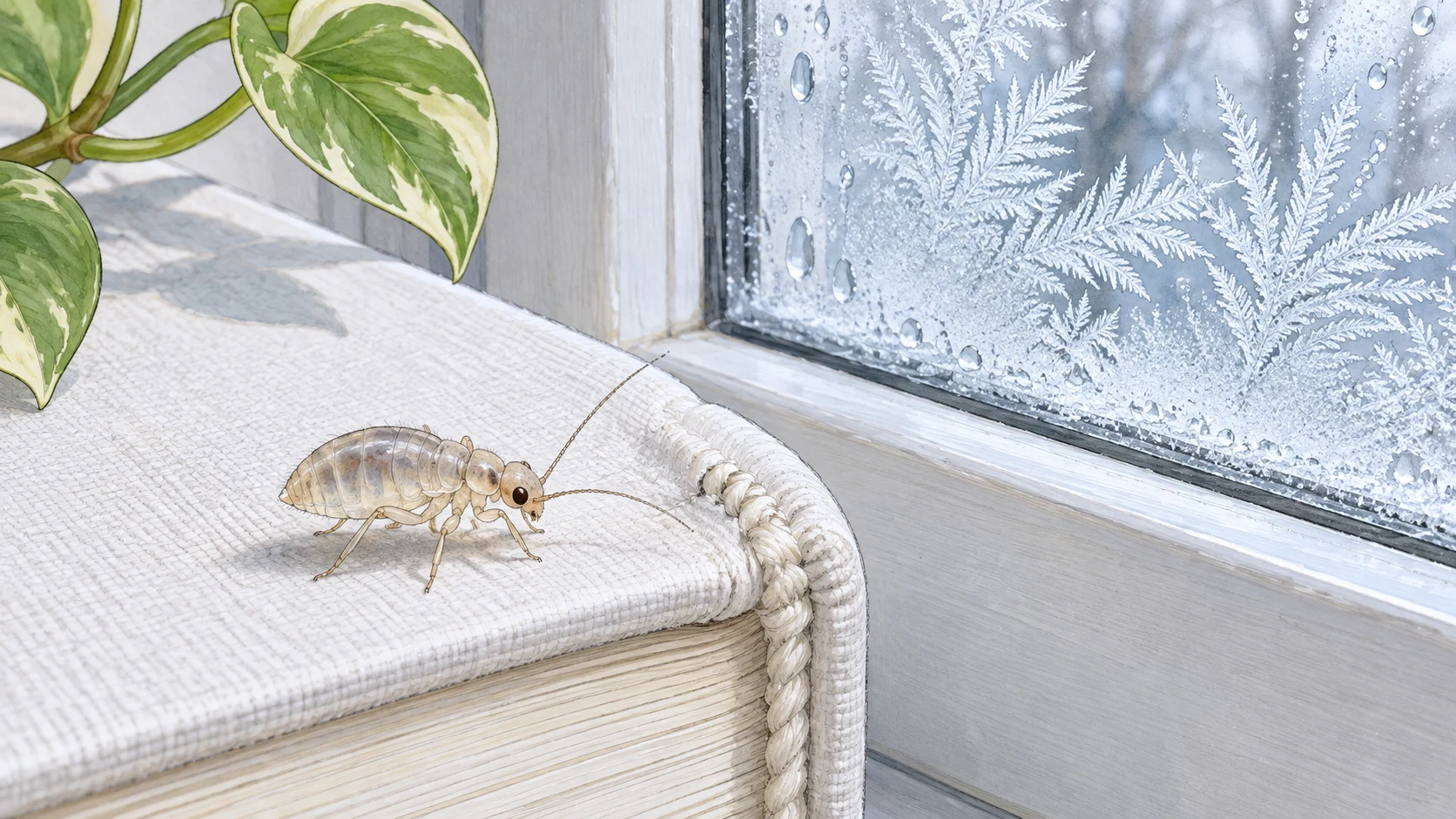
Do Booklice Go Away in the Winter?
Booklice often become less noticeable during winter, but winter itself does not automatically kill them. In cold climates, indoor heating can lower relative humidity enough to make many rooms unsuitable, […]