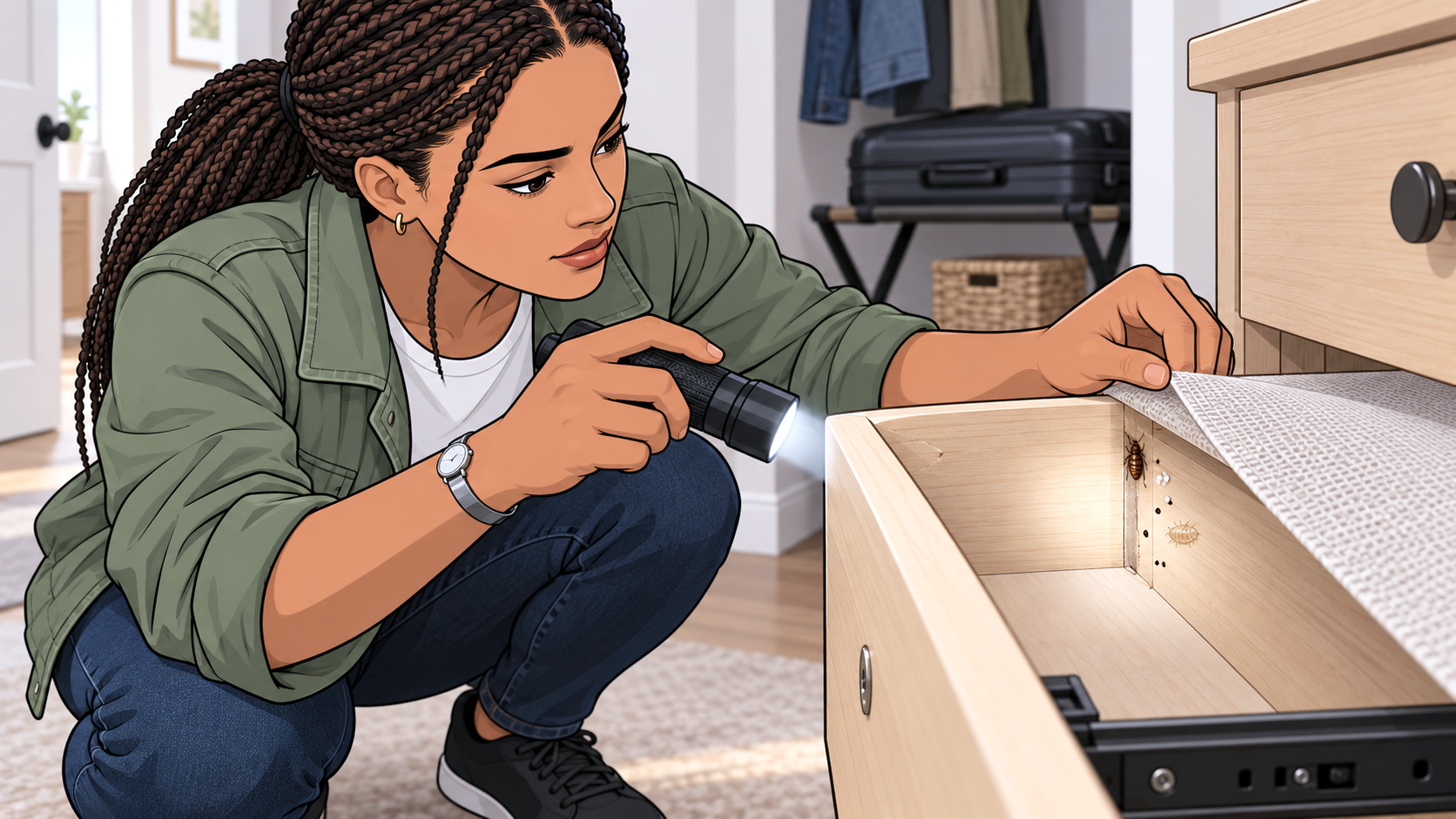
The earliest signs of bed bugs are often easier to find on the bed than on your skin. Small fecal spots, shed skins, eggs, or an actual bed bug can appear before you recognize a pattern of bites, especially because some people have delayed reactions or no visible reaction at all. If you have a reason to suspect bed bugs, don’t wait for itching. Inspect the mattress, bed frame, headboard, and nearby furniture for physical evidence.
Bite Marks Aren’t a Reliable Early Sign
Bed bug bites are highly variable. According to the CDC, some people develop no physical signs at all, while visible marks can take one or several days to appear and occasionally as long as 14 days.
Controlled research also shows that reactions can change with repeated exposure. In one study, participants who initially developed delayed reactions began reacting progressively faster after subsequent bites. That demonstrates why the timing and appearance of bites can differ substantially between people and even within the same person over time.
An absence of bites therefore doesn’t rule out an infestation. Physical evidence around the sleeping area is much stronger evidence.
Small Dark Spots Around the Bed
One of the first things worth looking for is dark fecal spotting around bed bug harborages. These spots are digested blood excreted by the bugs and may appear on mattress seams, fabric, bed frames, headboards, and nearby surfaces.
They can resemble tiny dark brown or black ink marks, particularly when deposited on absorbent material. Learning what bed bug feces look like can help distinguish suspicious spotting from ordinary dirt.
You may also notice rusty or reddish stains on sheets or bedding when a recently fed bug is crushed. These are different from the darker fecal marks, as explained in bed bug stains and smears on sheets.
Shed Skins and Eggs
Bed bug nymphs shed their exoskeleton as they develop through five immature stages. The discarded skins are pale, hollow versions of the insect and can accumulate around hiding places.
Even a small number is worth investigating because it shows that a bed bug has been developing in that area. Bed bug shed skins and casings are especially easy to overlook among dust and debris around a bed frame.
Eggs are another strong sign. They’re tiny, whitish, about 1 millimeter long, and usually attached to protected surfaces rather than scattered loosely across the bed.
A Live Bed Bug Is the Clearest Sign
Finding and correctly identifying a live bed bug is stronger evidence than any bite pattern. Early infestations can be difficult to spot because the population is small and the insects spend much of their time hidden in narrow cracks and crevices.
Start close to where people sleep. Check mattress seams and piping, the box spring, bed-frame joints, screw holes, the back and edges of the headboard, and nearby furniture. As infestations grow, bugs can occupy increasingly distant harborages, so catching physical evidence while activity remains concentrated near the sleeping area makes detection easier.
Don’t Wait for an Odor
Bed bugs produce characteristic volatile chemicals, but smell isn’t a dependable early warning sign. A noticeable odor is more commonly associated with substantial bed bug activity, and human ability to detect it varies.
If you’re trying to catch an infestation early, visual evidence is much more useful than waiting until you can smell bed bugs.
Questions About Early Bed Bug Signs
Can you have bed bugs without any bite marks?
Yes. Some people show little or no visible reaction, while others develop marks only after a delay. No bites doesn’t mean no bed bugs.
Can an early infestation have only one or two signs?
Yes. A small population may leave very little evidence. One correctly identified live bed bug, egg, shed skin, or characteristic fecal spotting deserves further inspection rather than waiting for additional signs.
Where should you check first?
Start with the mattress seams, box spring, bed frame, headboard, and nearby furniture. Bed bugs tend to establish harborages near a sleeping host before a growing infestation spreads farther away.
32 thoughts on “Early Signs of Bed Bugs: What to Look For Before It Gets Bad”